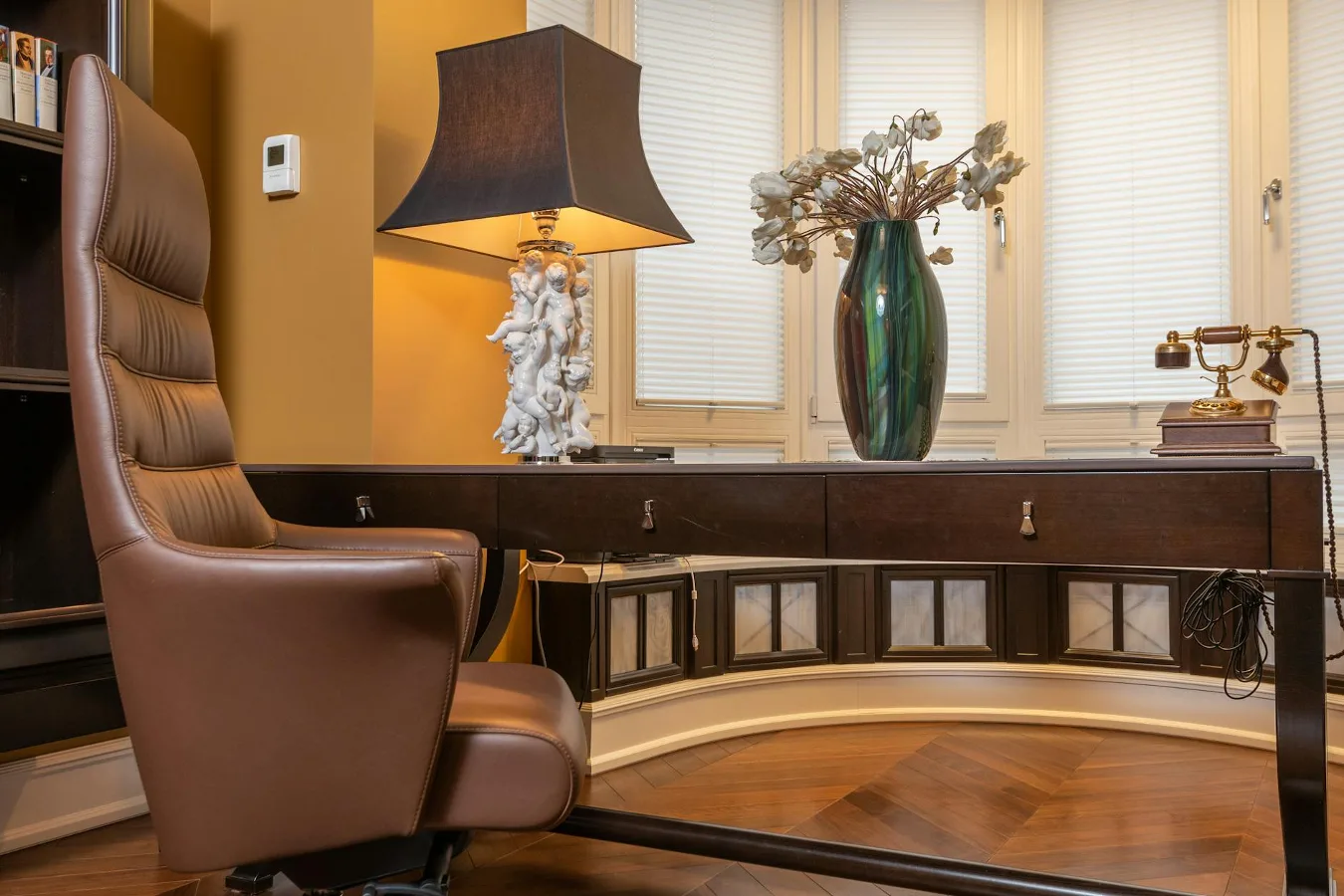
An executive leather office chair is usually the right choice when you want a seat that feels more substantial than a basic task chair and looks appropriate in a professional workspace. The best option is not simply the one with the deepest padding or the glossiest finish. It is the chair that fits your body, your desk height, and the way you actually work.
If you are shopping for one, focus on three things first: support, material quality, and fit for your space. Executive chairs can be a strong option for home offices, private offices, and meeting rooms, but they also come with trade-offs. Some are built for comfort and presentation, while others prioritize long-session support. A smart purchase starts with knowing which of those matters most for your use case. best office chairs for long work sessions offers more detail on this point.
Who an executive leather office chair suits best
This type of chair is usually a good fit for people who spend many hours at a desk and want a more polished look than a standard task chair provides. It often works well for executives, remote professionals, attorneys, consultants, managers, and anyone furnishing a home office that needs to feel both functional and professional.
It can also make sense in client-facing spaces where appearance matters. Leather has a formal, established look that blends well with wood desks, dark finishes, and traditional office layouts. That said, the visual appeal should not distract from the practical question: will the chair keep you comfortable through a normal workday?
For some buyers, an executive chair is the right answer because it combines a taller backrest, a wider seat, and a more substantial frame. For others, especially those who value fine-tuned ergonomic adjustments, a mesh or task chair may be the better fit. Executive styling and ergonomic excellence do not always come together in the same model.
The main trade-offs to weigh before you buy
Executive leather chairs bring clear advantages, but they are not ideal in every setting. Understanding the compromises helps you avoid buying based on appearance alone.
Comfort versus adjustability
Many executive chairs feel comfortable at first because of generous padding, but comfort is not the same as support. A chair can feel plush while still lacking the adjustability needed for healthy posture. If you sit for long periods, look for a chair with features that let you position the seat and back more precisely.
Common adjustments worth considering include seat height, tilt tension, recline lock, armrest height, and lumbar support. If a chair only offers basic height adjustment, it may be harder to adapt to different tasks or body types.
Appearance versus breathability
Leather creates a refined look, but it may feel warmer than mesh or fabric, especially in rooms with limited airflow or warm climates. For some users, that is a minor issue. For others, it becomes noticeable during long sessions.
If the office tends to run warm, the texture and finish of the leather matter more than many buyers expect. A smoother, sealed surface may be easier to wipe clean, but it can also feel less forgiving over time. A softer, more textured leather may feel nicer but can require more care.
Padding versus long-term support
Thick cushioning can feel appealing in the store, yet very soft foam may break down faster or create pressure points if the support underneath is weak. A well-designed executive chair should distribute weight evenly rather than simply feel cushy on day one.
One overlooked consideration is seat shape. Even premium materials cannot compensate for a seat that is too deep, too narrow, or poorly contoured for your body. A chair that looks oversized may not actually suit a smaller frame.
Leather types and what they mean in everyday use
Leather terminology matters because it affects durability, feel, and maintenance. Buyers often focus on the word “leather” without noticing that the surface material may differ greatly from one chair to another.
Full-grain and top-grain leather
These are generally associated with higher-end upholstery. They tend to offer a more natural look and can develop character over time, depending on use and care. They are often chosen for executive furniture where appearance and long-term value matter.
Practical downside: they may also require more attentive maintenance than lower-cost surfaces, and the finish can show wear patterns if the chair is used heavily or placed in a harsh environment.
Bonded leather
Bonded leather chairs are usually more affordable and can mimic the look of leather from a distance. For buyers prioritizing a formal appearance on a tighter budget, that can be appealing. The limitation is that bonded leather does not usually match the longevity or aging characteristics of higher-grade leather.
If you expect heavy daily use, this is one of the main places where budget and durability can conflict. A bonded leather chair may be acceptable for occasional use or lower-traffic spaces, but it is worth understanding that the surface may not hold up the same way as premium leather.
Faux leather and other coated materials
Some chairs use synthetic coverings that are easier to clean and more budget-friendly. These can be suitable if maintenance simplicity matters more than material authenticity. They may also be useful in spaces where spills are likely or where you want a leather-like appearance without the same upkeep.
The trade-off is that synthetic surfaces can vary widely in feel and longevity. Some age poorly, while others perform well for the price. The key is to compare the entire chair, not just the upholstery label.
Spec factors that matter more than marketing language
Many product pages emphasize “premium comfort” without explaining the actual specs that determine whether the chair will work for you. These are the details worth checking.
Seat dimensions and chair depth
Seat width and depth affect how naturally you sit. If the seat is too deep, you may have trouble using the backrest correctly. If it is too shallow, the chair may feel cramped. Buyers often overlook this because the chair appears comfortable in photos, but the real test is whether the seat supports your thighs without forcing you to sit too far forward.
A deeper seat can suit taller users, while a less deep seat may work better for smaller users or anyone who prefers a more upright posture.
Back height and upper-body support
An executive chair usually has a high back, but the actual support can vary. Some backrests are mainly decorative, while others support the upper back and shoulders more effectively. If you lean back often or take phone calls from your desk, a taller back can feel more comfortable.
For people who work with a laptop for short bursts, a high back may be less important than lumbar support and easy height adjustment. The right answer depends on how you sit through the day.
Armrest shape and placement
Armrests are often treated as a secondary feature, but they can affect shoulder tension and desk clearance. Padded armrests can improve comfort, especially during calls or reading tasks. However, armrests that are too high may push your shoulders upward, and armrests that are too wide may keep you from getting close enough to the desk.
If your desk has a modest knee opening or a pullout tray, measure carefully. A stylish chair is frustrating if it cannot slide in cleanly when not in use.
Base, casters, and floor compatibility
The chair base and casters should match the floor surface in your office. Hard floors and carpet behave differently, and the wrong wheels can make movement awkward or damage the surface over time. This is one of the most practical but under-discussed parts of chair selection.
If your office has hardwood, laminate, or tile, you may want to think about casters and floor protection together. If you have thick carpet, you may need a chair that rolls smoothly without feeling stuck.
Choosing the right chair for your workspace
The best executive leather office chair for a large private office is not always the best choice for a compact home office. Size, layout, and surrounding furniture all matter. choosing furniture for a home office setup offers more detail on this point.
For a home office
In a home office, the chair often needs to do more than one job. It may serve as your main working chair, occasional guest seating, and part of the room’s overall style. In that setting, a leather executive chair can be a strong fit if it does not overwhelm the space.
Pay attention to visual weight. A chair with a wide profile and high back can make a small room feel crowded. If the room is tight, a slimmer executive-style chair may be more practical than an oversized one.
For a traditional office
In a more formal office, visual consistency may matter nearly as much as comfort. Leather often pairs well with desk furniture, shelving, and conference tables in classic finishes. The chair should reinforce the room’s tone without becoming bulky or difficult to move.
If clients or colleagues will see the chair regularly, durability and appearance both matter. That does not mean buying the most expensive option. It means choosing a chair with a balanced look and a construction style that suits the environment.
For long daily use
If you spend many hours in the chair each day, ergonomics should take priority over style. Executive styling is nice, but it cannot make up for poor support. Look for enough adjustment to keep your feet flat, your elbows supported, and your back in a neutral position.
A useful mindset is to treat the chair as a work tool first and a design object second.
Common mistakes buyers make
People often focus on a few visible features and miss the practical details that affect satisfaction after a few weeks of use.
- Choosing by appearance alone: A chair may look premium but still lack the support or adjustability you need.
- Ignoring chair dimensions: Seat depth and back height matter more than many buyers realize.
- Overlooking desk compatibility: Armrests may not fit under the desk, which can create daily frustration.
- Assuming all leather is the same: Surface type and construction quality can change the way the chair ages.
- Buying too soft a seat: Plush cushioning can feel inviting but may not hold up for long work sessions.
One practical nuance that is easy to miss: a chair that feels comfortable for ten minutes in a showroom may behave very differently after several hours. That is why support, not just softness, should guide the decision.
Maintenance and care expectations
Leather chairs can be relatively simple to maintain, but they are not maintenance-free. Routine care helps preserve the surface and keeps the chair looking presentable in a professional setting. leather chair care and maintenance tips offers more detail on this point.
Most buyers should expect to wipe spills promptly, dust the chair regularly, and avoid exposing it to harsh sunlight or extreme heat for long periods. Strong cleaners are usually a poor idea unless the manufacturer specifically allows them.
If you want a lower-maintenance option, synthetic leather or another coated material may be easier to live with. If you prefer the look and feel of genuine leather, be prepared for more attentive care. The right choice depends on whether your priority is convenience, appearance, or long-term material character.
Reasonable alternatives if leather is not the best fit
An executive leather office chair is not the only way to create a professional workspace. Depending on your priorities, a few alternatives may actually serve you better.
- Mesh executive chairs: Better airflow and often stronger ergonomic appeal for long hours.
- Fabric executive chairs: Softer feel and more color options, though they may require different cleaning habits.
- Task chairs with high-end finishes: Good if you want ergonomics first and a less formal profile.
- Hybrid seating: Useful when you want a balance of style, breathability, and adjustability.
The right alternative depends on whether your main goal is presentation, posture support, easy upkeep, or comfort across long work sessions.
What to do before you purchase
Before you commit, compare a few chairs using the same practical checklist. That makes it easier to judge value without getting distracted by branding or upholstery language.
- Measure your desk height and the available space around it.
- Check seat depth, seat width, and back height against your body size.
- Confirm the adjustment features you will actually use every day.
- Review the upholstery type and maintenance expectations.
- Think about floor type, caster compatibility, and mobility.
- Decide whether presentation or ergonomics matters more for this room.
If possible, compare multiple executive styles rather than looking at a single model in isolation. The most satisfying purchase is usually the one that fits your body and workspace, not the one with the most impressive first impression.
Frequently asked questions
Is an executive leather office chair good for long hours?
It can be, but only if the chair offers enough support and adjustability. A padded seat alone does not guarantee comfort during a full workday.
What is the difference between an executive chair and a task chair?
An executive chair usually has a larger profile, a higher back, and a more formal look. A task chair often focuses more heavily on ergonomic adjustment and a lighter footprint.
Is bonded leather a bad choice?
Not necessarily. It can be a practical budget option, especially for lighter use. The main limitation is that it usually does not age or wear like higher-grade leather.
What size executive chair should I choose?
Choose based on your body size, desk height, and the chair’s dimensions rather than style alone. Seat depth and back height are especially important.
How do I keep a leather office chair looking good?
Use gentle cleaning, wipe spills quickly, and keep the chair away from harsh sunlight and excessive heat when possible.
Final decision framework
If you want a polished chair for a professional setting, an executive leather office chair can be an excellent choice. The best version is the one that fits your space, supports your posture, and uses a leather type that matches your expectations for care and longevity.
Start with comfort and dimensions, then compare upholstery type, adjustability, and overall build. If those factors line up, the chair is far more likely to satisfy you over time than one chosen purely for looks.