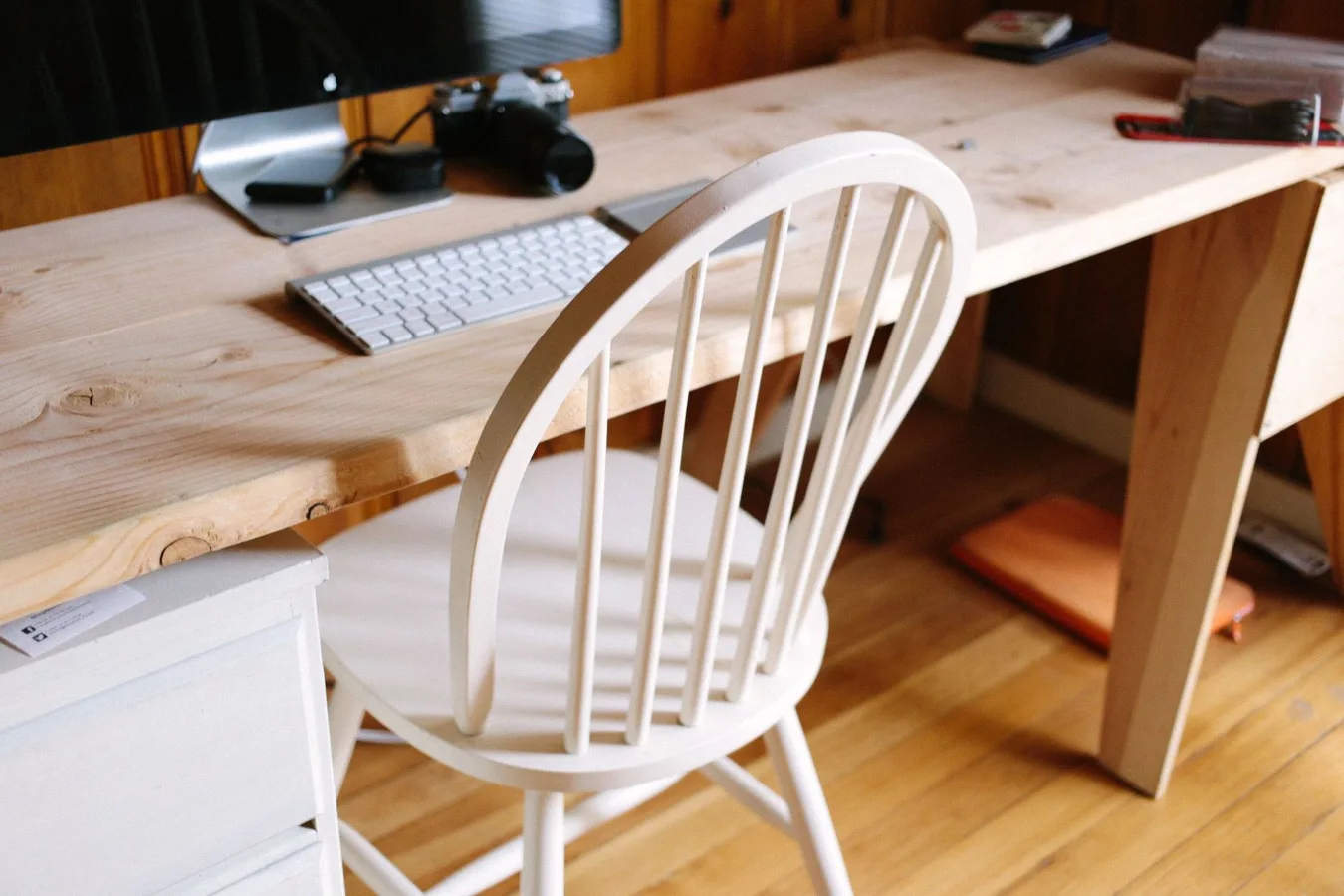
A wooden office chair makes sense if you want a workspace chair that feels more like furniture and less like a generic task seat. It can suit a home office, a study, a guest room desk, or a more design-conscious workspace, but the right choice depends on how long you sit, how much adjustment you need, and whether you want a fully wood look or a wood-and-upholstery mix. Dining Room Table and 4 Chair Sets Guide offers more detail on this point. white oak dining table offers more detail on this point.
The most common mistake is choosing for appearance alone. A wooden office chair can be comfortable, but the design needs to work with your desk height, posture habits, and daily use. If you sit for extended periods, details like seat shape, back angle, and support matter as much as the finish. desk setup basics for better posture offers more detail on this point.
What a wooden office chair is best for
A wooden office chair is usually chosen for its visual warmth, sturdiness, and ability to fit into a room that also serves other purposes. It often works well in spaces where you want the office area to blend with living room, bedroom, or library-style furniture.
This type of chair is especially appealing for people who value a more traditional, Scandinavian, mid-century, or transitional look. It can also be a practical fit when you want a chair that feels less technical than a mesh or plastic office chair.
That said, wooden office chairs are not all the same. Some are built like compact task chairs with modest support. Others are more substantial executive chairs with padded seats, arms, and a heavier frame. The intended use should guide the style you choose.
Key factors that matter most
Comfort over long sessions
Comfort is the first thing to evaluate, because wood changes the seating experience. A solid wood seat may look elegant, but it can feel firm over time unless it has a contoured shape or a cushion. For longer workdays, many buyers prefer a chair with an upholstered seat, a padded back, or at least a seat designed to reduce pressure points.
Look closely at how the backrest is shaped. A straight wooden back can suit short sessions and upright sitting, but a back that follows the curve of the spine is often easier to live with. If you tend to lean back while thinking or reading, that detail matters more than decorative style.
Adjustability and desk fit
Unlike many standard office chairs, wooden office chairs may offer limited adjustability. Some have a fixed height and fixed arms, while others include a swivel base or pneumatic lift. If your desk height is nonstandard, or if multiple people will use the chair, adjustability becomes especially important.
Check whether the seat height lets your feet rest flat on the floor and your elbows sit comfortably near desk level. If the chair is too low, you may hunch. If it is too high, your shoulders may rise and create tension. Because wooden chairs can be less adjustable, matching the chair to the desk is often more important than with a modern ergonomic chair.
Materials and construction
Wood species, frame joinery, and finish all affect how a chair feels and ages. Solid wood tends to be more durable than a thin veneer construction, though the specific build matters more than the label alone. Strong joints, stable legs, and a well-supported seat are signs of better long-term value.
Finish is another practical consideration. A smooth, sealed surface is usually easier to wipe clean, while an unfinished or lightly finished chair may need more careful care. If the chair includes fabric or leather upholstery, look at how the wood and soft materials meet, since that is often where wear starts first.
Support and posture
A wooden office chair should support your working posture rather than force you into an awkward position. For many buyers, the real question is not whether the chair is ergonomic in a marketing sense, but whether it supports the way they actually work.
Pay attention to lumbar support, seat depth, and back angle. A chair with a very deep seat can feel spacious, but it may not suit shorter users. A narrow seat can fit a small room, but it may feel restrictive if you move around a lot. These small fit issues are easy to overlook and hard to ignore after a week of use.
Mobility and floor compatibility
Some wooden office chairs have casters, while others are stationary. If you move between a keyboard, file cabinet, and printer, rolling mobility can be useful. If the chair is meant for a quiet study or a more formal room, a stationary base may be preferable.
Floor protection is worth considering early. Hard wheels can mark certain floors, and some chairs feel unstable on thick rugs. If your workspace has hardwood, laminate, or area rugs, make sure the base and casters are suitable for that surface.
Practical solutions for common buying scenarios
If you want a chair for daily work
Choose a wooden office chair that prioritizes support over ornament. A cushioned seat, shaped backrest, and stable base are usually more useful than carved details or a highly decorative profile. If possible, look for a model with at least some adjustability, even if it is limited.
For all-day use, a wood-and-upholstery design is often the safer compromise. It keeps the visual appeal of wood while softening the sitting experience. This is one of the most practical options for people who want a chair that looks at home in a room but still functions like office furniture.
If style is the main goal
If the chair will be seen as much as it is used, focus on proportion, finish, and how it relates to the rest of the room. A wooden office chair can anchor a workspace visually, especially in spaces with a natural wood desk, bookcases, or neutral textiles.
In this scenario, the trade-off is usually comfort versus design purity. A beautiful all-wood chair may suit occasional use, but if you work at the desk for hours, consider adding a seat cushion or choosing a model with more generous shaping.
If you have limited space
Smaller rooms benefit from a chair with a compact footprint, slim arms, or no arms at all. Wooden office chairs can look lighter than bulky executive chairs, especially when the frame has open lines or tapered legs. That said, compact chairs may give up some support, so make sure the seat is still comfortable enough for your use.
In tight spaces, also think about how the chair tucks under the desk. A chair that looks elegant from the side can still be awkward if it catches on the apron of the desk or protrudes too far into the room.
If you need a more formal look
Wooden office chairs work well in formal studies, client-facing home offices, and rooms that need to look composed rather than technical. Darker finishes, upholstered accents, and classic silhouettes usually feel more formal than bright wood tones or minimalist frames.
However, a formal chair is not automatically a better work chair. Some classic designs look refined but provide less flexibility. If you need both polish and practicality, look for a balanced model rather than the most ornate one available.
Trade-offs to expect
The biggest trade-off with a wooden office chair is usually comfort versus aesthetic appeal. Wood can create a refined, durable, and cohesive look, but it may not offer the same cushioning, breathability, or adjustability as a modern ergonomic chair.
Another trade-off is weight. Many wooden chairs feel sturdy, which is reassuring, but they can be heavier to move. That may not matter in a fixed office, but it matters if you frequently reconfigure your room.
Maintenance is also different. Wood needs routine care appropriate to the finish, and upholstered sections may need spot cleaning. If you want the lowest-maintenance option, a chair with simple materials and a sealed finish is usually easier to manage than one with detailed upholstery or delicate surfaces.
How to avoid common mistakes
- Buying by appearance alone: A chair that looks beautiful in photos may not suit your desk height or sitting habits.
- Ignoring seat shape: A flat, hard seat can feel acceptable for short periods and tiring over longer work sessions.
- Overlooking back support: Decorative slats and thin backs may not provide enough support for daily use.
- Forgetting floor type: Not every base or caster works well on every floor surface.
- Choosing the wrong scale: A chair can look elegant but feel cramped if the seat, arms, or back are undersized.
- Skipping finish details: The wrong finish can make the chair harder to clean or more prone to visible wear.
Wooden office chair alternatives worth considering
If you like the look of wood but need more comfort, consider a hybrid chair with a wood frame and upholstered seat and back. This gives you a softer sitting experience without losing the natural material feel.
Another option is a task chair with wood accents. It will usually offer more adjustment and better mobility, though it may look less traditional. For a design-forward workspace, a lounge-style chair paired with a good desk can work if your workflow is light and the desk is set at a comfortable height.
If your priority is posture support above all else, a fully ergonomic office chair may be the better choice. You can still bring warmth into the room through the desk, shelving, lighting, and accessories rather than relying on the chair alone.
Maintenance and care basics
Wooden office chairs are usually straightforward to maintain, but the right care depends on the finish and any upholstered parts. Dust regularly, wipe spills promptly, and avoid harsh cleaners that could dull the surface. If the chair has moving parts, check them periodically so small issues do not become noisy or unstable.
For upholstered seats, use the care guidance that matches the fabric or leather type. A wood chair with removable cushions is often easier to keep looking fresh than an all-in-one upholstered design, especially in a busy home office.
If you use the chair near a window, keep in mind that prolonged sun exposure can affect both wood tone and fabric color over time. Placement is a small detail that makes a real difference in how the chair ages.
How to decide which one is right for you
A simple way to narrow the choice is to match the chair to your work pattern:
- Choose a supportive, upholstered wood chair if you work at the desk for long stretches.
- Choose a compact wooden task chair if space is limited and your use is moderate.
- Choose a more formal wooden chair if the room doubles as a study, library, or client-facing space.
- Choose a wood-accented ergonomic chair if posture support matters more than a pure wood look.
That approach keeps the decision practical. The best wooden office chair is not the one with the richest finish or the most decorative details. It is the one that fits your room, supports your body, and stays useful after the novelty wears off.
FAQ
Are wooden office chairs comfortable?
They can be, especially if they include upholstery, a contoured seat, or a supportive back. All-wood designs are often better for shorter sessions unless they are carefully shaped.
Are wooden office chairs good for daily use?
Yes, if the chair is properly sized and supportive enough for your needs. For long workdays, look for comfort features rather than relying on the material alone.
Do wooden office chairs need more maintenance?
Usually they need different maintenance rather than more. Wood finishes should be cleaned gently, and upholstered parts may need extra care depending on the material.
What is the main drawback of a wooden office chair?
The main drawback is often limited adjustability and cushioning compared with ergonomic task chairs. That trade-off is worth considering if you sit for long periods.
Should I choose solid wood or wood veneer?
Solid wood is often preferred for durability and longevity, but overall construction matters too. A well-made veneered chair can still be a practical choice if the frame and joints are solid.