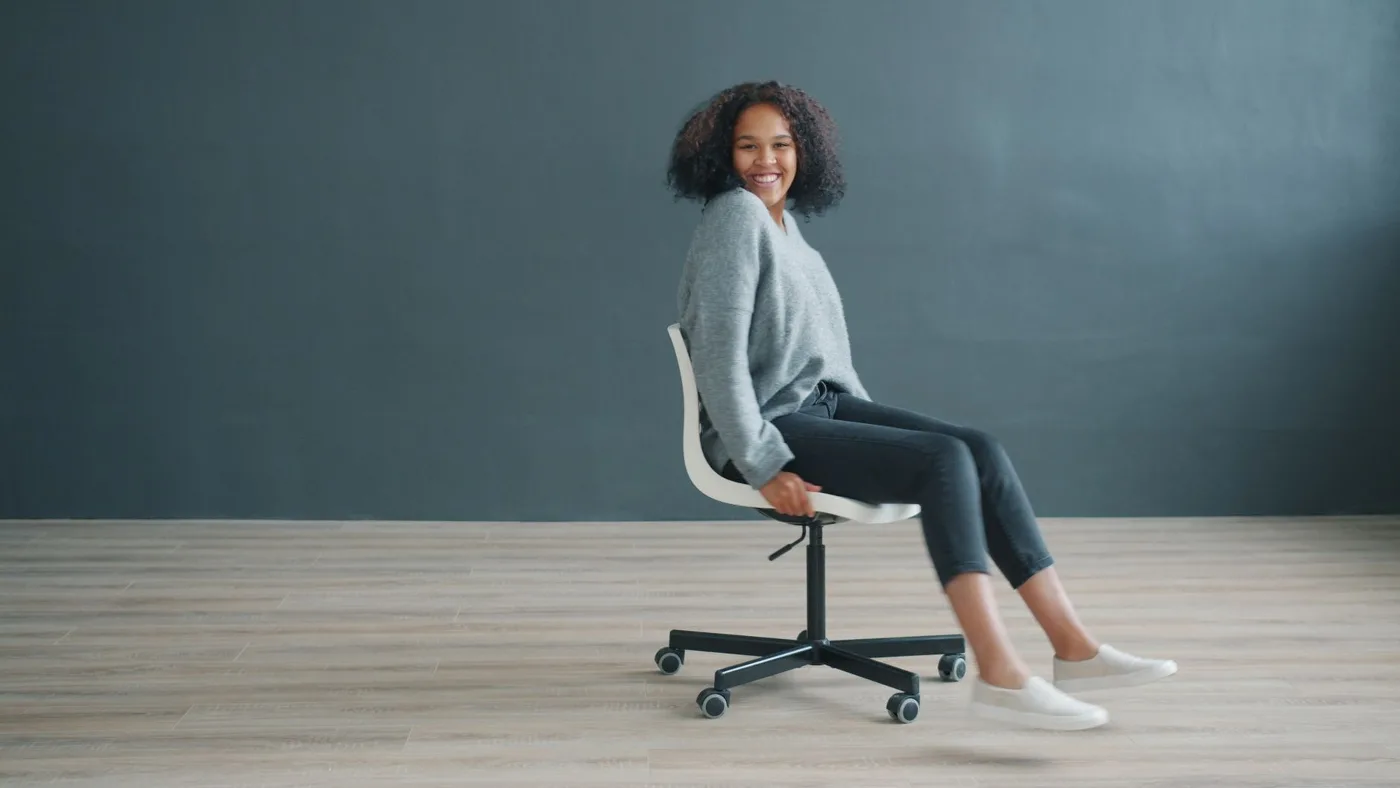
A cloth office chair is a solid choice if you want seating that feels softer than leather, usually breathes better, and fits comfortably into a home office or everyday work setup. The best option depends less on the word “cloth” itself and more on the fabric type, seat support, frame quality, and how much upkeep you are willing to handle. best chairs for home offices offers more detail on this point. wooden office chair offers more detail on this point.
If you are shopping for one, the most useful question is not simply whether the chair is cloth, but whether the upholstery, cushioning, and structure suit the way you work. A chair that feels great for short computer sessions may be disappointing for long days, and a chair that looks polished may be harder to maintain than expected.
When a cloth office chair makes sense
Cloth upholstery matters most when comfort, temperature, and day-to-day usability are priorities. Fabric can feel less sticky than vinyl or faux leather, which is helpful in warm rooms or for people who sit for extended periods. It also tends to feel more relaxed and less formal, which can fit well in home offices, creative workspaces, and multipurpose rooms.
It is also worth considering cloth if you prefer a softer surface against your skin. Some users find leather-style materials visually sharp but less forgiving during long work sessions. A fabric chair can feel more inviting, especially when paired with a supportive seat and backrest.
That said, cloth is not automatically the better material. If you expect frequent spills, want the easiest wipe-down cleaning, or need a chair for a high-traffic shared space, another upholstery type may be more practical.
What to look for before you buy
Fabric type and texture
“Cloth” is a broad label, so the actual feel can vary a lot. Some office chairs use tightly woven polyester blends, while others use more textured upholstery or performance fabrics designed to resist wear. A smoother weave may feel cleaner and more refined, while a thicker or more textured fabric can hide minor wear better over time.
Texture affects more than appearance. Rougher fabrics can feel warmer and sometimes less refined against the skin, while smoother fabrics may be easier to brush off. If possible, check close-up product photos and read material descriptions carefully rather than assuming all fabric chairs behave the same way.
Breathability
One reason many people choose a cloth office chair is airflow. Fabric generally breathes better than non-porous materials, which can make a noticeable difference during long sitting periods. Still, breathability depends on more than the cover material. Seat padding thickness, backrest construction, and whether the chair has ventilation features all affect how it feels in daily use.
A breathable chair can be especially helpful if your office runs warm, if you wear heavier clothing, or if you sit for long blocks without getting up often. If you tend to overheat easily, a fabric chair may be more comfortable than a glossy surface that traps heat.
Support matters more than upholstery
It is easy to focus on fabric first, but support should come before style. A chair can have a pleasant cloth finish and still be a poor choice if the seat foam collapses too quickly or the backrest does not support your posture. Look closely at the chair’s shape, lumbar support, armrest position, and adjustability.
For desk work, the right support usually means you can sit with your feet grounded, knees comfortably bent, and your upper back supported without having to hunch forward. If the chair forces you to compensate with your posture, the fabric will not make up for that.
Seat cushion density and shape
Many buyers underestimate the seat cushion. A cloth office chair can feel comfortable for the first ten minutes and then become tiring if the seat is too soft, too flat, or poorly shaped. Cushioning should distribute pressure without creating a sinking feeling that makes it harder to stay aligned at the desk.
Look for a seat that feels balanced rather than marshmallow-soft. Overly plush cushioning can break down sooner and may not provide enough support for longer sessions. On the other hand, a seat that is too firm can feel unforgiving if you spend most of the day sitting.
Backrest style
Cloth office chairs come in many backrest shapes, from simple task-chair profiles to more contoured ergonomic designs. A higher back can offer more support for upper-back and shoulder fatigue, while a lower or mid-back chair may suit shorter work periods or lighter use. ergonomic office chair basics offers more detail on this point.
If you work at a desk for several hours a day, a contoured backrest with reasonable lumbar support is usually more useful than a purely decorative design. If the chair looks appealing but lacks shape where your lower back needs it, you may notice the drawback quickly.
Armrests and adjustability
Armrests are not essential for everyone, but they can improve comfort if positioned correctly. Poorly placed armrests, however, can push your shoulders up or prevent the chair from sliding cleanly under a desk. Adjustable arms are often more useful than fixed ones, especially if you share a desk setup or switch between typing, writing, and video calls.
Adjustability is one of the most overlooked factors in a fabric chair purchase. Even a nice-looking seat can become annoying if the seat height, tilt, or arm position does not work with your body and desk.
Practical trade-offs to expect
A cloth office chair usually offers a better soft-touch feel and a warmer, less clinical look. The trade-off is that fabric typically needs more attention than wipe-clean surfaces. Dust, lint, pet hair, and spills can become part of everyday maintenance, especially if the chair sits in a busy room.
Another trade-off is stain visibility. Light-colored fabric can brighten a room and make the chair feel less bulky, but it may show marks more quickly. Darker fabrics can hide some wear better, though they may also collect dust and lint depending on the weave.
There is also a durability question. Fabric can hold up well when the weave and padding are made for frequent use, but a cheap upholstered chair may flatten, pill, or sag sooner than expected. That is why the quality of the frame and cushion construction matters as much as the surface material.
How to compare cloth office chairs step by step
- Start with your daily use. If you sit for short periods, comfort and style may outweigh heavy-duty construction. If you work long hours, prioritize support, seat structure, and adjustability.
- Check the fabric description. Look for the fiber content, weave type, and any note about stain resistance or performance upholstery. Avoid assuming all cloth finishes will feel or wear the same.
- Study the seat shape. A supportive seat should feel balanced, not overly soft or flat. If the product images show little contouring, read carefully for clues about comfort.
- Review the back support. Make sure the backrest shape matches the way you sit. A chair with weak lumbar support can be a poor fit even if it looks premium.
- Look at maintenance needs. Decide whether you can live with vacuuming, spot cleaning, and regular fabric care. If not, a cloth chair may not be the easiest choice.
- Consider your environment. In warm rooms, breathability matters. In pet-friendly homes, hair and snagging may matter more. In shared offices, durability and stain resistance become more important.
Examples of the right chair for different users
For a home office with long work sessions: choose a cloth office chair with a supportive back, adjustable height, and a seat that does not compress too quickly. Breathable upholstery is useful, but posture support should lead the decision.
For a small apartment or multipurpose room: a fabric chair can feel less hard-edged than a large executive-style chair. A slimmer profile may be easier to fit into the room without overwhelming the space.
For occasional computer use: comfort and appearance may matter more than advanced adjustability. A well-built upholstered task chair can be enough if you are not sitting all day.
For shared family spaces: choose fabric carefully. Darker or more durable upholstery may be easier to live with than a pale, delicate weave that shows every mark.
For pet owners: expect more routine cleaning. Cloth may trap fur more readily than smooth surfaces, so fabric choice and maintenance habits matter more than usual.
Common mistakes shoppers make
Buying on appearance alone. A nice-looking fabric chair can still be uncomfortable if the seat shape is poor or the lumbar support is weak.
Ignoring the fabric weave. Not all cloth upholstery is equally durable. Some finishes are more prone to pilling, snagging, or holding onto dust.
Choosing the softest seat available. Very plush chairs can feel comfortable at first but may not offer enough support for longer workdays.
Overlooking cleaning habits. If you want the easiest maintenance possible, cloth may not be the most convenient option.
Forgetting desk compatibility. Arm height, seat height, and chair width all need to work with your desk and leg clearance. A chair that fits the room but not the desk is a common regret.
Maintenance and care
Cloth office chairs usually benefit from simple, regular care rather than occasional deep cleaning. Vacuuming with a brush attachment can help remove dust and debris before it settles into the fibers. For spills, spot clean according to the manufacturer’s instructions rather than scrubbing aggressively, which can spread the stain or damage the fabric.
Rotation and routine care also help preserve appearance. If a chair has a removable cushion cover, that can be a helpful feature, but not all office chairs offer it. Even without removable covers, a well-kept chair will usually look better and feel fresher than one that is neglected for months.
If you live with pets, children, or frequent visitors, maintenance becomes a bigger decision factor. A cloth chair can still work well, but it should be chosen with realistic expectations about upkeep.
Alternatives worth considering
If you are not sure cloth is right for you, it helps to compare it with nearby options rather than treating it as the default.
- Mesh office chairs are often chosen for airflow and a more technical look. They can feel cooler, though some users prefer the softer feel of fabric.
- Leather or faux leather chairs are usually easier to wipe clean and can look more polished. They may feel warmer or less breathable than cloth.
- Hybrid chairs combine materials, such as mesh backs with upholstered seats, offering a compromise between comfort and ventilation.
- Task chairs with simpler upholstery may be a better fit if you want a no-frills chair for lighter use.
The right alternative depends on whether your priority is ease of cleaning, temperature control, visual style, or all-day support.
Checklist before you add one to cart
- Does the fabric look suitable for your room and level of use?
- Is the seat supportive enough for your typical workday?
- Does the backrest provide enough shape and support?
- Will the armrests fit under your desk?
- Are you comfortable with routine fabric care?
- Will the color and weave hold up visually in your space?
- Does the chair seem appropriate for long, short, or occasional use?
A cloth office chair can be an excellent buy if you want comfort, breathability, and a softer visual style. The best choices are the ones that balance fabric quality with support, maintenance, and real-world use. If you focus only on the upholstery, it is easy to miss the parts of the chair that affect comfort every day.
For most shoppers, the smartest approach is simple: choose the chair that fits your workspace, your sitting habits, and your tolerance for upkeep. Cloth is a good material, but only when the whole chair is built to make it worthwhile.