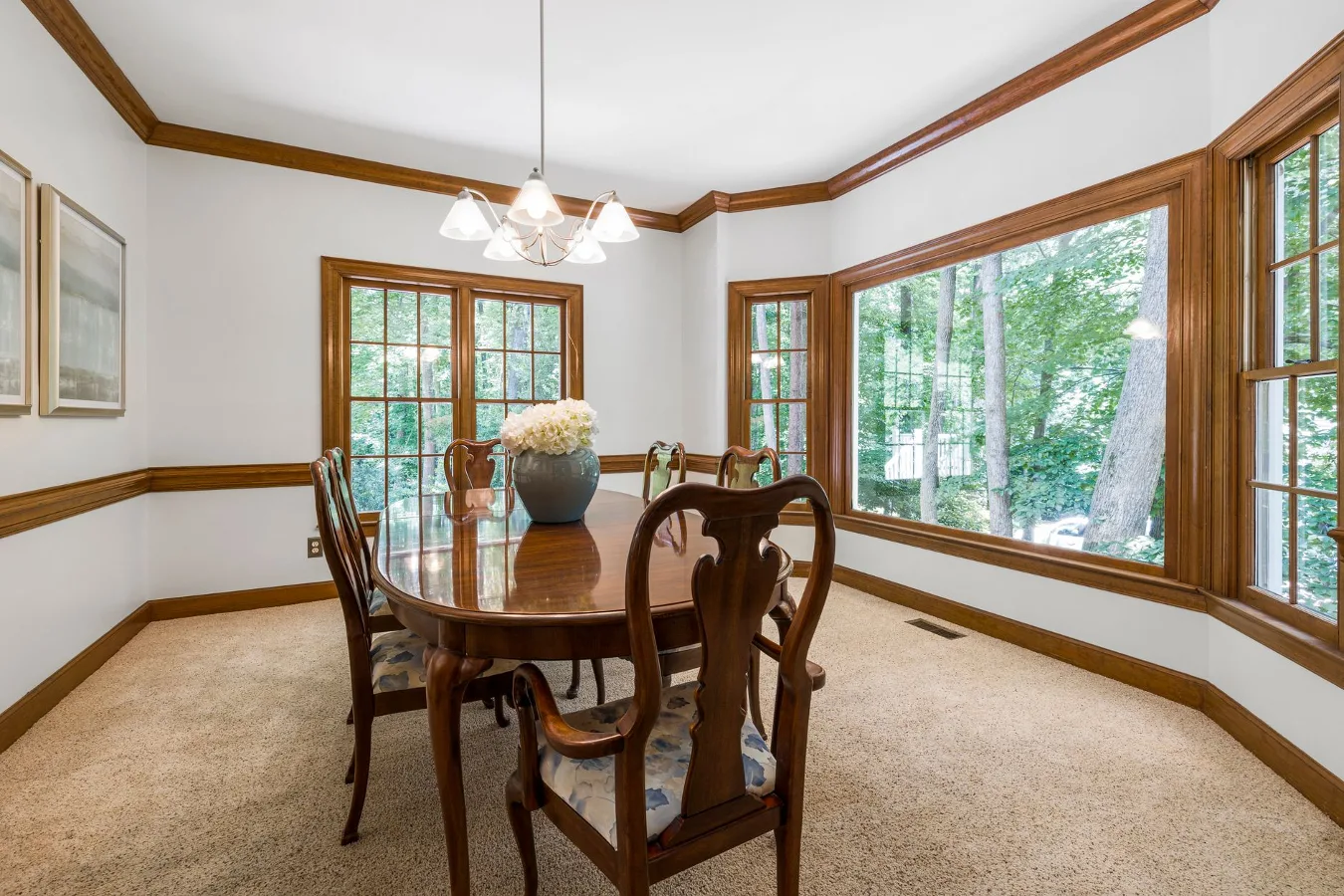
A natural wood dining table is usually the best choice for buyers who want a piece that feels warm, looks timeless, and works across changing decor styles. The main decision is not whether to choose wood, but which kind of wood table will suit your space, habits, and expectations for upkeep. light wood dining table offers more detail on this point.
For most homes, the right natural wood dining table balances appearance, durability, size, finish, and maintenance. Some buyers want a table that will age visibly and develop character. Others need something easier to wipe clean, more resistant to daily wear, or better suited to a smaller dining area. Those trade-offs matter more than the wood species alone.
What a natural wood dining table offers
A natural wood dining table is typically made from solid wood, wood with a visible natural grain, or a construction that emphasizes real wood rather than a fully synthetic surface. The appeal is straightforward: wood tends to feel more substantial and visually grounded than many other dining room materials.
Natural wood also works in a wide range of interiors. It can look formal in a traditional setting, relaxed in a farmhouse space, refined in a modern room, or casual in a family kitchen. That flexibility is one reason wood dining tables remain a common choice for households that want one table to last through different styles and life stages.
The practical side is just as important. A wood table can be easier to live with than highly polished surfaces that show fingerprints or scratches more obviously. At the same time, wood is not maintenance-free. Finish quality, surface treatment, and construction determine how forgiving the table will be in everyday use.
How to compare natural wood dining tables
Shopping for a natural wood dining table is easier when you compare tables by use-case rather than by appearance alone. The best option for a formal dining room is not always the best option for a busy kitchen or open-plan family space.
Wood species and visual character
The wood species affects both the look and the feel of the table. It also shapes how prominently grain, knots, color variation, and aging will show over time. Buyers often focus first on color, but grain pattern and hardness can matter just as much.
- Oak is often chosen for its familiar grain pattern and classic look. It can feel traditional or casual depending on the finish.
- Walnut is typically associated with a richer, darker appearance and a more refined visual style.
- Maple usually has a lighter, cleaner look that suits modern or understated spaces.
- Reclaimed wood often brings more variation, character marks, and a lived-in feel, though the appearance can be less uniform.
The right species depends on whether you want the table to stand out or blend in. A dramatic grain can become the focal point of the room. A quieter grain can make it easier to change chairs, lighting, and decor later without replacing the table.
Solid wood, veneer, and mixed construction
One of the most overlooked considerations is construction. A table can look like natural wood without being entirely solid wood. That is not automatically a problem, but it changes how the piece behaves and how it should be evaluated.
Solid wood tables are generally preferred by buyers who want long-term repairability and a more traditional feel. They can be sanded or refinished more easily than many surface-veneer options, depending on thickness and construction.
Veneer over a wood core can be a smart compromise when you want the look of wood with more controlled stability or a lower price point. Quality matters here. A well-made veneer table may outlast a poorly built solid wood table, especially if the underlying construction is stronger and the finish is better.
The key is to assess the product honestly. If the goal is an heirloom-style table, look closely at the materials and joinery. If the goal is a good-looking everyday table, a mixed construction may be the more practical choice.
Finish and day-to-day maintenance
The finish affects cleanup, sheen, and how much the table reveals after daily use. A natural finish may preserve the wood’s character better, while a more sealed surface often offers easier maintenance. Neither is universally better.
If the table will be used for family meals, homework, and casual entertaining, a finish that resists routine spills and wiping is usually more practical than one chosen purely for appearance. A very matte finish can look beautiful, but it may show marks differently than a satin or semi-gloss finish. That is not a flaw; it is simply a trade-off to understand before buying.
Buyers sometimes assume that all wood tables need the same level of care. In reality, care requirements vary widely depending on the finish, the climate, and how the table is used. A table placed near bright sun, heating vents, or heavy humidity swings may need more attention than one in a stable indoor environment.
Shape, size, and room flow
Size is often the deciding factor once the finish and style look acceptable. A beautiful table that overwhelms the room will be frustrating to use. A table that is too small may feel awkward for seating and serving.
Measure the dining area with chairs pulled out, not just the table footprint. Leave room for walking paths, buffet storage, and comfortable seating clearance. Round or oval tables can help soften circulation in smaller rooms, while rectangular tables usually work well in longer spaces and open-plan layouts. extendable tables for small spaces offers more detail on this point.
Think about how you actually dine. If you often host larger gatherings, an extendable table may be more useful than a fixed-size table. If your household is small and the dining area doubles as a workspace, a simpler table with a compact footprint may be the better fit.
Base style and leg placement
The base affects both appearance and usability. Pedestal tables can make seating easier because there are no corner legs to work around. Trestle bases can offer a grounded, architectural look and suit farmhouse or transitional interiors. Four-leg tables are common and versatile, but leg placement can interfere with seating at the corners if dimensions are tight.
This is a practical detail that many buyers overlook until the table arrives. If you use wide dining chairs, benches, or a mix of seating styles, check the clearance between the legs and the available knee room.
Where natural wood dining tables excel
There are clear reasons natural wood remains a popular material for dining rooms and kitchens.
- Versatility: Wood works with traditional, modern, rustic, Scandinavian, and transitional interiors.
- Warmth: The material softens a room that might otherwise feel hard or overly formal.
- Patina: Many buyers appreciate that wood can develop character over time rather than looking worn too quickly.
- Repair potential: Depending on construction and finish, wood can often be refreshed more easily than many synthetic surfaces.
- Style longevity: A well-chosen wood table is less likely to feel dated than trend-driven materials.
These strengths matter most for households that want the dining table to function as a daily anchor piece rather than a decorative object used only for special occasions.
Limitations to consider before buying
Natural wood dining tables are not the best fit for every buyer or every home. A realistic view of the limitations can prevent disappointment later.
Movement and sensitivity: Wood reacts to environmental changes more than many man-made surfaces. Small seasonal shifts are normal, but buyers in highly humid or very dry climates should think carefully about maintenance and placement.
Weight: Many wood tables are heavy, which can be a benefit for stability but a drawback when you need to move furniture often.
Surface marks: Scratches, water rings, and heat exposure can be more visible on some finishes than others. A table marketed as “natural” may require more thoughtful care than a fully sealed surface.
Variation: Natural grain, knots, and color differences are part of the appeal, but they may not suit buyers who want a highly uniform look.
These limitations do not make wood a worse choice. They simply mean that the right table depends on your tolerance for maintenance and visible wear.
Common mistakes shoppers make
Many dining table buyers focus too much on style images and not enough on practical fit. That leads to predictable problems.
- Choosing by color alone: A finish that looks right online may behave differently in your lighting and with your flooring.
- Ignoring chair clearance: Beautiful legs or a thick apron can make seating uncomfortable if the dimensions are not checked.
- Assuming all wood is equally durable: Species, construction, and finish all influence performance.
- Overlooking maintenance needs: Some tables need more careful cleaning and protection than buyers expect.
- Buying a table that is too large: A table that dominates the room can make daily movement awkward.
- Not considering how the table will age: A finish that hides wear poorly may look tired faster in a busy household.
A useful rule is to think about the table as a daily utility piece first and a design piece second. The best-looking option is not always the most livable option.
How to choose the right table for your home
If you are narrowing down natural wood dining tables, start with your real use pattern. That is more reliable than style preferences alone.
- For family meals and frequent use: Prioritize a durable finish, practical cleaning, and stable construction.
- For formal dining rooms: Visual refinement, grain character, and proportion may matter more than maximum durability.
- For smaller homes or apartments: Look for a shape and base that preserve movement and seating flexibility.
- For mixed-use rooms: Choose a table that can handle both dining and everyday tasks without feeling overly delicate.
- For long-term ownership: Consider whether the table can be repaired or refinished if needed.
It also helps to coordinate the table with existing elements you are not planning to replace. Flooring, cabinet finish, chair upholstery, and wall color all influence how the wood tone reads in the room.
Styling a natural wood dining table
Natural wood tables work because they are adaptable, not because they demand a single look. You can lean the room in several directions with relatively small changes.
For a relaxed look, pair the table with upholstered chairs, a simple pendant, and soft textiles. For a more tailored space, choose chairs with clean lines and keep the tabletop styling restrained. A runner, ceramic centerpiece, or low-profile vase is usually enough. Over-accessorizing can hide the wood grain, which is often the main visual strength of the table itself.
One practical nuance: darker tables can make a room feel more grounded, but they may also make dust and crumbs more noticeable. Lighter tables can brighten a room, but they may show stains differently depending on finish. Styling decisions should account for daily maintenance, not just the catalog look.
Alternatives worth considering
Natural wood is a strong default, but it is not the only sensible option.
Wood veneer tables can be a good alternative for buyers who want a lighter or more budget-conscious option with a wood appearance. The quality of the core and finish matters more than the label alone.
Stone or stone-look tables can suit buyers who want a more formal, sculptural feel, though they often change the atmosphere of the room and may feel colder in everyday use.
Metal-and-wood tables can work well in industrial or transitional interiors, especially when you want a visually lighter base.
If the goal is a welcoming dining space with broad styling flexibility, a natural wood dining table still remains one of the most adaptable choices. If your priorities lean strongly toward low-maintenance surfaces or a highly contemporary aesthetic, another material may fit better.
What to look for before you buy
Before you commit, check the product details with a practical eye. Focus on the elements that affect ownership, not just appearance.
- Material description and whether the table is solid wood, veneer, or mixed construction
- Wood species and visible grain variation
- Finish type and cleaning recommendations
- Overall dimensions and seating capacity that fit your room
- Base design and leg clearance
- Assembly requirements and whether the piece is likely to be difficult to move
- Care instructions, especially around moisture and heat
If the listing is vague, treat that as a caution sign. Clear material and construction details are especially important for a purchase meant to last.
A well-chosen natural wood dining table should make the room more usable, not just more attractive. The strongest options are the ones that fit the space, suit the household’s habits, and age in a way you can live with. That is the real test, and it is usually more useful than chasing the trendiest wood tone or the most dramatic shape. dining room table shape guide offers more detail on this point.