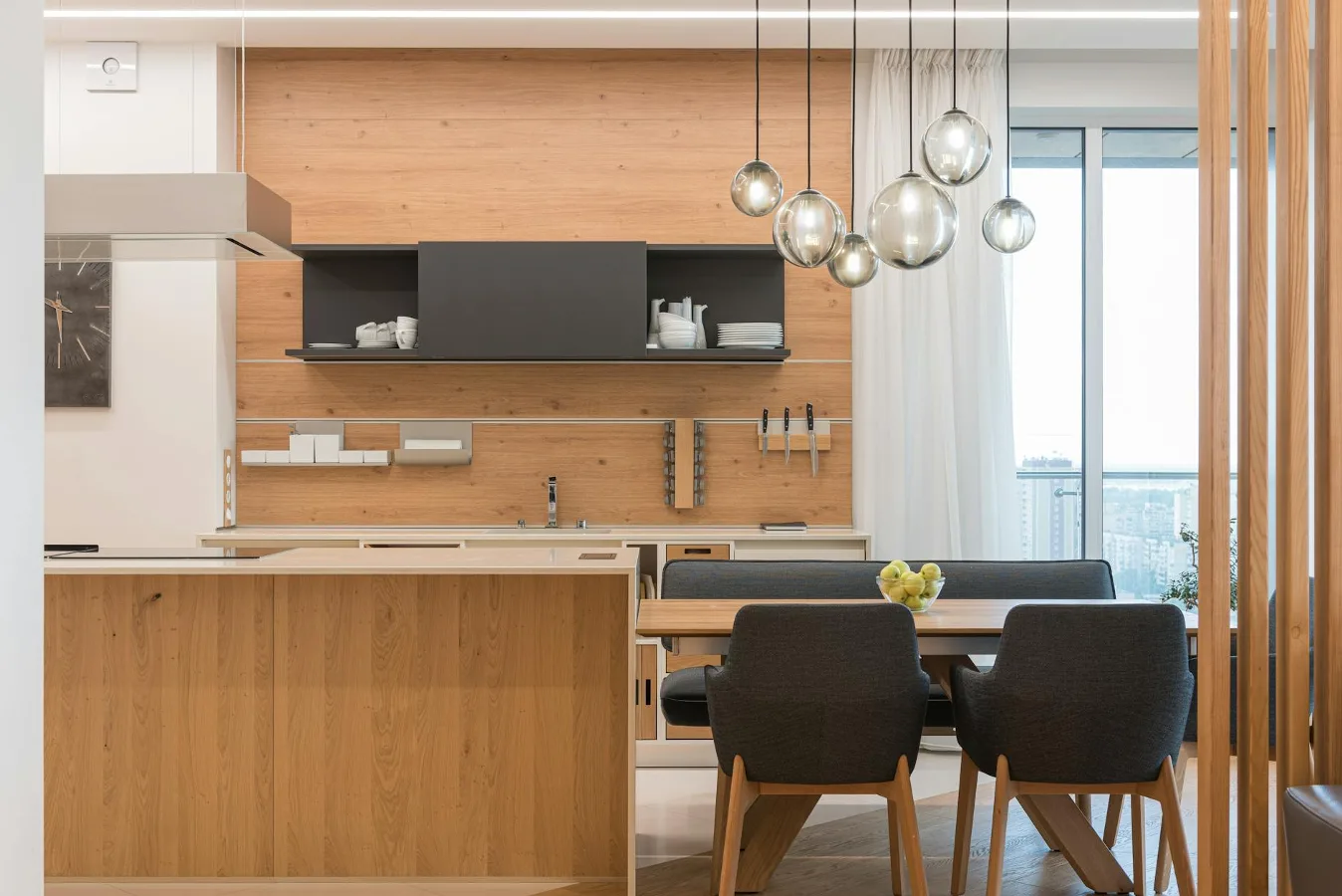
A light wood dining table is a practical choice for shoppers who want a dining room to feel brighter, softer, and less visually heavy. It works especially well in modern, Scandinavian, coastal, and relaxed transitional interiors, but the real value comes from how adaptable it can be across different room sizes and styles. how to style a neutral dining room offers more detail on this point. modern dining room furniture ideas offers more detail on this point.
The best option is not just about color. Wood species, finish, shape, surface durability, and table scale all matter. A light finish can hide some everyday wear better than a dark glossy surface, but it can also show stains, scratches, or water rings more clearly if the finish is fragile. That trade-off is worth thinking through before choosing a style purely for looks. care tips for everyday wood furniture offers more detail on this point.
What to look for first
If you are shopping for a light wood dining table, start with how the table will be used. A table for weeknight family meals has different needs than one used mostly for occasional entertaining. The most useful decision factors are size, shape, surface finish, and construction.
For most buyers, the best light wood dining table balances three things: visual lightness, everyday durability, and a scale that fits the room without crowding chairs or walkways. Once those basics are right, the style details become easier to narrow down.
How light wood changes the feel of a dining room
Light wood tends to reflect more light than darker finishes, which can make a dining area feel less closed in. That is one reason it is so popular in apartments, open-plan homes, and rooms with limited natural light. It also pairs easily with white, cream, black, soft gray, muted green, and warm earth tones.
Another advantage is flexibility. A light wood table can lean casual with woven chairs and textured rugs, or more refined with upholstered seating and simple pendant lighting. That versatility makes it easier to update the room later without replacing the whole table.
Still, a lighter finish is not a universal fix. In a room with lots of pale surfaces already, the table can disappear visually unless you add contrast through chairs, lighting, or a rug. In other spaces, the same table can be the anchor that keeps the room from feeling too dark or too formal.
Wood types and finish matter more than the color alone
Many shoppers focus on the phrase “light wood” without looking closely at the material underneath. That can lead to disappointment. A table may look pale in photos, but the way it wears depends heavily on whether it is solid wood, wood veneer, or another engineered construction with a wood-look finish.
Solid wood
Solid wood is often the first choice for buyers who want longevity and the option to refinish later. It can be a strong long-term value, but it may also move slightly with humidity and temperature changes. If you live in a climate with noticeable seasonal shifts, that is worth keeping in mind.
Wood veneer
Veneer can be a smart option when you want the look of natural wood with a more controlled price point or lighter structure. Quality varies widely, though. A well-made veneer table can be durable, but it is usually less forgiving than solid wood if the surface gets deeply damaged.
Engineered or mixed-material tables
Some light wood tables use engineered cores with wood finishes or combine wood tops with metal bases. These can offer stability and a contemporary look, but the quality of the topcoat and edge detailing matters. If the finish is thin or the edges are weak, wear can show earlier than expected.
Shape and size: the practical part many buyers underestimate
The right finish means little if the table is awkward for the room. Size and shape affect movement, seating comfort, and how the dining area functions day to day.
Rectangular tables work well in longer rooms and are usually the safest option for seating more people without making the layout feel cramped. They also suit open-plan spaces because they create a clear visual line.
Round tables can feel softer and more intimate. They are often a strong choice for smaller dining areas because they reduce sharp corners and make conversation easier. The drawback is that they may seat fewer people comfortably than a rectangular table of similar footprint.
Oval tables offer a middle ground. They soften the look of a rectangular layout while preserving a more flexible seating arrangement. That can be useful if you want the room to feel less rigid.
Extendable tables deserve special attention if you host guests occasionally but do not want a large table occupying the room every day. The trade-off is that extension mechanisms and leaf storage add complexity, so it is worth checking how smoothly the table opens and whether the style still looks balanced when extended.
One overlooked consideration is chair clearance. A dining table can be the right length on paper and still feel wrong if there is not enough room to pull out chairs comfortably. Buyers often measure the tabletop and forget the space needed around it.
Finish, upkeep, and how the table will age
Light wood can be forgiving in some ways and unforgiving in others. A matte or satin finish often feels more relaxed and can hide minor fingerprints better than a high-gloss surface. At the same time, a soft finish may need more careful cleaning and occasional attention to preserve the look.
If the table will be used for everyday meals, look for a finish that stands up to routine wiping without feeling overly delicate. Families with children may prefer a surface that handles spills and frequent cleaning more easily, even if it sacrifices a little visual softness.
It also helps to think about how aging will look. Some buyers want patina and small signs of use to add character. Others prefer a table that stays visually crisp. Light wood often shows both beauty and wear clearly, so the finish should match your tolerance for visible change.
Style matching: where light wood works best
Light wood dining tables are popular because they bridge multiple decorating styles without feeling overly trend-driven. They can support a relaxed Scandinavian look with simple lines and pale upholstery. They also fit coastal interiors, especially when paired with linen, rattan, and soft blue accents.
In modern spaces, a light wood top with a clean metal base can keep the room from feeling sterile. In more traditional homes, a softer profile and visible grain can make the table feel less formal than darker polished woods.
If your home mixes styles, light wood can be especially useful. It usually reads as neutral without becoming bland, which makes it easier to blend with different chair styles or decorative changes over time.
Common mistakes to avoid
- Choosing by color alone. A beautiful light finish does not guarantee a durable or practical table.
- Ignoring the finish type. Matte, satin, sealed, and oil-treated surfaces behave differently in daily use.
- Buying the wrong size. A table that is too large can make the room difficult to use, while one that is too small can feel temporary or underwhelming.
- Overlooking chair compatibility. Armrests, seat height, and leg placement can all affect comfort.
- Assuming all light wood looks the same. Oak, ash, birch, and engineered finishes can read very differently in person.
- Forgetting about lighting. Natural and artificial light can shift the tone of the wood significantly.
Light wood dining table vs darker wood and painted options
| Option | Best for | Main advantage | Possible drawback |
|---|---|---|---|
| Light wood | Bright, flexible, relaxed dining rooms | Feels open and adaptable | Can show wear if the finish is delicate |
| Darker wood | Formal or high-contrast interiors | Creates visual weight and depth | Can make smaller rooms feel heavier |
| Painted table | Decorative or color-focused spaces | Strong stylistic expression | Chips and touch-ups may be more noticeable |
This comparison is less about which option is “better” and more about how you want the room to function. Light wood is usually the easiest choice if you want a balanced table that does not dominate the space.
Who a light wood dining table suits best
A light wood dining table is often a strong fit for buyers who want a calm, welcoming dining room and do not want the table to feel overly formal. It is also a good match for people furnishing smaller rooms, open-plan layouts, or spaces that need one adaptable piece to anchor changing decor.
It may be less ideal if you want a dramatic statement piece, a very high-contrast look, or a table with a finish that can hide heavy daily wear. In those cases, a darker wood, stone-look surface, or painted finish may be easier to live with stylistically.
If your priority is a table that supports everyday life while keeping the room visually light, this category is worth serious consideration. The key is to look past the finish color and evaluate the material, build quality, and size as a complete package.
Practical shopping checklist
- Measure the room with chair clearance in mind.
- Decide whether you need fixed or extendable seating.
- Check the material under the finish, not just the surface color.
- Match the table shape to the room layout.
- Choose a finish that fits your cleaning routine and tolerance for wear.
- Think about how the table will look with your chairs, rug, and lighting.
A well-chosen light wood dining table can stay relevant through several decor updates because it is easy to pair and easy to live with. The best options are not necessarily the most decorative ones; they are the tables that feel proportionate, durable enough for your routine, and visually comfortable in the space you actually have.