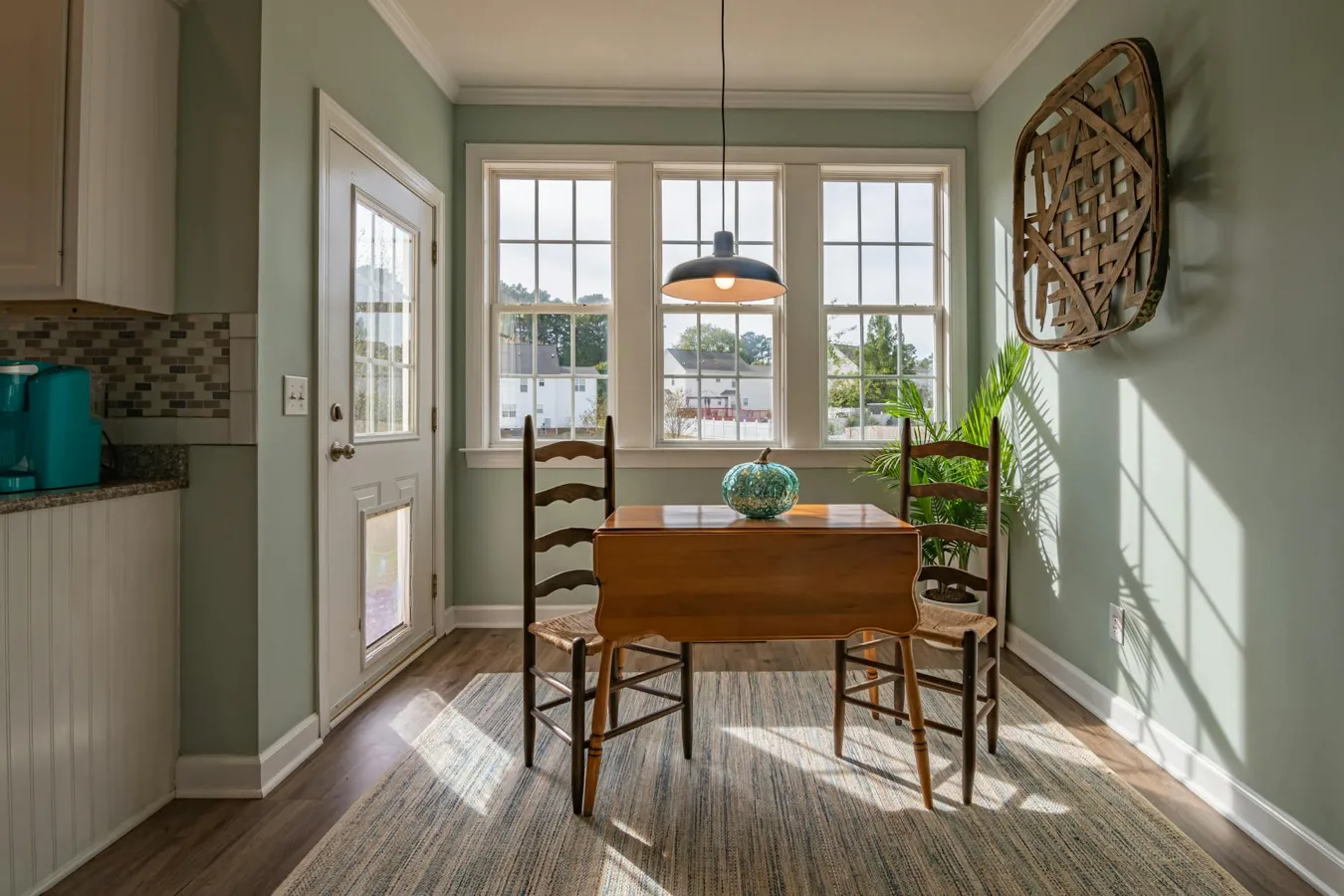
A dining room table with leaf is a practical choice if you want one table that can handle weekday meals and still expand for holidays, dinner parties, or family gatherings. The leaf is the extra section that extends the tabletop, giving you more seating without replacing the table itself. butterfly leaf dining table offers more detail on this point.
If you are comparing options, the main decision is not just style. It is how the extension works, how the table fits your room when closed and expanded, and whether the material and shape suit the way you actually use the space.
Quick answer: what to look for first
Start with three questions: how many people you seat most days, how often you need extra space, and how much clearance your room has when the table is fully extended. Those answers will narrow the field faster than finish color or decorative details.
For most buyers, the best dining room table with leaf is the one that stays comfortable in its everyday size and still opens up without making the room feel cramped. A table that expands well but overwhelms the room is not a good fit, even if it looks impressive in the showroom.
The most useful comparison points are the extension style, table shape, material, and whether the leaf is easy to store and install. Those factors affect convenience far more than a catalog photo can show.
How dining room tables with leaf compare
Not all extension tables solve the same problem. Some are designed for occasional guests, while others are built to change size often. The right option depends on how much flexibility you need and how much effort you want to put into setup.
Drop leaf tables
A drop leaf table has hinged sections on one or both sides that fold down when not in use. This makes it useful for smaller rooms or apartments where floor space matters. It is a strong option if you want the table to feel compact most of the time. space-saving furniture for apartments offers more detail on this point.
The trade-off is that a drop leaf style may not provide the same formal look or full-size stability as a heavier extension table. It is often best for casual dining, breakfast areas, or multipurpose rooms.
Tables with removable leaves
These tables use one or more separate leaf panels that are inserted into the center or ends of the tabletop. They are common in dining rooms because they can create a more traditional look while still offering flexibility.
The main consideration is storage. If the leaf does not self-store inside the table, you need a safe place to keep it flat and protected. That may sound minor, but storage is one of the most overlooked parts of choosing an extendable table. extendable table styles offers more detail on this point.
Butterfly leaf tables
A butterfly leaf folds and stores inside the table itself, which makes setup easier and reduces the risk of misplacing the extra panel. This is a convenient choice if you expect to extend the table often.
The mechanism adds convenience, but it can also add weight or complexity. If you want a table that feels simple and low-maintenance, check whether the extension hardware is smooth and manageable for one person or requires two.
Self-storing extension tables
Self-storing tables are especially appealing for households that want flexibility without managing separate parts. They keep the leaf protected and ready for use, which is helpful in busy homes.
That said, self-storing mechanisms can influence the table’s leg placement, under-table clearance, and overall weight. If your dining chairs have arms or if you need generous knee room, make sure the extension design does not create a bottleneck.
What matters most before you buy
The best dining room table with leaf should fit your room both open and closed. That sounds obvious, but buyers often focus on the extended length and forget the day-to-day footprint. Measure the space with chairs pulled out, not just the table itself.
Room clearance is especially important if the table sits near a wall, buffet, walkway, or open kitchen path. A table that technically fits may still feel awkward if guests cannot move around it comfortably.
Shape and seating flexibility
Rectangular tables are the most common choice for extension designs because they adapt well to longer seating arrangements. They are a natural fit for formal dining rooms and larger households.
Round tables with a leaf can work well in smaller rooms because they feel less boxy when closed. When extended, they often become oval, which softens the look and can help the room feel less rigid. This is a useful option if you want a friendlier, more conversational layout.
Square tables with leaves are less common but can suit compact spaces. The key question is whether the shape matches the way people move through the room and sit together. Shape affects traffic flow as much as seating count.
Material and long-term use
Solid wood, veneer, laminate, and mixed-material tables each bring different strengths. Solid wood often offers a classic feel and strong repair potential, but it can be heavier and may require more care. Veneer can deliver a polished look at a lower weight or cost, though edge damage can be more noticeable if the table is used heavily.
Laminate or other engineered surfaces are often easier to wipe clean and may suit families who want low maintenance. The trade-off is that they may not offer the same refined appearance or long-term refinish potential as wood.
If you expect frequent use, consider how the finish handles spills, hot dishes, and everyday abrasion. A dining table is a working surface, not just a display piece.
Extension mechanism and ease of use
Some extension tables are simple enough for one person to open, while others are much easier with two people. That matters more than buyers expect. A table that is inconvenient to extend may end up staying closed most of the time.
Check how the leaf aligns with the main tabletop, whether the surface feels level when expanded, and whether the mechanism appears sturdy. Smooth operation is not a luxury feature; it is part of the table’s usefulness.
Leg placement and chair comfort
Leg design can affect how many chairs actually fit. Trestle bases, pedestal bases, and four-leg tables each create different seating experiences. A table may list a generous seating number, but if the legs interfere with chair placement, that number may not feel realistic in everyday use.
This is one of the more practical nuances shoppers overlook. A table that looks spacious from across the room can still feel cramped at knee level. Always think about where your chairs will land when the table is extended.
Best use cases for a dining room table with leaf
Extension tables are not only for formal entertaining. They are often the most sensible option for households that want one dining surface to serve several purposes.
- Small homes and apartments: Keep the table compact most of the time, then expand it for guests.
- Family dining rooms: Add seats for birthdays, homework nights, or larger dinners.
- Open-concept layouts: Choose a table that anchors the room without overpowering the space.
- Holiday entertaining: Increase capacity without bringing in a separate folding table.
- Multi-use rooms: Make room for crafts, remote work, or game nights when needed.
If your dining area rarely changes and you always need the same number of seats, a fixed-size table may be simpler. A leaf adds value only if you will actually use it or appreciate the flexibility.
Common mistakes to avoid
Many shoppers choose a dining room table with leaf based on the expanded size alone. That is one of the easiest ways to end up with a table that feels too large for daily life.
Buying for maximum seating instead of everyday comfort
It is tempting to focus on the largest possible configuration. But if the table feels oversized when closed, the room may look crowded and the chairs may be hard to use. Daily comfort should come first.
Ignoring leaf storage
Some leaves store inside the table, while others do not. If the leaf is separate, you need to protect it from warping, scratches, and damage. Storage is a real part of ownership, not an afterthought.
Forgetting about chair fit
Chairs with arms, wide seats, or thick upholstery can reduce usable seating around an extension table. Before buying, consider how the chairs will fit both with and without the leaf installed.
Overlooking room clearance
A common misconception is that if the table fits in the room, everything is fine. In practice, you need space for chairs to move back, people to pass behind them, and serving dishes to circulate comfortably.
Choosing a finish that does not match real use
High-gloss or delicate finishes can look beautiful, but they may show wear more quickly in busy households. A family that eats, works, and crafts at the table may benefit from a more forgiving surface.
Practical ways to compare options
If you are narrowing down choices, compare tables using the same criteria every time. That keeps style from distracting you from the features that actually matter.
| Comparison factor | Why it matters | What to check |
|---|---|---|
| Closed size | Determines daily footprint | Fits the room with chairs in place |
| Extended size | Determines guest capacity | Allows comfortable circulation |
| Leaf type | Affects convenience | Drop leaf, removable, butterfly, or self-storing |
| Base design | Influences legroom | Trestle, pedestal, or four-leg layout |
| Surface material | Affects care and durability | Solid wood, veneer, laminate, or mixed materials |
| Setup effort | Determines how often you will use the extension | One-person or two-person operation |
This kind of side-by-side comparison is especially useful if you are shopping online, where the table may look similar across several listings. The details that matter are often hidden in the specifications.
Style considerations that affect the final choice
The extension mechanism should work with your room’s overall style, not against it. A dining room table with leaf can look traditional, transitional, rustic, modern, or farmhouse depending on the base, finish, and edge profile.
For a formal dining room, a rectangular wood table with a refined edge and matching chairs usually feels cohesive. For a more casual space, a round or oval extension table may feel lighter and more welcoming. In an open-plan home, a simpler silhouette often blends more easily with nearby kitchen or living room furniture.
Another useful distinction is visual weight. A thick tabletop and heavy base can make a room feel grounded, but they can also feel bulky in a smaller dining area. If your room is compact, a table with slimmer lines may be a better choice even if it seats fewer people.
Maintenance and care considerations
A table with a leaf needs care just like any other dining surface, but the extension parts deserve special attention. Keep removable leaves flat, dry, and protected from direct moisture or excessive heat. If the table uses a hinge or slide mechanism, check that it stays clean and free of crumbs or debris.
For wood or veneer tables, use coasters, placemats, and trivets to reduce surface wear. If the leaf is stored separately, handle it carefully during installation so the finish does not chip at the edges. Small alignment issues can become more noticeable over time if the table is assembled roughly.
Routine cleaning is straightforward, but the real maintenance question is long-term handling. A table that is easy to open, close, and store will usually stay in better condition because people are less likely to force the mechanism.
Alternatives if a leaf is not the best fit
A dining room table with leaf is flexible, but it is not the only answer. If your space or habits are different, another option may work better.
- Fixed-size dining table: Best if you always need the same seating and want less setup.
- Drop-leaf console table: Useful in very small spaces where the table must disappear when not in use.
- Counter-height table: Can work well in casual spaces, though it changes chair height and room feel.
- Folding dining table: Practical for temporary use, but usually less polished for everyday dining.
Choosing the simplest correct option is often smarter than choosing the most flexible one. Extra features help only when they solve a real problem.
FAQ
What is a dining room table with leaf?
It is a table that includes an extra section, called a leaf, which extends the tabletop to create more seating or surface area when needed.
Are tables with leaves good for small dining rooms?
Yes, especially if the table is compact in its everyday size. A drop-leaf or self-storing extension table can be useful when floor space is limited.
Do leaf tables need special storage?
Some do. If the leaf does not store inside the table, you will need a flat, protected place to keep it when it is not in use.
Is a butterfly leaf better than a removable leaf?
It depends on how often you plan to use the extension. A butterfly leaf is usually more convenient, while a removable leaf may suit buyers who want a more traditional table design.
How do I know if the table will fit when extended?
Measure the room with the table in its open size and leave enough clearance for chairs and walking space. Do not rely only on the closed dimensions.
A dining room table with leaf is most valuable when it solves a real space or seating problem. If you compare the extension type, size, material, and leg layout carefully, you can choose a table that works well every day and still adapts when guests arrive.