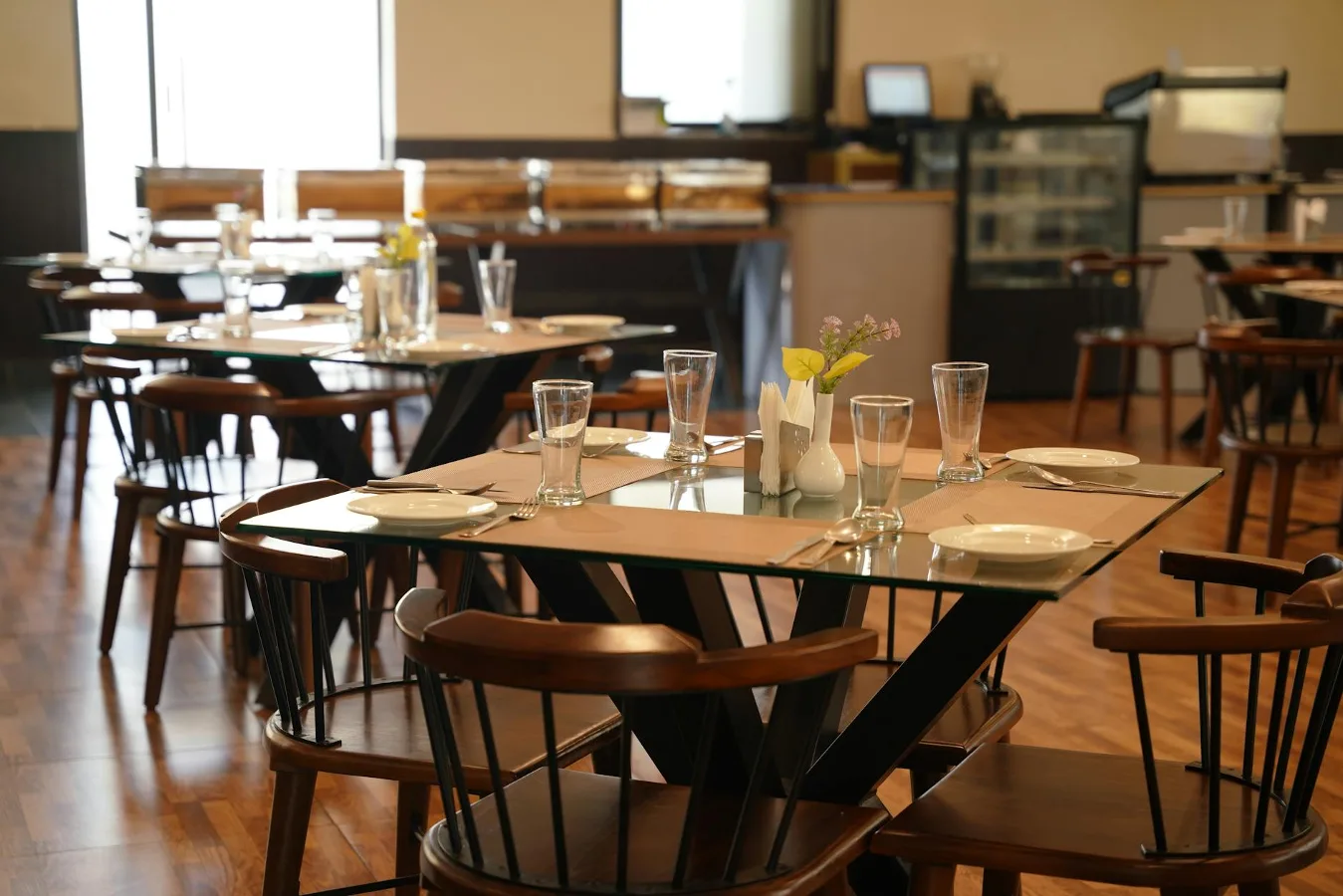
Why choose a dining table with glass?
A dining table with glass is usually chosen for one simple reason: it changes how a room feels. Glass reflects light, softens visual bulk, and can make a dining area look more open than a solid wood or fully upholstered table would. That makes it especially appealing in apartments, smaller dining rooms, open-plan layouts, and spaces where you want the table to feel lighter rather than dominant. Concrete Dining Table Buying Guide offers more detail on this point.
But the appeal is not only visual. Glass dining tables also come in a wide range of base styles, from clean-lined metal frames to sculptural wood pedestal bases. That flexibility gives buyers room to balance practicality with design. The trade-off is that glass requires more thought about fingerprints, smudges, edge safety, and how the table will be used day to day. glass-top dining table styles offers more detail on this point.
If you are comparing dining tables with glass, the best choice is rarely the most decorative one. It is the table that fits your room size, seating needs, cleaning habits, and lifestyle without creating extra friction.
What matters most before you buy
The right glass dining table depends on a few core factors. These are the ones that usually matter most in real homes.
1. Table shape and room layout
Shape affects both comfort and circulation. A round glass dining table can feel easier to move around in tighter spaces and tends to support casual conversation. A rectangular glass dining table usually works better in longer rooms and can seat more people in a defined layout. Oval versions soften the look of a rectangular room while keeping a similar seating footprint.
Think beyond the table itself. Measure the room with chairs pulled out, not just pushed in. A glass top may look visually light, but it still needs comfortable clearance around it. In smaller spaces, that practical constraint matters more than the visual effect.
2. Base material and support design
The base often determines whether a glass table feels refined, stable, or awkward. Common base materials include wood, metal, and sometimes stone or mixed materials. Each creates a different balance of style and maintenance.
- Wood bases add warmth and help a glass top feel less cold or stark.
- Metal bases often suit modern and industrial interiors and can visually echo the clean edge of glass.
- Pedestal bases can make it easier to fit chairs around the table, though the shape of the pedestal affects legroom.
A common misconception is that a glass table is only about the top. In practice, the base is what determines everyday usefulness. A beautiful top on a poorly designed base can feel unstable or awkward to sit around.
3. Glass type and edge treatment
Not all glass dining tables feel the same. Clear glass is the most familiar because it keeps the room visually open. Frosted or smoked glass can reduce the starkness of a fully transparent top and may hide smudges a little better. Tinted glass can also help the table feel more intentional in a modern room.
Edge treatment matters too. Smooth, finished edges are important for comfort and safety, especially in family homes or spaces with frequent movement. When comparing options, look for details that reduce the chance of sharp contact and make the table more pleasant to use daily. easy-care furniture for busy homes offers more detail on this point.
4. Seating comfort and chair pairing
Because the top is transparent, the base and chairs become more visible. That can be a design advantage, but it also means proportions matter more than they do with solid tables. Chunky chairs can overwhelm a slender glass table, while delicate chairs may look underpowered beside a heavy base.
Check the space under the table carefully. Chair arms, seat height, and table apron or base design all influence whether the arrangement feels comfortable. A table that looks ideal online may be less practical if the structure interferes with legroom.
5. Daily maintenance expectations
Glass is easy to wipe down, but it is also easier to show fingerprints, water spots, dust, and streaks. That is the main maintenance trade-off. Some buyers like the quick-clean routine; others find the need for frequent touch-ups annoying.
If you prefer a table that always looks perfectly finished with minimal effort, glass may not be the easiest option. If you do not mind a quick wipe after meals and occasional polishing, it can be a very manageable surface.
Where glass dining tables work especially well
Dining tables with glass are not ideal for every household, but they do solve specific problems well.
- Small dining areas: The transparency helps reduce visual crowding.
- Open-plan rooms: Glass can separate the dining zone without making it feel closed off.
- Contemporary interiors: It suits clean, minimal, and modern design styles naturally.
- Mixed-material spaces: Glass pairs easily with wood, metal, leather, and upholstered seating.
- Rooms with limited light: Reflective surfaces can help a space feel brighter.
One overlooked benefit is how well glass works in a room with strong architectural features. If your space already has statement flooring, a bold rug, or a dramatic light fixture, a glass table may support the room without competing with it.
Where glass may be the wrong fit
Glass is not automatically the best choice just because it looks elegant. There are a few real-world constraints to weigh before committing.
Busy households and frequent use
If your dining table also functions as a homework station, craft area, or general drop zone, the surface may be more exposed to scratches, clutter, and constant cleaning. Glass can handle normal dining use, but it tends to reveal everyday wear more quickly than some other materials.
Homes with young children or heavy activity
Families with young children often prefer materials that feel more forgiving. While modern glass tables can be made with safety-minded construction, the hard surface and visible edges are still part of the experience. If the room sees rough handling, a wood or laminate table may feel less demanding.
Long-term visual upkeep
Some buyers are surprised by how much maintenance is needed to keep glass looking calm and polished. The table may still function perfectly even when it has smudges, but its visual appeal can drop quickly if it is not cleaned regularly. That is less about durability and more about presentation.
How to compare options without overcomplicating it
A good buying decision comes down to matching the table to the room and the way you live, not just the photo in the listing.
Start with the room, not the product
Measure the dining area, then think about traffic flow, chair movement, and nearby furniture. A glass table can help a tight room feel less crowded, but it will not solve poor proportions. If the room already feels narrow, a top that is too large or a base that is too bulky can still create congestion.
Choose a shape that supports the way you dine
Round tables encourage conversation and work well when space is limited. Rectangular tables are usually better for formal layouts or larger households. Oval tables are a good compromise if you want softer edges without losing length.
Match the table to your cleaning habits
If you do not mind wiping surfaces frequently, clear glass can be a practical option. If you want a surface that hides light dust or fingerprints a bit better, smoked or frosted glass may be worth considering. The more transparent the top, the more visible daily marks become.
Look closely at the base
The base affects stability, legroom, and style. A table can look airy and modern while still being sturdy, but only if the support design is thoughtful. Avoid focusing only on the glass thickness or finish and ignoring how the base distributes weight and accommodates chairs.
Think about chair style early
Dining chairs are part of the purchase decision, not an afterthought. A glass table often looks best with chairs that complement, rather than fight, the base. Upholstered chairs can soften the overall look, while molded, wood, or metal chairs can keep the room visually crisp.
Style directions that work well
Glass is versatile, but some design combinations are more effective than others.
Glass and wood
This combination brings balance. Wood warms up the coolness of glass and helps the table feel grounded. It is a strong choice for transitional interiors, contemporary homes that still want warmth, and dining rooms that need a less sterile look.
Glass and metal
Metal bases support a clean, modern profile and often suit minimalist or industrial-style rooms. This pairing can feel sleek and architectural, though it may read cooler than wood. If the room already has hard surfaces, adding a rug or upholstered chairs can make it feel more welcoming.
Clear glass with a statement base
Clear tops are especially useful when the base is meant to be seen. Sculptural legs or a pedestal form can become a design feature rather than a hidden support. This works well if you want the table to feel like part of the room’s decor.
Frosted or smoked glass for a softer look
These finishes can reduce the starkness of a fully transparent top. They are worth considering if clear glass feels too exposed or if you want the table to read as a little more substantial without becoming visually heavy.
Common mistakes to avoid
Some problems are easy to prevent once you know what to look for.
- Buying by appearance alone: A table can look elegant online and still be wrong for the room size or seating plan.
- Ignoring the base footprint: Bulky supports can reduce legroom and make the table harder to use comfortably.
- Overlooking cleaning habits: If you dislike fingerprints or dust, glass may become frustrating fast.
- Forgetting chair compatibility: The right chairs should fit under the table and work visually with the base.
- Choosing a style that clashes with the room: A very sleek glass table may feel out of place in a rustic or heavily traditional setting unless balanced carefully.
Another common misconception is that glass is automatically fragile in everyday use. What matters more is the overall construction, support, and how the table is treated. Still, a glass top is not the most forgiving surface for hard impacts, which is why careful placement and routine handling matter.
Practical alternatives if glass is close but not quite right
If you like the light visual effect of glass but want a different balance of durability or maintenance, a few alternatives are worth considering.
- Wood dining tables: More forgiving visually and often better for homes that use the table heavily.
- Stone-look or solid-surface tables: Can offer a refined look with less showing of fingerprints.
- Laminate dining tables: Useful when easy care and budget matter more than a decorative centerpiece.
- Mixed-material tables: A wood top with glass accents, or a glass insert with a solid frame, can provide a middle ground.
These alternatives matter because the best choice is not always the most stylish one. It is the one that makes the room work with the least effort over time.
How to decide with confidence
If you are leaning toward dining tables with glass, start with three questions: How much visual lightness do you want, how often will the table be used, and how much upkeep are you comfortable with? Those answers usually narrow the field quickly.
Choose glass if you want a table that feels open, modern, and flexible in a range of interiors. Choose a different material if you need a more forgiving surface, lower visual maintenance, or a table that will take heavy everyday use without much attention.
The best glass dining table is one that supports the room instead of dominating it. When shape, base, and upkeep line up with your lifestyle, the table becomes an asset rather than something you have to manage around.