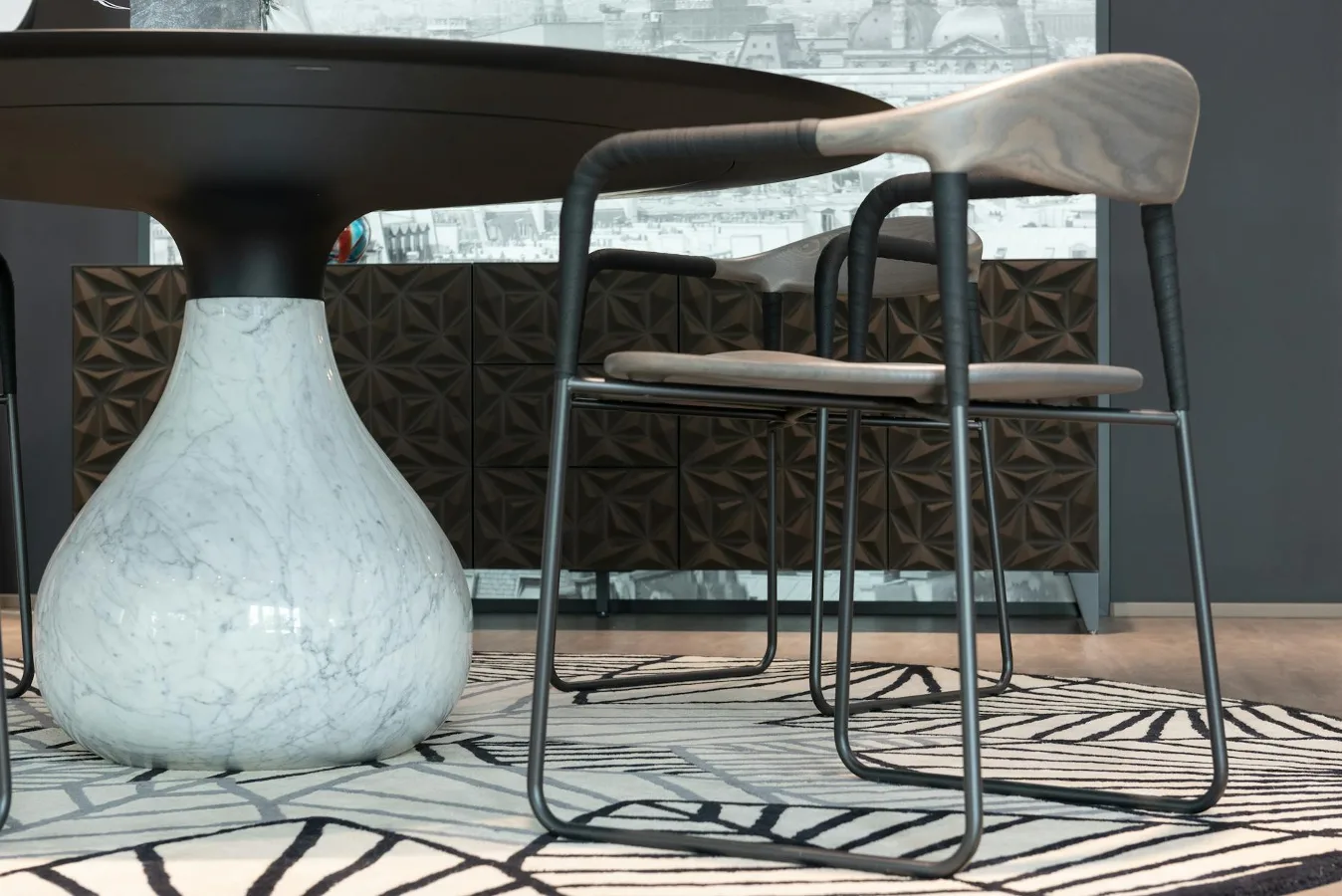
A marble table and dining chairs work best as a pairing when the table, chairs, and room all feel proportionate. The right combination depends on more than style: you also need to think about chair height, comfort, traffic flow, surface care, and how formal you want the room to feel. how to care for marble surfaces offers more detail on this point. best seating options for small dining rooms offers more detail on this point.
If you are comparing options for a dining room, the first decision is usually the table shape and size. After that, the chair material, silhouette, and upholstery determine whether the set feels elegant, practical, or too delicate for everyday use.
Quick answer: what makes a good marble table and dining chairs pairing?
The best pairing is one that balances visual weight with everyday function. Marble brings a strong, polished look, so the chairs usually need to either soften that effect with fabric and curves or sharpen it with clean lines and lighter materials. A successful combination also leaves enough clearance for guests to sit comfortably and move around the table without crowding.
For many homes, the safest approach is a marble dining table paired with chairs that are comfortable, easy to clean, and visually lighter than the table itself. Upholstered dining chairs can make the room feel warmer, while wood or metal chairs can keep the space from looking overly formal. The right answer depends on how often the table will be used and by whom.
How to compare marble table and dining chairs options
Because marble has a distinct presence, chair selection matters more than it does with some other table materials. A set can look beautiful in a showroom and still feel awkward in a real dining room if the proportions are off or the materials fight each other.
1. Scale and proportion
Marble table tops often read as heavy and substantial, so chairs need to match that visual weight without overwhelming the room. Thin, delicate chairs may look lost beside a solid stone surface, while bulky chairs can make the dining area feel crowded. The goal is to keep the table and chairs in the same design conversation.
Round marble tables usually work well with chairs that have gentler lines, since the shape already softens the room. Rectangular tables tend to suit more structured chairs, especially if the room itself has clean architectural lines. In both cases, the negative space around the set matters just as much as the furniture itself.
2. Seat comfort
Dining chairs are not just decorative. If people linger over meals, work at the table, or host guests often, comfort becomes a priority. A marble table can set a formal tone, but the chairs should still support longer sitting periods.
Upholstered seats are often the most comfortable option, though they require more care. Wooden chairs are easier to wipe down but may need cushions for longer gatherings. Metal chairs can be practical and visually crisp, but without a shaped seat or padding they may feel less forgiving.
3. Material balance
Marble pairs well with several chair materials, but each changes the mood of the room. Wood brings warmth and helps the space feel grounded. Metal can make the arrangement more contemporary. Upholstery adds softness and makes the table less visually stark.
A common misconception is that a marble table must be matched with equally luxurious chairs. In practice, contrast often works better than sameness. A stone top with simple oak chairs can feel more thoughtful than a room filled with heavy, ornate pieces.
4. Maintenance and daily use
Marble surfaces need more care than many dining table alternatives, especially in homes where spills, acidic foods, or frequent use are part of daily life. That makes chair choice important too, because the easier the chairs are to move, clean, and maintain, the easier the whole setup is to live with.
If the table will be used for children, casual meals, or entertaining that runs long into the evening, consider chairs with wipeable fabric, removable cushions, or finishes that resist visible wear. A beautiful dining set that is inconvenient to maintain often stops being beautiful in real use.
5. The overall style of the room
The room should guide the pairing, not just the furniture catalog. A marble table can lean modern, transitional, classic, or glamorous depending on the base and finish. Chairs should echo that direction without making the space feel overdesigned.
For a formal dining room, upholstered chairs with tailored backs can reinforce the elegance of the stone top. For a more relaxed space, simpler wood chairs or mixed seating can make the room feel less precious. In compact homes, lighter frames and slimmer silhouettes usually work better because they preserve visual openness. mixing wood and stone in furniture offers more detail on this point.
Pairing ideas by style and use
There is no single correct match for a marble dining table. The best choice depends on how you want the room to function and what kind of atmosphere you want to create.
| Marble table look | Chair styles that tend to work | What the pairing communicates |
|---|---|---|
| White marble with a simple base | Wood, upholstered, or molded chairs | Clean, versatile, easy to style |
| Dark marble with a substantial base | Streamlined upholstered or metal-framed chairs | Dramatic, tailored, formal |
| Round marble table | Curved-back chairs, slim upholstered chairs | Soft, conversational, balanced |
| Rectangular marble table | Structured wood chairs, mixed-material chairs | Architectural, composed, grounded |
These combinations are starting points, not rules. A room with a lot of texture, for example, may benefit from cleaner chairs so the marble does not compete with too many other surfaces. A minimal room may need more visual warmth from fabric or wood.
For everyday family dining
Prioritize comfort, wipeability, and chairs that are easy to slide in and out. A marble table can work well in family spaces if the chairs are practical and the room is not too formal to live in. The more frequently the table is used, the more important it becomes to choose materials that tolerate real life.
For entertaining
If the table will host guests, the best chairs are the ones that encourage people to stay seated. Slightly cushioned chairs, supportive backs, and a balanced table-to-chair height relationship can make the setting feel more generous. This is where marble shines visually, but only if the seating keeps pace.
For small dining rooms
Smaller spaces benefit from chairs with open bases, narrower profiles, and lighter finishes. Even a beautiful marble table can feel overpowering if the surrounding chairs are too dark or too bulky. In compact rooms, the visual footprint of the chairs is almost as important as the table itself.
Mistakes to avoid when choosing marble table and dining chairs
The most common mistakes are less about taste and more about fit. A dining room often looks fine on paper but feels wrong once the pieces are in place.
- Choosing chairs that are too low or too high for the table, which affects comfort and makes the set feel awkward.
- Matching everything too literally, which can make the room feel flat instead of layered.
- Ignoring chair depth and arm height, especially if you plan to tuck chairs fully under the table.
- Overlooking maintenance needs, particularly if the table is marble and the chairs are upholstered.
- Using oversized chairs in a tight room, which reduces movement and makes the table feel larger than it is.
- Buying for appearance alone, then discovering the chairs are uncomfortable for actual meals.
An overlooked consideration is how often chairs will be moved around the table. Marble is visually heavy, so pairing it with chairs that are hard to shift can make the room feel less flexible. Lightweight chairs can improve daily usability, even if they look simpler.
Trade-offs to think about before you buy
A marble table offers a distinctive look and a sense of permanence, but that comes with practical trade-offs. It may feel less casual than wood, and depending on the finish and stone type, it may require more care to keep looking its best. That does not make it a bad choice; it just means the chairs should support the lifestyle you actually have.
Upholstered dining chairs bring comfort and softness, but they are less forgiving around spills. Wooden chairs are easier to maintain, but they may not feel as inviting for long dinners. Metal chairs can be sturdy and visually sharp, but they can also make the room feel cooler if there is not enough texture elsewhere.
If you want a dining area that can handle daily use with minimal fuss, consider whether a marble table is best as a central statement piece rather than the only premium element in the room. Sometimes the smartest move is to let the table carry the visual drama while the chairs stay practical and understated.
Alternatives if marble feels too demanding
If you like the look of marble but want something easier to live with, there are other directions worth considering. Stone-look surfaces, marble-effect finishes, and tables that mix stone with wood or metal can deliver a similar style without committing the room to a fully stone-heavy look.
You can also shift the balance by choosing a more understated table and using chairs with richer materials or stronger silhouettes. That approach often works better in multifunctional homes, where the dining area needs to feel welcoming rather than formal.
Styling tips that make the set feel finished
A marble table and dining chairs usually benefit from a restrained styling approach. Because the table already has a strong presence, too many decorative objects can make the surface feel crowded.
- Use one focal centerpiece rather than several competing items.
- Repeat one material or color from the chairs elsewhere in the room.
- Balance the coolness of stone with a rug, drapery, or textured wall finish.
- Keep chair styles consistent unless you are intentionally mixing them.
- Choose lighting that complements the table’s scale instead of visually shrinking it.
A marble dining table rarely needs much decoration to feel complete. The better strategy is to give the chairs and surrounding room enough texture so the stone does not dominate every visual plane.
What to decide first
If you are narrowing down options, start with use case rather than aesthetics. Decide whether the room is formal or casual, how often it will be used, and how much maintenance you are willing to accept. Then choose chair material and silhouette based on those answers.
For many buyers, the most practical sequence is this: choose the table shape, confirm the room has enough clearance, decide on chair comfort level, and then refine the look. That order reduces the chance of buying pieces that look coordinated but do not work together in daily life.
A marble table and dining chairs can create a room that feels elevated without being fussy, but only if the pairing respects proportion, comfort, and maintenance. Treat the table as the anchor and the chairs as the part that determines whether the room truly works.