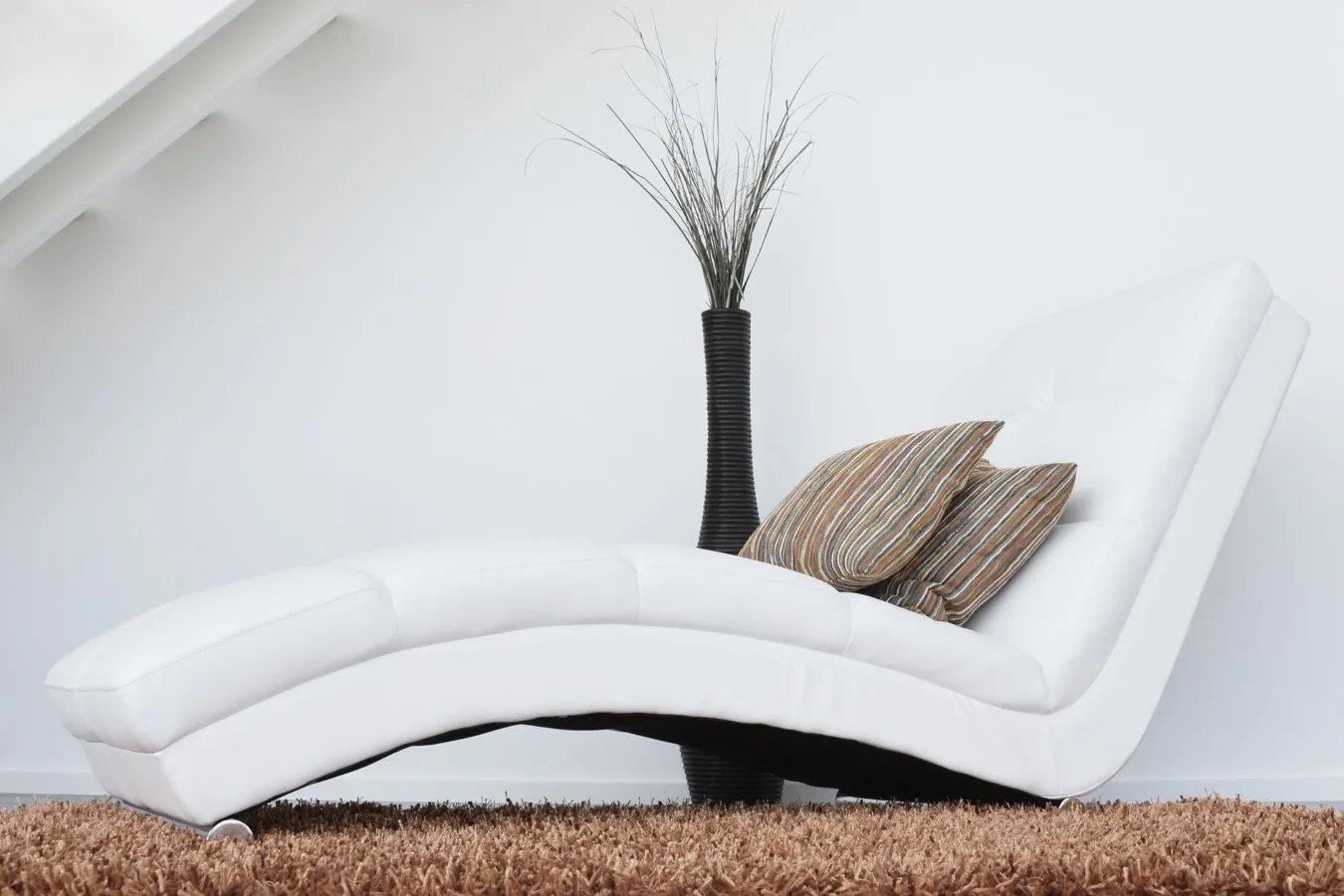
What an ergonomic chaise lounge chair is best for
An ergonomic chaise lounge chair is designed for relaxed reclining with better support than a purely decorative chaise. For most buyers, the goal is not medical-grade posture correction; it is a chair that lets you stretch out comfortably without feeling collapsed, unsupported, or forced into one awkward position. ergonomic sewing chair offers more detail on this point.
This makes it a strong choice for reading corners, bedroom seating, quiet living rooms, and spaces where you want a place to rest your legs without committing to a full recliner. The best versions balance body support, seat depth, back angle, and material feel so the chair works for real daily use instead of only looking good in a room.
If you are shopping for one, the key question is simple: will this chaise fit your body, your room, and the way you actually relax?
Buyer scenario: who should consider one
An ergonomic chaise lounge chair makes the most sense if you want a relaxed seat that still feels structured. It is especially useful for people who enjoy reading, watching television, scrolling on a tablet, or taking a short rest without lying fully flat.
It can also be a practical option if you want an accent piece that does more than decorate a corner. Compared with a standard accent chair, a chaise gives your legs room to extend, which can feel less restrictive over longer sitting sessions. Compared with a sofa, it can create a personal zone that is easier to place in smaller rooms.
That said, it is not the best fit for everyone. If you need very upright support for desk work, a traditional office chair or task chair is usually more appropriate. If you want a seat that multiple people can use at once, a loveseat or sofa may be the better investment. A chaise is most compelling when one person wants comfort, stretch, and a clear sense of personal space.
The comfort details that matter most
The term ergonomic can mean different things depending on the design, so it helps to look past the label and focus on the parts that affect how the chair actually feels.
Back angle and support
The back angle is one of the most important comfort factors. A chaise that is too flat may feel more like a decorative lounge piece than a usable seat. One that is too upright may not deliver the relaxed feel people expect from a chaise.
Look for a backrest or raised section that supports the upper body without forcing the shoulders forward. If the design includes a bolster pillow or built-in lumbar area, that can help reduce the feeling of sinking too deeply into the seat.
Seat depth and leg position
Seat depth affects whether your body feels cradled or stretched in an awkward way. A chaise with enough length to support your legs is useful, but the proportions still need to suit your height. If the seat is overly long for your body, you may end up perched rather than relaxed. If it is too short, your legs may hang off the end without support.
This is one reason some shoppers overlook fit. A chaise can look luxurious in a photo and still feel wrong in use if the proportions do not match the person sitting in it.
Firmness versus softness
Plush seating often looks inviting, but softness alone does not equal comfort. For extended lounging, a seat that is too soft may let your body sink unevenly, which can become tiring. A moderately firm seat often provides better support, especially if the chair will be used frequently.
The right balance depends on personal preference and body type. Some users prefer a cushioned feel for occasional lounging, while others want a more supportive surface that keeps them from slumping.
Trade-offs to expect before you buy
An ergonomic chaise lounge chair offers a nice middle ground between a sofa and a recliner, but that middle ground comes with trade-offs.
- It usually favors one user. A chaise is a personal comfort piece, not shared seating.
- It may take more floor space than an accent chair. The elongated shape can be harder to place in tight rooms.
- It may not offer full adjustability. Many chaises have a fixed angle, so you are choosing a set comfort profile rather than a customizable one.
- It can be visually dominant. Even a compact chaise can change the balance of a room.
A common misconception is that any chaise labeled ergonomic will automatically feel supportive for long sitting. In practice, ergonomics depends on proportions, cushioning, and how the chair interacts with your body. The label should be treated as a starting point, not a guarantee.
Material and build factors to compare
For a chaise lounge chair, materials influence comfort, care, and long-term value just as much as the shape does.
Frame and structure
A stable internal frame helps the chaise maintain its shape over time. If the frame flexes too much, the chair may feel less supportive and wear unevenly. You do not need a deep technical breakdown to make a smart choice, but you should look for signs of solid construction and a design that appears built for regular use, not just occasional styling.
Cushion fill
Cushion fill affects both comfort and durability. Softer fills can feel inviting at first, while denser fills often hold their shape better. The best choice depends on whether you prioritize a sink-in feel or more consistent support across repeated use.
If possible, compare how the seat cushion and back support work together. A chaise with a very soft seat and no meaningful back structure may look luxurious but feel tiring after a while.
Upholstery
Upholstery choice should match the room and your maintenance tolerance. Fabric can feel warm and approachable, but some fabrics are easier to keep clean than others. Leather or faux leather may be simpler to wipe down, though each has its own look and care needs. Textured upholstery can add visual depth, but it may also trap debris more easily than a smoother surface.
For households with pets, children, or frequent everyday use, easy-care upholstery matters as much as color. A beautiful chair that requires too much upkeep may end up underused.
Base and feet
The base influences stability and the way the chaise sits on the floor. Low-profile legs can create a lighter visual feel, while a heavier base can make the piece seem more grounded. If the chair will sit on hardwood or delicate flooring, consider whether the feet need protection.
How to choose the right size for your room and body
One of the most practical mistakes people make is focusing on appearance before measurements. A chaise is long, and its footprint can be deceptive in product photos. how to measure before buying furniture offers more detail on this point.
Start with the space itself. Measure the area where the chaise will go, including the clearance needed to walk around it and open nearby doors or drawers. Then think about how the chair will be oriented. A left-arm or right-arm configuration can make a major difference in how naturally it fits into a room layout.
Next, compare the sitting position to your body. If the chair is meant for reading or screen time, your feet, shoulders, and lower back should all feel reasonably supported. A chaise that is too short, too deep, or too narrow can be uncomfortable even if it looks elegant.
It also helps to consider the visual scale of the room. In a small bedroom, a streamlined chaise can add a lounge area without overwhelming the space. In a larger living room, a more substantial silhouette may help the piece feel intentional rather than lost.
Use-case guidance: where an ergonomic chaise works best
The best chaise for comfort depends on where and how it will be used.
- Reading nook: Look for supportive cushioning, a comfortable back angle, and enough length to extend your legs.
- Bedroom seating: Prioritize a compact footprint and upholstery that complements the room without adding visual clutter.
- Living room accent seating: Choose a design that balances comfort with visual presence so it works both as furniture and as part of the room layout.
- Quiet relaxation area: A more plush option may be fine if you use it for shorter periods and want a softer feel.
A practical nuance: the best chaise for short breaks is not always the best chaise for long reading sessions. Short rests can tolerate softer, more relaxed designs. Longer sessions usually benefit from better support and less sinking.
Common mistakes buyers make
Several mistakes come up repeatedly with lounge seating, and most are easy to avoid once you know what to watch for.
- Choosing only by appearance. A chaise can look sophisticated and still feel awkward.
- Ignoring the room layout. An oversized piece can crowd a walkway or make the room feel unbalanced.
- Overlooking upholstery care. A hard-to-clean fabric can become frustrating in everyday use.
- Expecting adjustability that is not there. Many chaises are fixed-position pieces.
- Assuming soft equals ergonomic. Support matters more than initial plushness.
Another overlooked consideration is how the chaise will feel after several sessions, not just during the first five minutes. Comfort that fades quickly is often a sign the proportions or support do not suit the user.
Alternatives worth considering
If you like the idea of a chaise but are not fully convinced, a few alternatives may fit better.
- Recliner: Better if you want adjustable positioning and more pronounced support features.
- Accent chair with ottoman: More flexible if you want separate pieces that can be rearranged.
- Daybed or loveseat: Better for shared use or more versatile lounging.
- Floor seating or modular lounge pieces: Useful if you prefer a lower, softer, more adaptable setup.
These alternatives are not automatically superior; they simply solve different comfort problems. A chaise makes sense when you want a defined lounging position and a polished furniture look in one piece.
What to do before you finalize a purchase
Before buying, compare the chair against three questions: does it fit the room, does it fit the body, and does it fit the maintenance level you are willing to manage?
If the answer is yes to all three, you are likely looking at a sensible choice. If the chair only succeeds on style, keep looking. The best ergonomic chaise lounge chair should support how you relax, not just how the room photographs.
It also helps to review return policies and delivery details, especially for larger furniture. A chaise can be difficult to reposition once it arrives, so a little planning up front can prevent a lot of inconvenience later.
FAQ
Is an ergonomic chaise lounge chair good for back support?
It can be, but support depends on the chair’s shape, cushion firmness, and back angle. A well-designed chaise may feel more supportive than a purely decorative lounge piece, but it will not necessarily match the posture support of a task chair.
What size chaise lounge chair should I get?
Choose a size based on both your room measurements and your body proportions. The chair should allow comfortable leg support without making the seat feel too deep or too short for your frame.
Is fabric or leather better for a chaise lounge?
Neither is universally better. Fabric often feels softer and more casual, while leather or faux leather may be easier to wipe clean. The best choice depends on your room style, usage habits, and care preferences.
Can a chaise lounge replace a recliner?
Sometimes, but not always. A chaise can work well if you want relaxed lounging and a more streamlined look. If you need adjustable positions or more explicit support features, a recliner may be the better fit.
What should I prioritize if I only use it occasionally?
If use is occasional, prioritize fit, visual harmony, and easy placement in the room. You may be able to choose a softer or more style-driven option, as long as it still feels comfortable for the times you do use it.
Next steps
Start by narrowing the space, then compare shape, support, and upholstery with your actual routine in mind. For a comfort-focused home setup, the best ergonomic chaise lounge chair is the one that feels natural to sit in, fits the room without crowding it, and does not create extra maintenance headaches. space planning for a lounge chair offers more detail on this point.
If you are comparing several models, use the same checklist for each one: support, seat depth, material care, footprint, and fit with the room layout. That approach makes the decision easier and keeps the focus on long-term comfort rather than surface appeal.