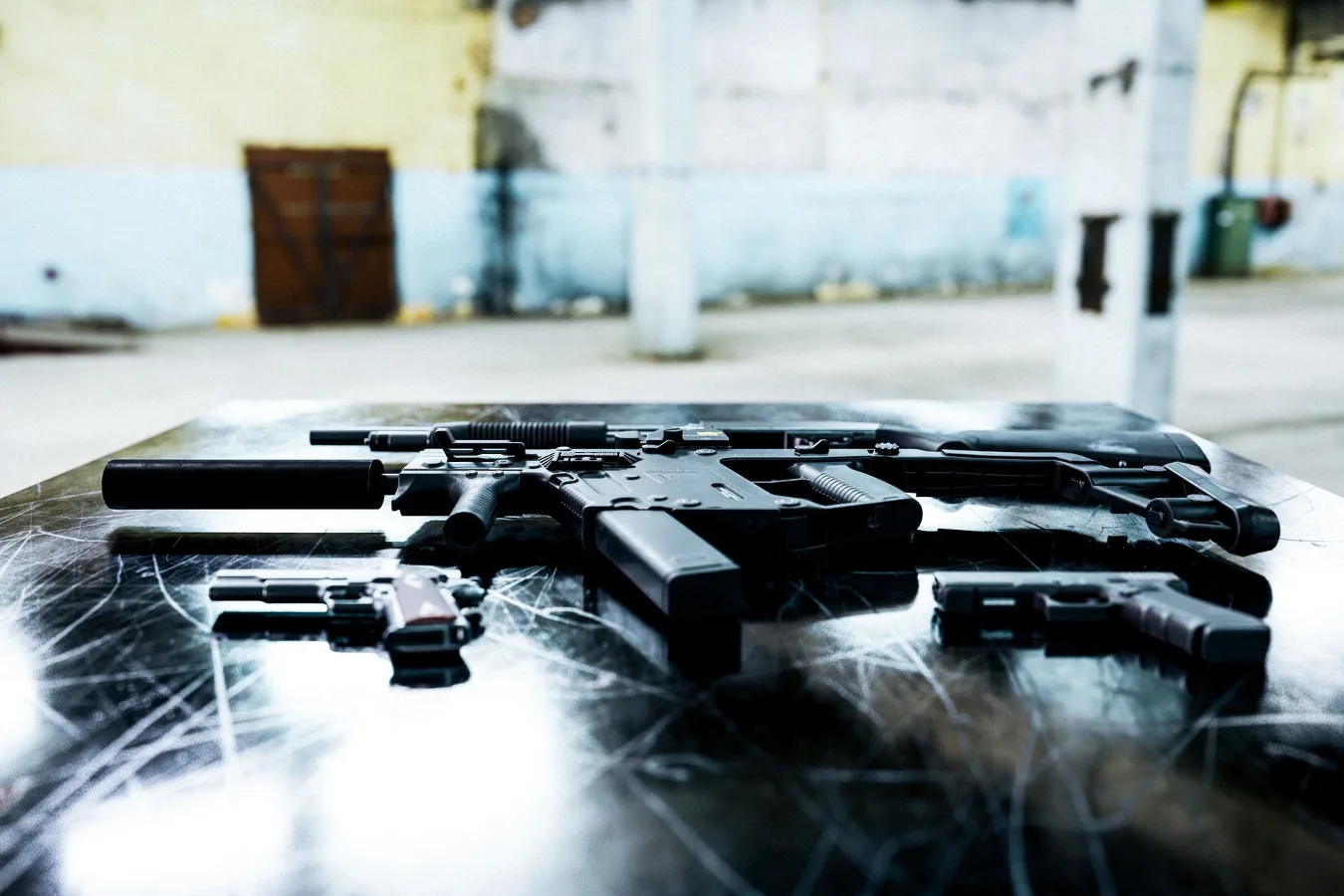
What a gun safe dehumidifier is meant to do
A gun safe dehumidifier is a moisture-control accessory designed to help keep the inside of a safe drier than the surrounding room. That matters because enclosed spaces can trap humidity, and moisture is one of the main reasons firearms, optics, magazines, and other metal parts develop rust or corrosion over time.
The goal is not to make the safe bone-dry. The goal is to reduce excess moisture enough to lower the risk of condensation and surface rust while keeping storage practical and low-maintenance. For most buyers, the right product depends less on brand name and more on how the safe is built, where it sits, and how often it is opened. how to prevent rust in firearms storage offers more detail on this point.
If you are comparing gun safes dehumidifiers, think of them as part of a broader storage setup. The safe itself, the room’s humidity, the seal quality, and how the contents are arranged all affect how well moisture control works. attic dehumidifiers offers more detail on this point.
Which buyer scenario are you solving for?
The best choice changes based on why you need one. A humid basement safe, for example, has different needs than a safe in a temperature-controlled bedroom closet.
- Low-maintenance storage: If you want something that can stay in place with little attention, a powered rod or similar electric option is often appealing.
- No outlet available: If the safe is in a location without power access, desiccant-based options may be easier to use.
- Compact safe: Smaller interiors need moisture control that does not waste space or create clutter.
- Long-term storage: If firearms may sit unused for extended periods, consistent humidity management matters more than convenience alone.
- Damp climate or basement placement: In more moisture-prone environments, the focus should be on reliable continuous control rather than a temporary fix.
That buyer scenario matters because many shoppers compare dehumidifiers by price first. A cheaper model can still be the wrong choice if it does not suit the safe’s size, power setup, or interior layout.
Main types of gun safe dehumidifiers
There are a few common approaches, and each works differently.
Electric dehumidifier rods
These are among the most common options for gun safes. They gently warm the air inside the safe, which can help reduce condensation risk. They are often chosen for their simplicity and continuous operation.
Best for: safes with reliable power access, users who want a set-it-and-forget-it solution, and interiors where a slim component can fit without blocking shelves or rifles.
Trade-off: they require an outlet and cord routing. If your safe placement makes power inconvenient, the setup may feel awkward.
Desiccant canisters or packs
Desiccants absorb moisture from the air rather than warming the interior. They are common in smaller safes, lock boxes, and storage cabinets.
Best for: small to medium spaces, safes without outlet access, and users who prefer a passive solution.
Trade-off: they usually need periodic recharging, replacement, or checking, so they are not always the lowest-maintenance choice over time.
Rechargeable moisture absorbers
These are a variation of desiccant products that can often be dried out and reused. They appeal to buyers who want an inexpensive recurring solution without wiring or constant power use.
Best for: moderate humidity control needs and users comfortable with periodic upkeep.
Trade-off: they are only as effective as your willingness to maintain them.
Electric miniature dehumidifiers
Some compact electric units are designed specifically for enclosed cabinets or safes. These may use a small heating element or another controlled drying method.
Best for: users who want active moisture control in a safe where power access is available.
Trade-off: size, heat output, and cord management need more attention than with simple passive products.
What matters most when choosing one
For gun safes dehumidifiers, the most important factors are not complicated. The challenge is matching the product to the environment instead of buying the most aggressive option available.
Safe size and interior layout
A dehumidifier that works well in a compact cabinet may do little in a large tall safe with multiple shelves and wide air volume. Larger interiors may need more than one moisture-control point, especially if the safe is packed tightly or sits in a humid room. dehumidifier vs air purifier offers more detail on this point.
Also consider placement. Some accessories mount along the bottom, others sit on a shelf, and some need vertical clearance. A product that blocks rifle barrels, optics, or door storage panels may create more frustration than it solves.
Power access
This is one of the most practical constraints. If the safe is near an outlet and the cord can be routed safely, an electric option can be convenient. If power access would require an extension cord or awkward setup, a passive desiccant may be the better fit.
Do not overlook the placement of the cord itself. The cord should not create a pinching hazard or interfere with the door closing properly. If a safe cannot close cleanly, the accessory becomes a liability rather than a solution.
Humidity level in the room
Moisture problems often start outside the safe. A dehumidifier inside the safe cannot fully compensate for a very damp room, a flooded basement, or repeated temperature swings. In those settings, the room environment may need attention too.
This is a common misconception: people expect the safe accessory alone to solve a broader humidity problem. In reality, the safest setup usually combines interior moisture control with sensible room placement and general home humidity management.
Maintenance preference
Some owners want the least possible upkeep. Others do not mind recharging packs or checking indicators on a regular schedule. Be honest about your routine. A low-tech option that you forget to service is less effective than a slightly more involved product that you will actually maintain.
Heat sensitivity of stored items
Electric units that gently warm the interior can be a good fit for many safes, but they are not equally ideal for every stored item. If your safe contains temperature-sensitive accessories, documents, or mixed storage, choose a product with a modest approach rather than assuming more heat is better.
Material and spec factors worth checking
Even if the product looks simple, a few construction details matter.
- Build quality: Look for sturdy housings, clean wiring on electric units, and components that feel appropriate for continuous use.
- Size and profile: Slimmer products are easier to place without reducing usable safe space.
- Mounting or placement method: Some units sit freely, some attach with magnets or brackets, and some need a stable shelf surface.
- Indicator or service cues: Rechargeable desiccants are easier to use when they provide a clear sign that service is needed.
- Cord length and routing: For electric units, the practical question is whether the cord can exit the safe without creating a problem.
- Compatibility with the interior finish: Any accessory should avoid scratching painted or carpeted safe interiors.
One overlooked detail is airflow. Moisture control works better when air can move around the safe rather than being blocked by tightly packed gear. If shelves are crammed and rifle barrels are pressed together, even a good dehumidifier has a harder job.
Trade-offs that matter before you buy
There is no universal best option. Each style comes with a trade-off.
| Type | Main advantage | Main drawback |
|---|---|---|
| Electric rod | Continuous, low-effort operation | Needs power access and careful cord placement |
| Desiccant pack | No outlet required | Needs periodic maintenance or replacement |
| Rechargeable absorber | Reusable and simple | Requires regular recharging or drying |
| Compact electric unit | Active moisture control in a small footprint | May take up more room or need more setup care |
That table points to a useful rule: choose the least complicated system you will reliably maintain. A sophisticated option is not automatically better if it complicates installation or makes you less likely to keep it running.
Common mistakes people make
- Buying for the label instead of the safe: A product marketed for gun safes may still be a poor fit for your interior dimensions.
- Ignoring the room: High ambient humidity can overwhelm a weak or poorly maintained accessory.
- Blocking usable storage: If the dehumidifier takes up the space needed for rifles, handguns, or shelves, the setup becomes inconvenient.
- Skipping maintenance: Desiccant products need attention. If you do not service them, their performance drops.
- Using a cord carelessly: Electric models should not compromise the safe’s closure, security, or clean installation.
- Assuming one product solves everything: Moisture control works best as part of an overall storage strategy.
Alternatives and complementary steps
If you are not sure a gun safe dehumidifier is enough, there are other sensible measures that can work alongside it.
- Location choice: Avoid placing the safe in the dampest part of the home if you have another option.
- General room humidity control: A whole-room dehumidifier can help if the storage area itself is consistently humid.
- Regular inspection: Check metal surfaces, fasteners, and hidden corners for early signs of moisture.
- Protective storage habits: Clean and lightly protect firearms before storage according to the manufacturer’s guidance and accepted firearm-care practices.
- Organized interior layout: Leave some air space so moisture control can circulate more effectively.
These steps do not replace a safe dehumidifier, but they make the whole system more effective. That is especially useful in humid regions or homes with seasonal condensation swings.
How to narrow the choice quickly
If you want a simple decision path, start with these questions:
- Does the safe have easy power access?
- Is the safe small, medium, or large relative to its contents?
- Is the room naturally humid or temperature-variable?
- Do you want passive maintenance or active continuous control?
- Will the product fit without interfering with storage or door closure?
If you answer yes to power access and want low effort, an electric option is often the easiest path. If power is inconvenient or unavailable, a desiccant-based solution makes more sense. If the room is especially damp, consider whether the safe accessory should be paired with broader humidity control.
Next steps before you buy
Before choosing among gun safes dehumidifiers, measure the interior, check for outlet access, and think about where the unit will sit. Then decide whether your priority is convenience, passive operation, or the smallest possible footprint.
That last step is often where good decisions are made. Many buyers focus on moisture removal and overlook everyday usability. The best dehumidifier is the one that fits your safe, your room, and your maintenance habits without getting in the way.
FAQ
Do gun safe dehumidifiers actually help?
Yes. Their purpose is to reduce excess moisture inside an enclosed space, which can help lower the risk of rust and corrosion. They work best when matched to the safe size and the room’s humidity level.
Is an electric or desiccant dehumidifier better for a gun safe?
Neither is automatically better. Electric options are usually more convenient if you have power access and want continuous operation. Desiccant options are better when you want a passive solution without cords.
Can one dehumidifier cover a large safe?
Sometimes, but not always. Large interiors, crowded shelving, or humid rooms may require a stronger solution or more than one moisture-control point.
Do I still need humidity control if my safe seals well?
Yes. A good seal helps, but it does not eliminate humidity that is already inside the safe or introduced when the door opens. Moisture control is still useful even in a well-built safe.
How often do desiccant dehumidifiers need attention?
That depends on the product and environment. Some need periodic recharging or replacement, especially in humid conditions. The more humid the room, the more often you should expect to check them.