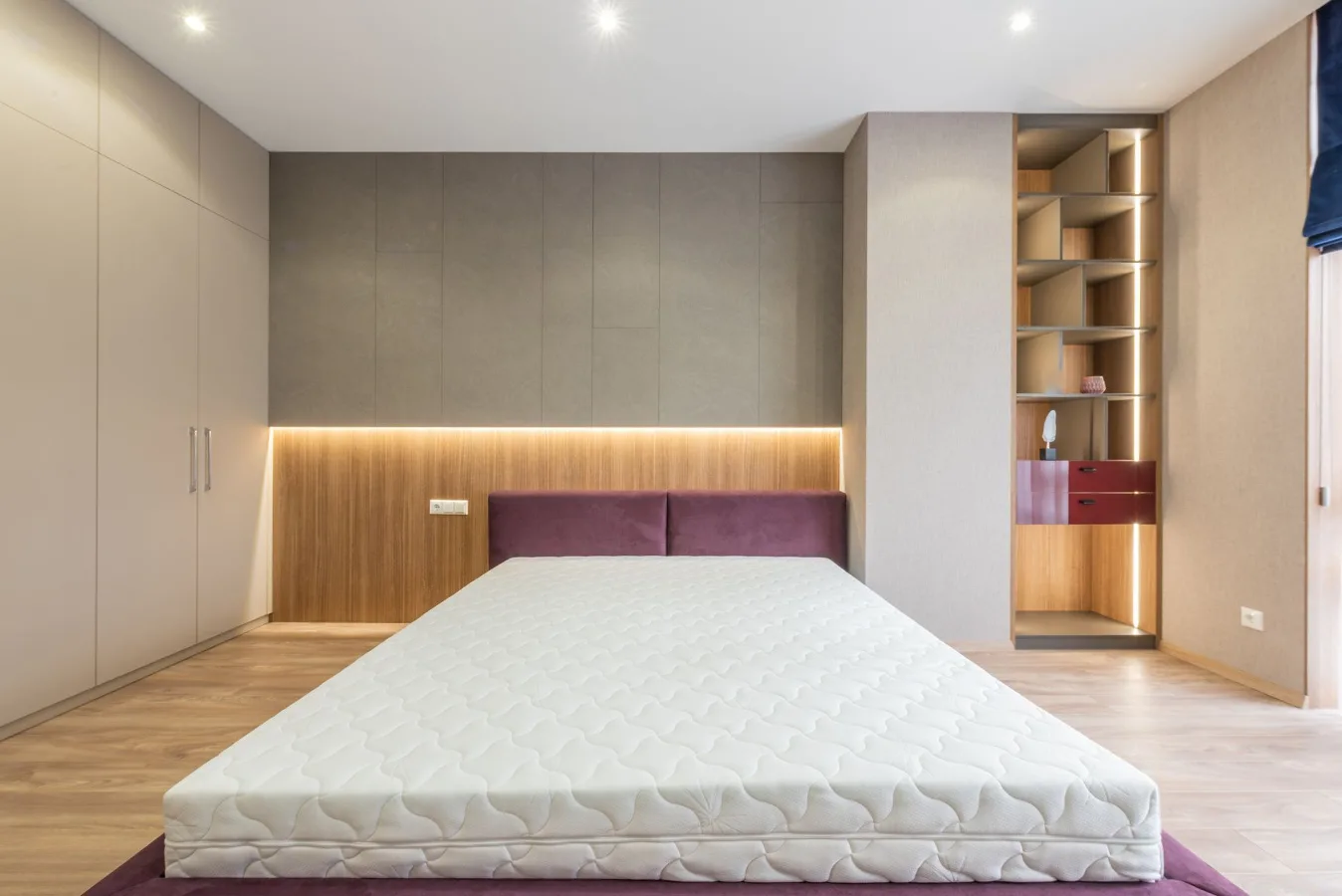
Choosing between a full size mattress vs twin usually comes down to two things: how much sleeping space the person needs and how much room the bedroom can spare. A twin is the more compact option, while a full gives a single sleeper noticeably more width. That extra room can matter a lot for teens, adults, and anyone who moves around in their sleep. best mattress sizes for kids and teens offers more detail on this point. full futon mattress offers more detail on this point.
The better choice is not always the bigger bed. A twin can be the smarter pick for small bedrooms, bunk beds, kids’ rooms, and guest spaces where floor space matters as much as sleeping comfort. A full size mattress makes more sense when the sleeper needs more personal space or when the bed is expected to last through different life stages. mattress size guide for bedrooms offers more detail on this point.
If you are deciding between the two, think beyond mattress size alone. Room layout, bed frame footprint, bedding availability, and long-term use all affect which option feels practical once the bed is in the room.
Full size mattress vs twin: the quick answer
Choose a twin if the room is tight, the sleeper is a child or younger teen, or the bed needs to fit into a shared or multi-use space. Choose a full if the sleeper wants more stretch-out room, the bed will be used by an older teen or adult, or you want a more comfortable long-term single-bed setup.
The most common mistake is assuming a full is always the better upgrade. In a small room, the larger mattress can make the space feel crowded, reduce walking space, and limit furniture placement. In that case, the real trade-off is not comfort versus cost; it is sleeping comfort versus room function.
How the two sizes serve different needs
A twin mattress is designed around efficiency. It works well where the bed is mainly for sleeping and not for lounging, spreading out, or sharing. It is often a better fit for children who do not need much sleeping width yet, or for rooms where every inch counts.
A full size mattress offers more room for one sleeper to change positions without feeling confined. That extra width can be helpful for older teens, adults who sleep alone, or anyone who likes to read, scroll, or sit up in bed with more space around them. For a single sleeper, the jump from twin to full can feel meaningful even if the mattress length stays the same.
One overlooked detail is that mattress width affects how the bed functions during the day. A full can feel more like a personal retreat. A twin often reads as more utilitarian, especially in guest rooms or compact bedrooms.
Key factors that should drive the decision
Room size and layout
Measure the floor area before choosing. The mattress footprint is only part of the equation. You also need space for nightstands, dresser drawers, closet doors, and the path around the bed. A full may technically fit, but if the room becomes hard to move through, the smaller mattress may be the better design choice.
In narrow bedrooms, a twin can make the entire layout easier. It may let you keep a desk, toy storage, or an additional chair in the room. A full often works better when the room is wide enough to support it without crowding the rest of the furniture.
Who will use the bed
The sleeper’s age, body size, and sleep habits matter more than many shoppers expect. A child who is still growing may do fine on a twin for years. A teen nearing adult size may appreciate a full much sooner. An adult single sleeper usually benefits from the extra width of a full, especially if they sleep with arms spread out or shift positions frequently.
If the bed will be used by guests, think about the type of visitor you usually host. For occasional short stays, a twin can be sufficient. If you regularly host adults, a full often feels more comfortable and less temporary.
Long-term flexibility
A full size mattress often has more staying power for one sleeper because it can carry someone from teenage years into adulthood. That does not mean a twin is a poor investment. It simply means the twin is usually best when the use case is clearer and shorter term, such as a child’s room or a guest setup with limited space.
If you want a bed that can adapt as a child grows, a full may reduce the need to replace the mattress as soon. If the room itself is likely to change, though, a twin can be easier to repurpose later.
Budget and overall bedroom cost
Mattress size affects more than the mattress itself. Bedding, bed frames, and platform bases all need to match the size. A full can sometimes cost more across the whole setup simply because it requires larger components. That said, the value question is not only about initial spend. If a full avoids an early upgrade, it may be the more practical choice over time.
For a room that will stay compact, a twin may deliver the better overall value because it leaves room for the rest of the space to work properly. A bed is not just a sleeping surface; it is part of the room’s layout.
Comfort differences that actually matter
The main comfort difference is width. A full gives a solo sleeper more elbow room, which can make side sleeping, restless sleeping, or bedtime routines feel less cramped. A twin can still be perfectly comfortable for one person, but it leaves less margin for movement.
Length is another point people sometimes miss. In many mattress size charts, twin and full are similar in length, so the real distinction is usually width rather than legroom. That means taller sleepers should pay attention to length separately and not assume a full automatically solves that issue.
Another practical nuance: if someone likes to sleep with a pet, a pile of pillows, or a reading bolster, the extra width of a full can be more useful than it seems on paper. A twin can work, but it leaves less flexibility for those everyday habits.
When a twin makes more sense
- The room is small and every inch matters.
- The bed is for a child, younger teen, or occasional guest.
- You need a mattress for a bunk bed or another frame that requires a twin.
- You want to preserve floor space for storage, play, or a desk.
- You expect the bed to be used mainly for sleep rather than lounging.
A twin is also easier to place in multi-purpose spaces. In a home office or small guest room, it can keep the room from feeling dominated by the bed. That makes it a practical choice for apartments, smaller homes, and rooms that do more than one job.
When a full size mattress is the better call
- The sleeper is a teen or adult who wants more room to move.
- The bed will be used regularly, not just occasionally.
- The room can support a larger bed without losing function.
- You want a more comfortable single-sleeper setup for the long term.
- You are trying to avoid outgrowing the mattress too quickly.
A full often feels like the safer choice for a growing teen because it offers more breathing room without jumping all the way to a queen. It can also be a smart option for guest rooms meant to handle a wider range of visitors comfortably.
Common mistakes people make
Buying for the mattress, not the room. A full can seem like the obvious upgrade, but if it blocks a closet or leaves no room for a dresser, the bedroom may become less usable.
Ignoring bed frame size. The mattress is only one part of the footprint. Some frames add bulk at the edges or at the foot of the bed, which can make a room feel tighter than expected.
Assuming all twin beds are the same setup. Twin beds are common in kids’ rooms and bunk beds, but accessories and room planning still matter. Storage, bedside access, and bedding choice can change how the bed feels in practice.
Choosing too small for a growth stage. A bed that works now may not work later. If the sleeper is near a major growth phase, think ahead before selecting the smaller option.
Practical ways to decide
Start with the room. If the space is narrow, the twin often wins because it protects the rest of the layout. If the room has enough width and the sleeper wants more personal space, the full becomes easier to justify.
Next, think about how the bed will be used. For sleeping only, a twin may be enough. For reading, relaxing, or spending more time in bed, a full is usually more comfortable. Then consider how long you want the mattress to last in that room. A full tends to be the better long-term single-sleeper choice, while a twin is often the better short-term or space-saving choice.
If you are still undecided, ask one simple question: Will the extra width improve sleep enough to justify losing room space? If the answer is yes, choose the full. If the room needs the space more than the sleeper needs the width, choose the twin.
Alternatives worth considering
If neither size feels ideal, there are a few practical alternatives depending on the room and user.
- Twin XL: useful when legroom matters more than width, especially for taller sleepers in compact rooms.
- Full: the middle ground when a twin feels too tight but a larger bed would overwhelm the space.
- Trundle or daybed setup: helpful for rooms that need flexibility for guests or daily use.
These alternatives are not always the answer, but they can solve a layout problem better than forcing a standard size that does not fit the room’s purpose.
Full size mattress vs twin: which is better for common rooms?
Kids’ bedrooms
A twin is often the most practical starting point for younger children because it is space-efficient and usually easier to fit into a kid-focused room. A full can make sense if you want the bed to last longer or if the room is large enough to handle it comfortably.
Teen bedrooms
This is where the full often starts to pull ahead. Many teens want more room than a twin provides, especially if they use the bed for homework, hanging out, or reading. If the room is small, though, a twin may still be the better fit until there is more space available.
Guest rooms
For a guest room, the better choice depends on the type of guests you host and how often the space is used for something else. A twin is fine for occasional, compact, or multi-use rooms. A full can make guests feel more comfortable, especially when the room is meant primarily for sleeping.
Studio apartments and small bedrooms
A twin is usually the safer layout choice if space is tight. A full may still work if the room is well planned, but it can quickly reduce storage and circulation space. In small homes, the bed should support the room rather than overpower it.
FAQ
Is a full size mattress bigger than a twin?
Yes. A full size mattress is wider than a twin, which gives a single sleeper more room to move. The length is often similar, so the biggest difference is width.
Is a twin or full better for an adult?
For most adults sleeping alone, a full is more comfortable because it offers more space. A twin can still work if the room is very small or the bed is only used occasionally.
Should I buy a full if my child is still young?
Only if the room can support it and you want the bed to last longer. Otherwise, a twin is usually more practical for a younger child’s room.
Is a full good for small bedrooms?
Sometimes, but not always. A full may fit physically while still making the room feel crowded. Always measure the space and account for furniture and walking room.
Which is better for a guest room, full or twin?
It depends on the room and the guests. A twin works well in a compact or multi-use room, while a full is often more comfortable for adult guests if space allows.
For most shoppers, the decision is simple once the room and sleeper are matched properly. A twin is the practical space-saver. A full is the more comfortable single-sleeper option. The right answer is the one that fits both the room and the way the bed will actually be used.