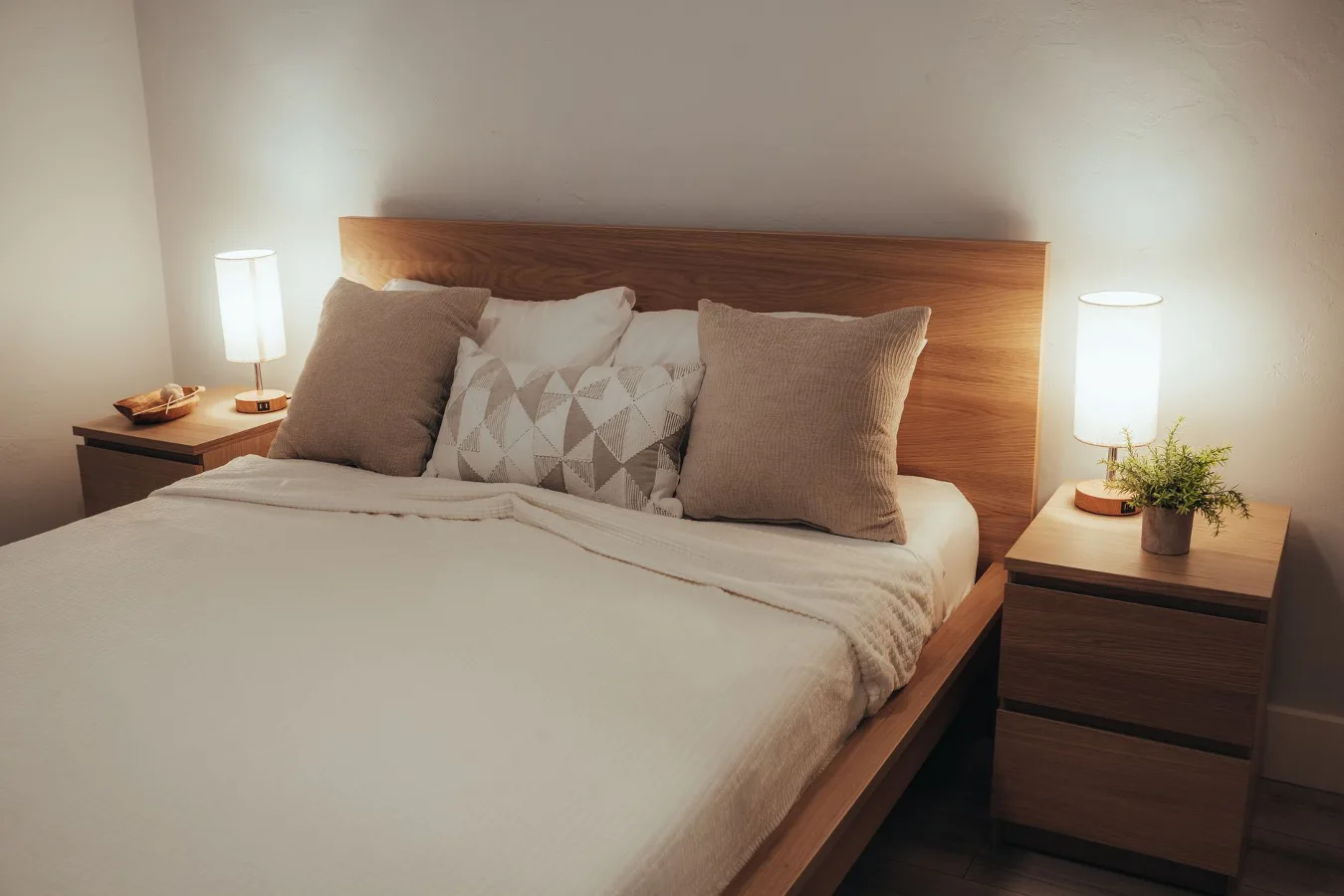
A wood king bed frame is usually the right choice when you want a bed that feels substantial, looks timeless, and works across changing bedroom styles. The best one for you depends less on appearance alone and more on the frame’s construction, support system, finish, and how it fits your mattress, room size, and daily routine. choosing the right mattress support offers more detail on this point. how to choose a king bed frame offers more detail on this point.
If you are comparing wood king bed frames, start with the practical question: do you want a simple platform frame, a frame with a headboard, a storage-focused design, or something that can support a heavier mattress setup? Once you answer that, the rest of the decision becomes much easier. platform bed frame basics offers more detail on this point.
When a wood king bed frame makes the most sense
Wood is a strong option for a king bed frame if you want a piece that can feel more architectural than upholstered alternatives. It often suits bedrooms where natural texture matters, and it can work in styles ranging from farmhouse and traditional to modern, Japandi, transitional, and rustic minimal.
A wood king bed frame is especially worth considering if you care about:
- Visual warmth — wood can soften a room with hard flooring, painted walls, or minimal decor.
- Long-term style flexibility — a simpler wood frame is easier to restyle around than trend-driven materials.
- Structural support — many wood frames are designed with slats, center support, or a platform base.
- Weight and presence — a king frame needs to feel stable and proportional, and wood often delivers that grounded look.
It may be less ideal if you need something very lightweight, frequently movable, or fully upholstered for a softer visual effect. Wood also shows wear differently than metal or fabric, so the finish and construction quality matter more than people sometimes expect.
Start with the frame type, not just the finish
One common mistake is shopping by color first. A walnut stain or oak tone may look appealing, but the frame type determines how the bed performs day to day.
Platform wood king bed frame
This is one of the most practical choices for many households. A platform design typically includes slats and does not require a box spring, though mattress compatibility still matters. It gives the bedroom a clean profile and can make setup simpler.
Platform frames tend to suit:
- low-maintenance buyers
- modern or minimalist bedrooms
- people who want a lower bed height
- shoppers trying to avoid extra foundation costs
Panel or traditional bed frame
A panel frame usually works with a headboard and footboard and may rely on a box spring or foundation, depending on the design. This style often feels more classic and substantial, but it can take up more visual space.
Choose this if you want a more formal look or if your mattress setup already includes a foundation you plan to keep using.
Storage wood king bed frame
If your bedroom needs hidden storage, a wood frame with drawers or lift-up storage can be a smart use of space. The trade-off is that storage mechanisms add complexity and can affect weight, access, and assembly.
Storage beds are useful in smaller homes, shared bedrooms, and spaces where extra dresser storage would be difficult to fit. The downside is that drawers need clearance, and the bed may be harder to move than a simple frame.
Wood type affects more than appearance
Many shoppers focus on the finish shade, but the underlying wood construction matters just as much. The broad choice is usually between solid wood and engineered wood, with each bringing trade-offs.
Solid wood
Solid wood frames often appeal to buyers who want a heavier, more substantial feel and a natural material story. Depending on the species and construction, solid wood can be a strong option for long-term use.
What to consider:
- Durability — generally a strong advantage, though quality still depends on joinery and design.
- Weight — heavier frames can feel steadier but are harder to move.
- Finish behavior — wood grain, knots, and tone variation are part of the look.
- Care needs — surface cleaning is usually simple, but moisture and direct sunlight can affect appearance over time.
Engineered wood or wood-composite construction
Engineered wood options can be appealing for budget-conscious buyers or for situations where a lighter frame is easier to handle. These frames may still look attractive and work well, especially when the design and hardware are solid.
The key limitation is that engineered construction can vary widely. Some frames are well made and perfectly suitable for daily use, while others may show wear sooner or feel less rigid over time. For that reason, hardware quality, weight rating, and joinery deserve close attention.
Veneered wood finishes
Some frames use a veneer over an engineered core. This can provide a more refined wood look at a more accessible price point. The main thing to watch is surface durability. Veneers can be practical, but they may be less forgiving if the finish is damaged.
Support details matter more on a king bed
A king bed frame has to manage more width than smaller sizes, which makes support especially important. A frame that seems fine in a showroom can become noisy or unstable if it lacks enough reinforcement for real use.
Look closely at these support factors:
- Center support legs — helpful for reducing sag and improving stability across the middle of the bed.
- Slat spacing — closer, well-supported slats generally provide better mattress support than widely spaced ones.
- Side rail strength — the side rails should feel rigid, not flexible.
- Hardware quality — bolts, brackets, and connectors can influence squeaks and long-term stability.
A common misconception is that all wood frames are inherently sturdy. In reality, the design of the support structure matters as much as the wood itself. A well-built engineered frame can outperform a poorly designed solid wood frame if the joinery and reinforcements are better.
Match the frame to your mattress setup
Compatibility is one of the most overlooked parts of buying a king bed frame. Before you choose a style, confirm what your mattress needs and whether the frame is designed for that setup.
Check these points:
- Mattress type — memory foam, hybrid, latex, and innerspring mattresses may have different support preferences.
- Need for a box spring — some frames are designed to be used with one, while others are not.
- Mattress height — a low platform frame paired with a tall mattress can create a bed that feels much higher than expected.
- Headboard attachment — if you already own a headboard, make sure the frame can accept it.
One practical nuance: a king mattress already occupies a large footprint, so bed height can change how the whole room feels. A very tall frame may make a low-ceilinged bedroom feel more crowded, while a lower platform can create a calmer look.
Room size and scale should guide the style
A king bed frame can dominate a bedroom if its proportions are too heavy for the space. This is not just about square footage. Ceiling height, window placement, doors, and walking clearance all matter.
Think about how the frame will interact with the rest of the room:
- Low-profile frames can make a room feel more open.
- Frames with tall headboards can act as a focal point but may overwhelm a small room.
- Chunky rails and thick legs create a heavier visual effect.
- Slimmer silhouettes work better when you want the bed to feel less bulky.
If your bedroom is tight, a wood king bed frame with clean lines and minimal footboard bulk may be more practical than a highly detailed traditional design. The goal is not to shrink the bed visually, but to keep the room usable and balanced.
Style choices that feel current without dating quickly
A wood king bed frame is often chosen for its style longevity. That said, some finishes and silhouettes are easier to live with than others.
Light wood tones
Oak-like, ash-like, or pale natural finishes can brighten a room and work well in contemporary or Scandinavian-inspired spaces. They usually pair nicely with neutral bedding and matte black, brass, or woven accents.
Mid-tone wood
Medium browns are versatile and less likely to feel overly trendy. They can bridge modern and traditional decor, which makes them a safe choice if your style may evolve.
Dark wood
Dark finishes can feel elegant and grounded, but they also tend to read as more formal. In a smaller room, a dark frame may look heavier unless the rest of the decor stays light and uncluttered.
Style is not only about the finish. Details like leg shape, rail thickness, headboard angle, and joinery all change the impression. A simple frame with thoughtful proportions often ages better than a heavily ornamented one.
Assembly, moving, and maintenance are part of the real cost
Shoppers often compare only the purchase price, but a wood king bed frame also has practical costs in time and effort.
Before buying, consider:
- Assembly complexity — some frames are straightforward, while others require more patience and two people.
- Package weight — a king frame may be cumbersome to bring upstairs or through narrow hallways.
- Cleaning — most wood finishes need gentle dusting and occasional wipe-downs rather than heavy upkeep.
- Long-term adjustment — periodic tightening of hardware may help reduce movement or noise.
This is where a real-world constraint matters: a beautiful frame that is difficult to assemble or move may become frustrating if you relocate often or rearrange furniture regularly. If you expect to move in the near future, a simpler construction may be the better choice.
How to compare options without getting distracted by marketing
Product listings often emphasize finish names and lifestyle photography. Those details matter, but they do not tell you whether the frame will suit your bedroom.
Use this step-by-step buying checklist instead:
- Confirm mattress compatibility and whether you need a box spring or foundation.
- Measure the room and leave enough clearance for walking paths, nightstands, and drawers if applicable.
- Decide on the frame type — platform, panel, or storage.
- Check support features such as center legs, slat design, and reinforcement.
- Choose a wood tone that works with your flooring, wall color, and other furniture.
- Review assembly requirements if you want something manageable without professional help.
- Consider future flexibility if you may change mattresses, decor, or layout later.
A simple comparison table can also help keep priorities clear:
| What to compare | Why it matters | Best for |
|---|---|---|
| Solid wood vs. engineered wood | Impacts feel, weight, and long-term durability | Buyers balancing longevity and budget |
| Platform vs. box spring design | Affects mattress support and bed height | Different mattress setups |
| Storage vs. non-storage frame | Changes room organization and assembly complexity | Smaller spaces or storage needs |
| Low-profile vs. tall headboard | Influences room scale and visual weight | Rooms with different ceiling heights |
| Slat and center support design | Helps prevent sagging and movement | Heavier mattresses and wider setups |
Common mistakes to avoid
Even experienced buyers can miss a few details when shopping for a king frame.
- Choosing by finish alone and overlooking structural support.
- Forgetting mattress height once the frame is added.
- Ignoring room scale and ending up with a bed that crowds the space.
- Assuming all wood is equal without checking joinery, hardware, and support design.
- Overlooking assembly and moving logistics until delivery day.
Another overlooked consideration is noise. A bed frame that looks sturdy may still develop squeaks if the hardware loosens or if the slats are not properly seated. That does not make wood a bad choice; it just means the design details deserve attention.
Wood king bed frame examples by use case
For a calm, minimal bedroom
Choose a low-profile wood king bed frame with a simple headboard or no headboard at all. Light or medium wood tones usually keep the room feeling open.
For a classic master bedroom
A panel frame with a more substantial headboard can create a traditional, anchored look. This works well if the room already has enough space for a stronger visual centerpiece.
For a small room with storage needs
Look at a storage bed frame with clean lines and drawers that can open without obstruction. Prioritize practicality over ornate design.
For an easy update to existing decor
Choose a neutral wood tone and a restrained silhouette. This makes it easier to switch bedding, rugs, and accent pieces later without replacing the frame.
Simple checklist before you buy
- Does the frame match your mattress type and support needs?
- Will the bed height feel comfortable for getting in and out?
- Is the frame size appropriate for the room layout?
- Does the design fit your current style and likely future updates?
- Are assembly, cleaning, and moving realistic for your household?
- Do you need storage, a headboard, or special compatibility features?
A wood king bed frame is a strong choice when you want a bed that feels substantial without sacrificing flexibility. Focus on support, scale, and construction first, then narrow the field by finish and style. That approach usually leads to a frame that looks right in the room and still makes sense after the novelty wears off.