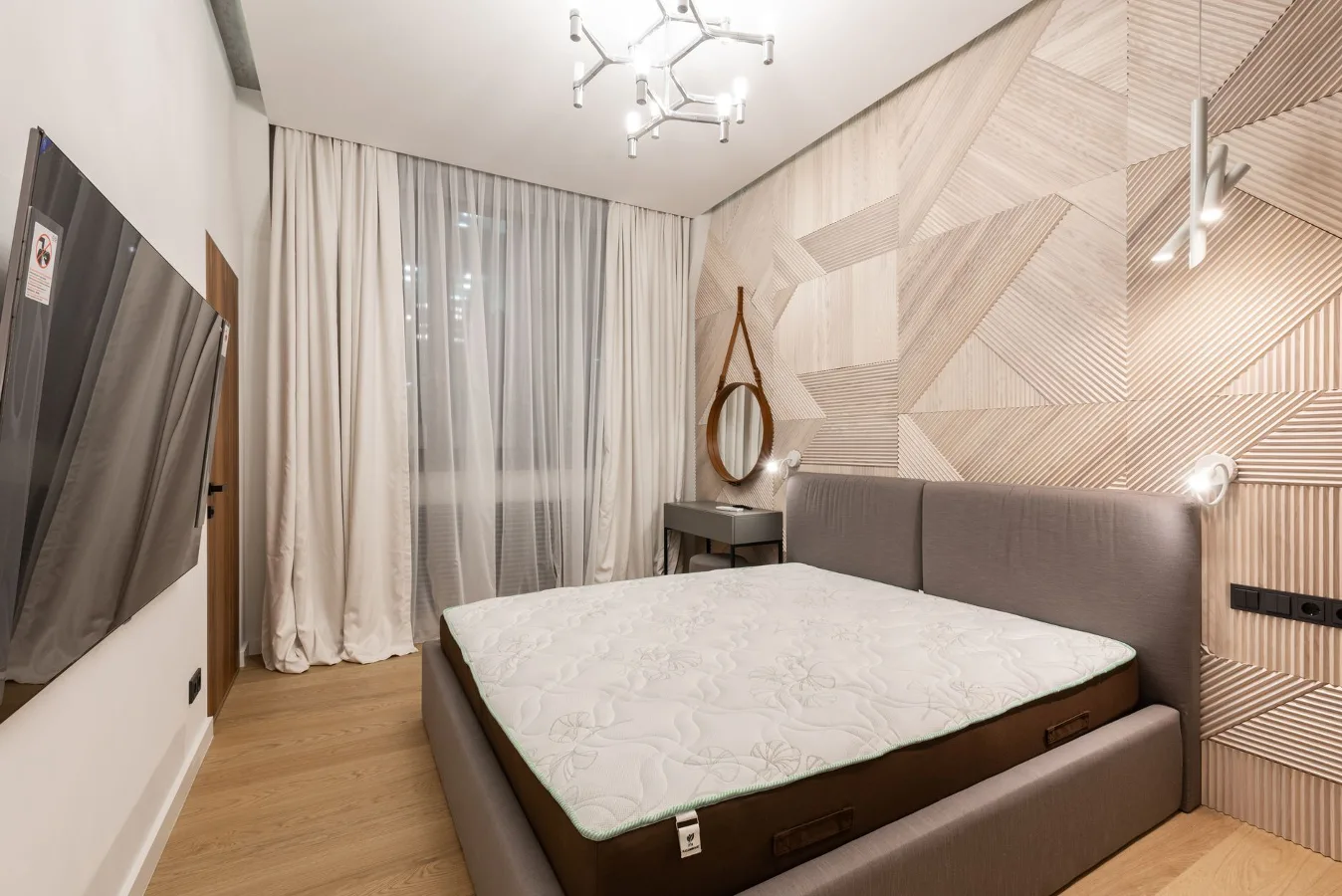
A full size futon mattress is a smart option if you want one piece of furniture to do more than one job. In a bedroom, guest room, studio apartment, or multipurpose space, it can serve as a bed at night and a seating surface during the day—if the mattress is built for the way you plan to use it. mattress care and maintenance basics offers more detail on this point. full bed size guide offers more detail on this point.
The right choice depends less on a single feature and more on the full setup: frame compatibility, fill type, thickness, firmness, folding performance, and how much wear the mattress will handle. Many buyers focus on comfort alone, but with futons, the support system matters just as much. how to choose a mattress for small spaces offers more detail on this point.
What a full size futon mattress is best for
A full size futon mattress is designed to fit a full size futon frame or convertible base. It is typically used in spaces where flexibility matters: a compact guest room, a home office that doubles as a sleeping area, a teen bedroom, or an apartment where a separate sofa and bed would take too much room.
People often search for a full size futon mattress because they want something that feels more adaptable than a standard mattress and more comfortable than a thin pad. That expectation is reasonable, but the trade-off is that futon mattresses usually involve more compromise than a conventional bed mattress. A model that folds well may feel firmer; a plusher model may not sit as neatly on a frame. The best choice depends on which side of that balance matters most to you.
The first decision: how you will use it
Before comparing materials or covers, decide how the futon will function in daily life. That answer usually points you toward the right construction.
- Everyday sleeping: Look for stronger support, better edge consistency, and materials that are less likely to compress quickly.
- Occasional guest use: Comfort and appearance may matter more than long-term structural durability.
- Primarily for sitting: You may prefer a futon mattress that folds cleanly and keeps a tidy profile on the frame.
- Small-space living: Balance comfort with easy conversion, because you will likely be moving it often.
One overlooked point: a futon that seems “soft enough” in a store setting may feel very different after it has been folded, sat on, and unfolded repeatedly. For that reason, buyers should think about both sleep comfort and day-to-day handling.
Key factors that matter most
1. Frame compatibility
A full size futon mattress should match the dimensions and design of the frame it will sit on. That sounds obvious, but compatibility goes beyond length and width. Some frames need mattresses that fold easily; others work better with more structured fills. If the mattress is too bulky, it may not close smoothly. If it is too light or too thin, it may shift or feel under-supported.
Check whether the frame is meant for a traditional futon mattress, a mattress topper style insert, or a convertible sofa setup. A common mistake is assuming that any full size cushion-like mattress will work. In practice, the frame design affects both comfort and longevity.
2. Thickness and loft
Thickness influences comfort, seating feel, and folding behavior. A thicker futon mattress may provide a plusher sleep surface, but extra bulk can make conversion harder and can sometimes reduce the crisp seating feel people expect from a futon. Thinner options fold more easily but may not be as comfortable for nightly use.
Think of thickness as a compromise between bed-like comfort and sofa-like flexibility. If the futon is mainly for sleeping, a more substantial mattress may make sense. If you need smooth folding and a cleaner daytime silhouette, a slimmer build may be the better fit.
3. Fill construction
Futon mattresses are commonly built with one or a combination of materials such as cotton, foam, polyester fiber, innerspring support, or layered hybrids. Each construction has different strengths.
- Cotton fills tend to feel more traditional and can compress into a flatter profile over time.
- Foam layers often add cushioning and can improve pressure relief.
- Fiber fills may feel lighter and more flexible, though comfort can vary by density and design.
- Hybrid builds try to combine support and comfort, often with better versatility for mixed use.
A practical nuance: the term “futon mattress” does not guarantee a single type of feel. Two products with similar names can behave very differently once placed on a frame. Reading the construction details matters more than relying on the label alone.
4. Firmness
Futons are often firmer than many buyers expect. That is not necessarily a drawback. A firmer surface can help with support, especially on a convertible frame that does not behave exactly like a traditional bed base.
Still, firmness should match the user. A mattress that is too firm may feel uninviting for sleeping, while one that is too plush may lose its shape faster or feel unstable when folded. For shared spaces, a medium-firm feel is often the safest place to start, but your body weight, sleep position, and usage pattern all matter.
5. Folding performance
If you plan to convert the futon often, folding behavior deserves real attention. Some mattresses naturally bend and settle into the frame. Others resist folding, bunch at the hinge points, or shift out of place. This can affect not only convenience but also long-term wear.
Look for construction that is designed to handle repeated movement. A mattress that is comfortable when flat but cumbersome in daily use can become frustrating fast, especially in a room where the futon serves multiple purposes.
6. Cover material and care
The cover is easy to overlook, yet it plays a major role in maintenance and durability. A removable cover can simplify cleaning, which is especially helpful in guest rooms, shared bedrooms, and homes with pets or children. Some fabrics are more breathable; others may feel more structured or easier to wipe down.
If the futon will see frequent use, prioritize a cover that is practical to maintain. A beautiful cover that is difficult to clean can become a hassle, particularly if the mattress is used as both seating and sleeping space.
How to match the mattress to the room
The right full size futon mattress depends partly on the room itself. A bedroom used every night has different needs than a flexible space that only occasionally functions as sleeping quarters.
| Room use | What to prioritize | What to be cautious about |
|---|---|---|
| Everyday bedroom | Support, comfort, durability, consistent shape | Overly thin or overly soft builds |
| Guest room | Comfort balance, easy upkeep, neat appearance | Overly specialized construction that limits versatility |
| Office or multipurpose room | Easy folding, lighter handling, tidy profile | Bulky mattresses that are hard to convert |
| Studio apartment | All-around versatility, practical cover care, reliable support | Low-durability materials that wear down quickly |
Another often-missed detail is airflow. In compact rooms, mattresses that trap heat or sit in poorly ventilated areas may feel less comfortable over time. If your space tends to run warm, breathable cover fabrics and a construction that does not feel overly dense can make a noticeable difference.
Practical solutions for common buying problems
If comfort is the top priority
Choose a futon mattress with enough cushioning to handle the sleeping position you use most. Side sleepers typically need more pressure relief than back sleepers, while stomach sleepers may prefer a firmer surface that keeps the torso from sinking too deeply. If the futon will be used frequently for overnight sleep, treat it more like a mattress than a casual cushion.
If easy conversion matters most
Focus on flexibility, moderate thickness, and frame fit. A mattress that is too dense or too tall can make the sofa-to-bed transition awkward. This is especially important in rooms where the futon is moved several times a week.
If long-term value matters most
Look beyond the lowest-priced option and pay attention to construction quality, cover practicality, and whether the mattress suits the frame. A futon that wears unevenly or becomes uncomfortable quickly can cost more in the long run than a better-built option purchased once.
If the room has multiple users
Shared use creates a different challenge: the mattress has to satisfy different preferences. In that case, a balanced firmness level and a stable support structure are usually safer choices than an extreme soft or extra-firm design.
Common mistakes buyers make
- Buying by size alone: Full size does not automatically mean the mattress will fit every frame correctly.
- Assuming thicker is always better: Extra bulk can hurt folding performance.
- Ignoring daily use patterns: A mattress for occasional guests should not be judged the same way as one for nightly sleep.
- Overlooking the cover: Easy cleaning matters more than many shoppers expect.
- Choosing style before support: A good-looking futon that feels poor after a week is not a good trade.
A common misconception is that futon mattresses are all meant to feel the same. They are not. The category includes very different constructions, and that is why reading product details is essential.
Alternatives worth considering
If a full size futon mattress seems close to what you need but not quite right, there are a few practical alternatives.
- A full mattress on a compatible platform: Better for dedicated sleep comfort, less convenient for folding.
- A sofa bed mattress: Useful if the main goal is a hidden sleep surface inside a convertible frame.
- A daybed setup: Works well for seating-first spaces where sleeping is secondary.
- A futon mattress topper or pad: May help fine-tune comfort, though it will not solve a poorly matched base mattress.
These options are not replacements in every case, but they are worth weighing if your priorities are changing. For example, if the futon will rarely be folded, a more bed-like setup may make better sense than a traditional convertible mattress.
How to make a better decision
A simple decision path can help narrow the field without overcomplicating the search:
- Start with the frame and confirm compatibility.
- Decide whether the futon will be used mostly for sleeping, sitting, or both.
- Choose a firmness range that fits your comfort needs.
- Consider thickness based on folding frequency.
- Check whether the cover is easy to clean.
- Compare how each option handles long-term wear and room use.
If you are still undecided, the safest choice is usually a balanced full size futon mattress with moderate firmness, a practical cover, and construction that matches repeated use. That combination rarely feels extreme, but it often performs best across real-world conditions.
Frequently asked questions
What size is a full size futon mattress?
A full size futon mattress is designed for a full size futon frame or convertible setup, but exact fit can vary by manufacturer. Always compare the mattress dimensions with the frame specifications before buying.
Is a futon mattress comfortable for everyday sleeping?
It can be, depending on the construction and support level. Everyday use usually calls for stronger support, better durability, and a feel that is comfortable enough for repeated overnight sleep.
Are futon mattresses supposed to be firm?
Many are firmer than standard mattresses because they need to function as both seating and sleeping surfaces. Firmness varies by material and design, so it is better to compare the actual construction than rely on the futon label alone.
How do I keep a futon mattress from sagging?
Use a compatible frame, rotate or reposition the mattress when appropriate, and avoid overloading one area with constant use. A cover that protects the surface and a build suited to your usage pattern can also help.
Can I use a full size futon mattress without a futon frame?
Sometimes, but not always in a way that feels practical. Futon mattresses are designed around folding and frame support, so using one without the right base may reduce comfort and stability.
For buyers who want flexibility in a bedroom or multipurpose room, a full size futon mattress can be a useful solution—as long as the choice is driven by how the room functions, not just by the idea of saving space. The best results usually come from matching the mattress to the frame, the room, and the way it will be used every day.