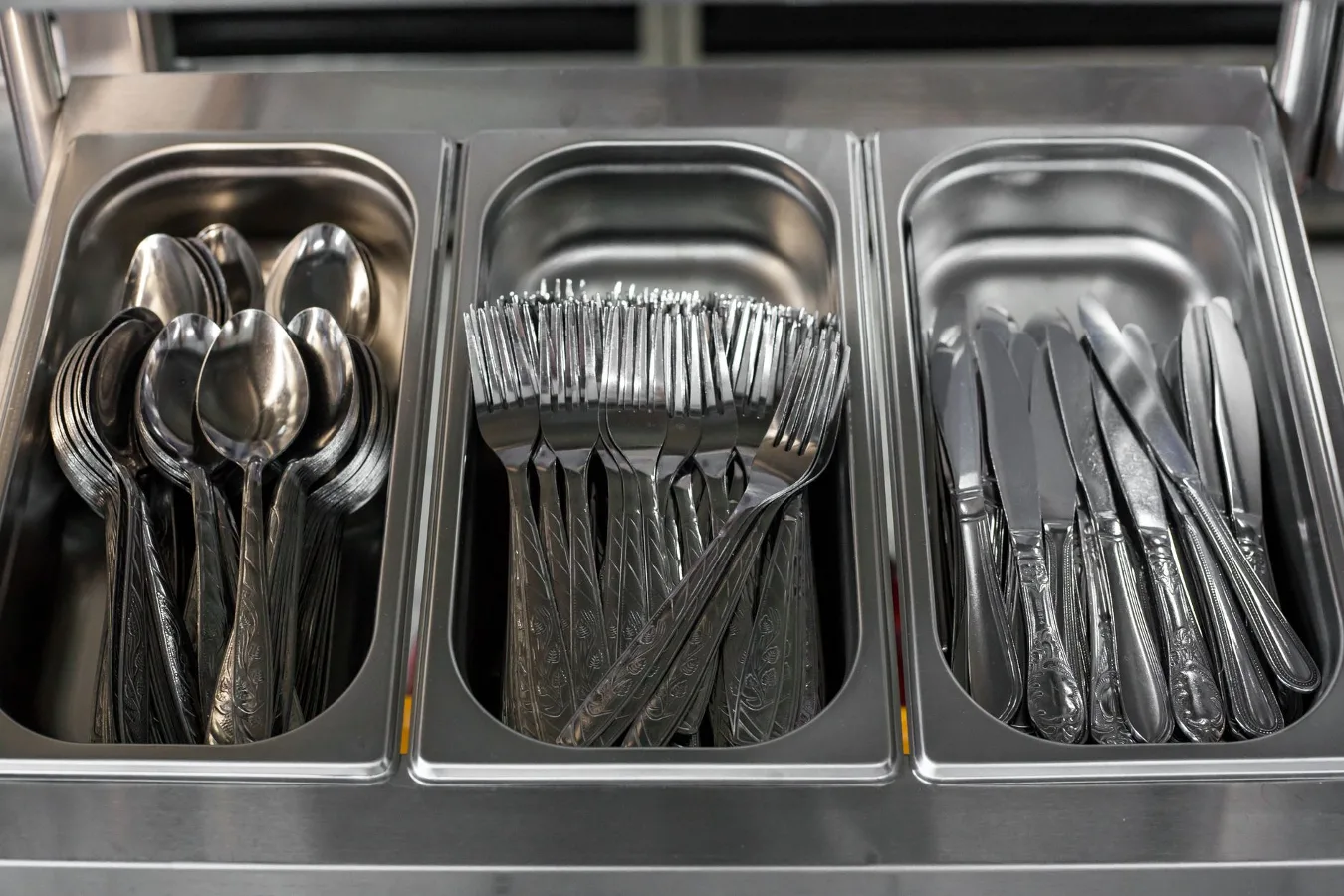
What a stainless steel knife set is best for
A stainless steel knife set is a practical choice for home cooks who want a versatile collection of kitchen knives with straightforward care and broad everyday use. For most shoppers, the appeal is simple: stainless steel helps resist rust and staining, and a set usually includes the core knives needed for prep work, slicing, and general cooking. Kitchen guide offers more detail on this point. damascus steel knife set offers more detail on this point.
The phrase can cover a wide range of products, though. Some sets use stainless steel for the blades only, while others include stainless steel handles or a mix of materials. That difference matters because blade construction, handle comfort, and included knife types often affect satisfaction more than the label itself.
If you are shopping for a kitchen upgrade, the real question is not whether stainless steel is “good” in the abstract. It is whether the set matches how you cook, how much maintenance you want, and how much counter or drawer space you can spare.
Key factors that matter before you buy
Blade steel and how it behaves
Not all stainless steel performs the same way. In kitchen knives, stainless steel usually means the blade is designed to resist corrosion better than higher-maintenance steels, but the exact formulation affects edge retention, sharpening feel, and toughness. Some stainless steels are easier to maintain but may need sharpening more often. Others hold an edge longer but can feel less forgiving if you are not careful with cutting boards or storage.
A common misconception is that “stainless” automatically means “maintenance-free.” It does not. Stainless steel can still dull, stain if neglected, or develop issues if left wet or stored loosely with other utensils.
Knife selection inside the set
Many buyers focus on the headline number of pieces, but the useful part is the actual knife mix. A practical set usually centers on a chef knife, a paring knife, a serrated bread knife, and one or two utility knives. Some sets add steak knives, kitchen shears, or a honing steel.
More pieces are not always better. Extra steak knives, decorative blocks, and specialty blades can inflate the count without making daily cooking easier. For a lot of kitchens, fewer well-chosen knives are more valuable than a large set with overlapping functions.
Handle comfort and control
Handle shape affects comfort more than many buyers expect. If you cook often, the grip should feel secure when your hands are wet or lightly oily. Look for a handle that fits your hand size and supports a natural pinch grip on the chef knife. A set may look polished on the counter, but if the handle feels awkward, it can become frustrating fast.
Balance also matters. Some knives feel blade-heavy, others handle-heavy. There is no single correct feel, but a balanced knife often gives better control for chopping and slicing.
Construction and durability
Stainless steel knife sets may be stamped or forged. Stamped knives are generally cut from a sheet of steel and can feel lighter. Forged knives are shaped from heated steel and often have a more substantial feel, though that does not guarantee better performance by itself. The more useful comparison is how the knife handles daily use, how well it holds an edge, and whether the construction feels solid where the blade meets the handle.
Look carefully at the join between blade and handle, especially if the set will be used heavily. A full tang design, where the steel extends through the handle, can add stability and confidence in hand, though the overall build still matters more than any single construction term.
Practical benefits of stainless steel knife sets
- Easy day-to-day care: Stainless steel is generally easier to live with than more reactive steels.
- Broad food prep use: A good set covers slicing, chopping, peeling, and bread cutting.
- Better resistance to rust and staining: Useful in busy kitchens and humid environments.
- Simple shopping process: You can get the core knives together instead of buying each piece separately.
- Storage convenience: Many sets come with a block or organized storage solution.
These benefits are most noticeable in households that want reliable tools without a steep learning curve. If you are outfitting a first apartment, replacing mismatched knives, or trying to simplify a cluttered kitchen drawer, a stainless steel set can be a sensible starting point.
Where stainless steel sets can fall short
The biggest limitation is that “set” convenience can hide uneven quality. A block may include one or two strong knives and several pieces you rarely use. That can make the set feel more complete than it actually is.
Another trade-off is sharpening. Even good stainless steel knives need maintenance. If you want an edge that stays exceptionally keen with minimal upkeep, you may need to compare steel type, blade geometry, and how often you are willing to sharpen or hone.
Storage is another practical constraint. Knife blocks take up counter space, while drawer storage requires a sheath, tray, or insert to avoid dulling edges. In a small kitchen, the storage plan can matter just as much as the knives themselves.
How to choose the right set for your kitchen
Start with how you actually cook
If you make simple weeknight meals, you may only need a few versatile knives. A chef knife does most of the work, while a paring knife handles small tasks and a serrated knife covers bread and soft-skinned foods. If you prep lots of produce, cook from scratch, or slice proteins regularly, prioritize comfortable grips, a dependable chef knife, and easy maintenance.
If the set is for a shared household, choose something intuitive rather than overly specialized. Clear, familiar knives tend to be used more often than niche tools.
Check the knives you will use most
Ignore piece count for a moment and look at the knives that matter in daily cooking:
- Chef knife: the main workhorse for chopping and slicing.
- Paring knife: useful for peeling and detailed prep.
- Serrated knife: helpful for bread and delicate items with a tough exterior.
- Utility knife: handy for in-between tasks where a chef knife feels too large.
If a set misses one of these essentials, or includes too many extras at the expense of quality, it may not be the best value.
Think about maintenance honestly
Some buyers want low-fuss knives, but every blade has some care requirements. Stainless steel makes that easier, yet you still need to wash, dry, store, and sharpen the knives properly. If you are likely to put knives in the dishwasher out of habit, be careful: even when a product is labeled dishwasher safe, hand washing is usually the safer choice for preserving edge quality and handle condition.
If you prefer minimal upkeep, look for a set that feels easy to clean, has simple handle materials, and comes with storage that protects the edges.
Compare storage styles
Knife block sets are popular because they keep tools organized and within reach. They also encourage safer storage than tossing knives into a drawer. On the other hand, a block can collect dust, occupy counter space, and limit where you can place the set.
If counter space is tight, a magnetic strip, drawer insert, or individual sheaths may be more practical. The best storage solution depends on your kitchen layout, not just the product listing.
Practical solutions for common buying mistakes
Do not overbuy pieces you will not use
Large sets can be tempting, but extra knives do not automatically create better cooking. If you are choosing between a focused set and a bigger block, lean toward the one with stronger everyday knives and fewer filler pieces.
Do not rely on appearance alone
A polished finish and matching block can look impressive, but looks do not tell you how the knife feels or how well it cuts. A practical purchase balances presentation with blade quality, handle comfort, and storage.
Do not ignore the cutting surface
Even a good stainless steel knife can feel disappointing on the wrong board. Hard surfaces like glass or stone can dull edges quickly. A wooden or quality plastic cutting board is the better match for preserving performance.
Do not assume every knife should be used the same way
Chef knives are for rocking, slicing, and chopping. Paring knives are for small, controlled tasks. Serrated knives are not meant for heavy chopping. A lot of damage happens when a knife is used outside its intended purpose.
Stainless steel knife set versus other options
If you are comparing alternatives, the main trade-offs usually come down to maintenance, edge behavior, and feel.
- Against carbon steel knives: stainless steel is easier to maintain and less reactive, while carbon steel may appeal to users who want a more specialized edge and do not mind more care.
- Against ceramic knives: stainless steel is generally tougher and more versatile for a full kitchen setup, while ceramic can be very sharp but more brittle.
- Against buying individual knives: a set is more convenient and usually easier for a new kitchen, while individual purchases let you choose each knife more carefully.
For many households, the best answer is not “set or no set” but whether the set includes the right core knives and leaves room for later upgrades. A good stainless steel set can serve as a foundation, especially if you later add a specialty knife that suits your cooking style.
Who a stainless steel knife set suits best
This type of set tends to work well for home cooks who want a dependable, low-drama kitchen tool kit. It is especially practical for:
- first-time buyers setting up a kitchen
- families that want a shared knife collection
- cooks who prefer easier maintenance
- households that need organized storage
- people replacing scattered, mismatched knives
It may be less appealing if you already know you prefer a highly specialized knife setup, if you want ultra-lightweight tools, or if you are willing to buy knives one by one for a more tailored collection.
Simple care tips that make a difference
Even without advanced knife care, a few habits go a long way. Wash knives by hand, dry them promptly, and return them to proper storage instead of leaving them loose in a sink or drawer. Use a wooden or plastic board, not glass. If the edge starts to feel sluggish, address it before the knife becomes frustrating to use.
These habits help stainless steel knives stay cleaner, safer, and more dependable over time. They also reduce the chance that a budget-friendly set will feel worn out much sooner than expected.
Decision guidance: how to narrow the field
If you want a simple way to decide, start with three questions:
- Do I want a few essential knives or a larger block with more accessories?
- Will the set be comfortable to use for everyday prep?
- Does the storage option fit my kitchen space and habits?
If the answer to all three is yes, the set is probably worth closer consideration. If one of them is a clear no, keep looking. A stainless steel knife set should make cooking easier, not just make the counter look complete.
FAQ
Are stainless steel knife sets good for everyday cooking?
Yes, they are often a practical choice for everyday kitchens because they balance corrosion resistance, ease of care, and broad usefulness. The best results depend on blade quality and handle comfort, not just the material.
Should I choose a knife block set or individual knives?
A knife block set is usually better if you want convenience and a complete starter kit. Individual knives make more sense if you already know exactly which knives you prefer or want higher control over quality.
Can stainless steel knives go in the dishwasher?
Some are labeled dishwasher safe, but hand washing is usually the safer option. Dishwashers can affect edge life, handle materials, and overall finish over time.
What knives should a basic stainless steel set include?
A practical starter set usually includes a chef knife, paring knife, serrated bread knife, and sometimes a utility knife. Those cover most common home cooking tasks.
How do I keep stainless steel knives sharp longer?
Use them on proper cutting boards, store them safely, wash and dry them promptly, and sharpen or hone them as needed. Good habits matter as much as the steel itself.