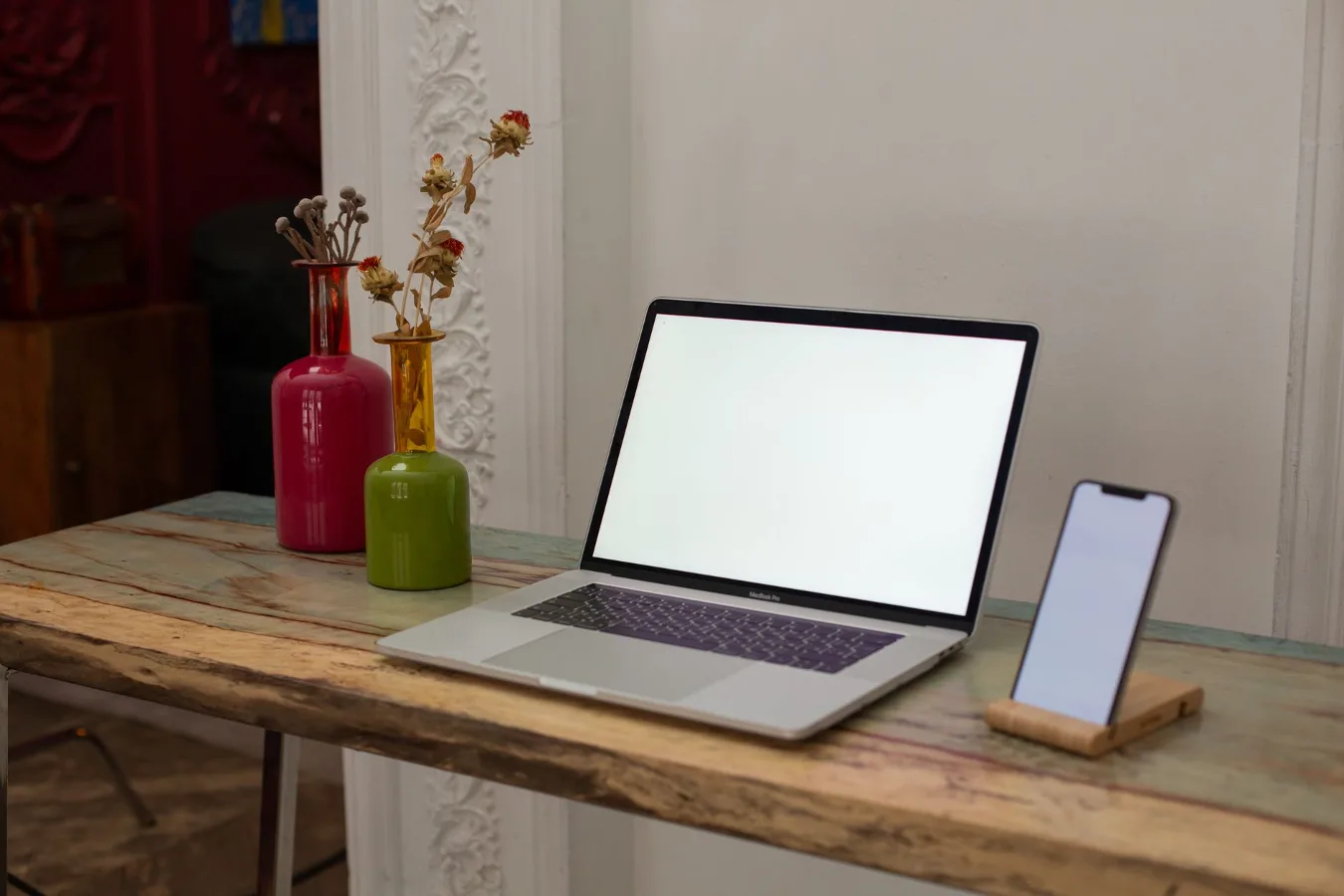
A rustic computer desk is a practical choice if you want a workspace that feels warmer and more lived-in than a standard office setup. The style usually blends wood textures, simple lines, and a slightly weathered or natural look, but the best desk for your space still depends on function first: size, storage, durability, and how comfortably it fits the way you work. desk storage options offers more detail on this point.
If you are shopping for one, start by deciding where it will live, what equipment it needs to hold, and how much visual texture you want in the room. That matters more than chasing a look alone. A rustic desk can be a strong everyday work surface, but only if the materials, layout, and finish suit your routine. how to match a desk to your room offers more detail on this point.
Who a rustic computer desk works best for
A rustic computer desk is a good fit for anyone who wants a desk that does more than look utilitarian. It works especially well in home offices that share space with a living room, bedroom, or den, where the goal is to make the desk feel like part of the furniture rather than a purely technical setup.
This style also suits buyers who prefer natural materials, visible wood grain, and a less polished appearance. If your office is decorated with farmhouse, lodge, cabin, transitional, or industrial-rustic accents, a rustic desk can tie the room together without feeling overly formal.
That said, rustic does not automatically mean practical. Some designs prioritize appearance over workspace depth, drawer layout, or cable routing. If your day involves multiple monitors, a desktop printer, notebooks, or a docking station, the shape of the desk matters as much as its style.
The first decision: style or workflow?
Many shoppers begin with the finish they like and then try to make the rest work. That can create problems later. A better approach is to choose the desk around the way you use it, then narrow the style options.
For example, a compact writing-style rustic desk may look ideal in a bedroom, but it can feel cramped if you need a laptop stand, a second screen, and room to write. A larger executive-style rustic desk can offer more surface area, but it may overwhelm a small room and block natural light. The right model is the one that supports your daily workflow without making the room feel crowded.
A common misconception is that all rustic desks are heavy, oversized, or traditional. In reality, the category includes everything from slim console-style workstations to substantial desks with drawers and hutch-style storage. The challenge is finding the version that matches your use case instead of settling for the first wood-toned option you see.
Material and build factors that matter most
Materials influence how a rustic computer desk looks, feels, and holds up over time. The most useful way to think about them is not just appearance, but how they affect stability, maintenance, and long-term value.
Solid wood
Solid wood is often the most desirable option for buyers who want a rustic look with a natural feel. It tends to show grain, knots, and variation in a way that supports the style. It can also feel sturdier and may age well if cared for properly.
The trade-off is cost, weight, and maintenance. Solid wood can be more expensive and may be more sensitive to moisture, heat, and scratches depending on the finish. If you plan to move the desk often or place it in a humid area, those factors deserve attention.
Engineered wood and veneer
Engineered wood with a rustic veneer or laminate can offer a more accessible route into the style. It often gives you the appearance of wood texture with less weight and a lower price point than solid wood. For many buyers, that is the practical choice.
The limitation is durability depends heavily on construction quality. Edge banding, hardware, and surface finish matter a lot here. A well-made engineered desk can serve a home office well, but a flimsy one may wobble, chip, or show wear sooner than expected.
Metal accents and mixed materials
Rustic computer desks often combine wood with metal legs, drawer pulls, or frame details. This can add stability and strengthen the style if you want something that leans industrial-rustic rather than purely farmhouse.
Mixed-material designs are worth considering if you want a more grounded, less delicate feel. Just make sure the metal elements do not interfere with legroom or cable access. Decorative frames can look appealing but awkward if they reduce clearance where you actually sit.
Size and layout: the overlooked factor
One of the most common mistakes is choosing a desk that looks right in photos but does not fit the room or the equipment. Rustic designs can be visually substantial, so dimensions should be checked carefully before buying.
Measure the wall space first, then think through how you will sit, store items, and move around the desk. Leave room for a chair to slide back comfortably, and consider whether nearby doors, vents, windows, or baseboards will affect placement. how to measure for a desk offers more detail on this point.
Desk depth matters just as much as width. A narrow surface may be fine for laptop-only use, but it can feel tight with a monitor, keyboard, notebook, and lamp. If you use a desktop setup, deeper surfaces are often more comfortable because they keep the screen at a more natural distance.
Height is another practical detail. Most buyers focus on style and forget that a desk should feel comfortable with their chair and posture. If the desk is too low or too high for your seated position, even a beautiful rustic finish will not make it pleasant to use.
Storage: useful or just decorative?
Many rustic computer desks include drawers, shelves, cubbies, or cabinets, but storage is not automatically useful. The best storage design depends on what you actually keep at the desk.
If you use pens, notebooks, chargers, and files every day, a couple of well-sized drawers can keep the surface cleaner and reduce clutter. If you mostly work from a laptop and keep your setup minimal, built-in storage may be less important than legroom and surface area.
Open shelving can add character and make the desk feel lighter, but it also exposes clutter. Closed storage is better if you want a calmer visual feel in a shared room. A hybrid design can be a good compromise, offering one concealed drawer for essentials and one open shelf for items you reach for often.
A practical nuance many shoppers overlook: storage can reduce usable knee space. A desk with drawers on both sides may look efficient but feel cramped if the center opening is too narrow. Always think about where your body will sit, not just where your supplies will go.
Finish, color, and the realities of daily use
Rustic desks are often chosen for their finish, but the finish should be judged by more than color. A darker stain may hide some everyday marks, while a lighter or more distressed finish can show dust and texture more clearly. Neither is better in every room.
If the desk will sit near a window, consider how much visible variation you want over time. Natural light can make grain and tone changes more noticeable. If your room already has strong textures such as brick, heavy beams, or patterned textiles, a simpler finish may keep the space from feeling too busy.
Also think about maintenance. Smooth sealed surfaces are usually easier to wipe down than deeply distressed or rough-sawn finishes. That matters if you use the desk daily for coffee, writing, crafting, or a mixed work surface.
Comfort and compatibility with your setup
A rustic computer desk should work with the rest of your setup, not fight against it. The right surface needs to support your chair, monitor, keyboard, and accessories without forcing awkward compromises.
Before you buy, think about these compatibility questions:
- Will your chair fit comfortably under the desk without hitting drawers or support bars?
- Do you need room for one monitor, two monitors, or just a laptop?
- Will a monitor stand raise the screen too high for the desk depth?
- Do you need space for a printer, speakers, or charging dock?
- Will you run cords through the back or side without clutter?
If you plan to use the desk as both a work surface and a display piece, the balance becomes even more important. A heavily styled rustic design with thick framing may look impressive but can limit flexibility. A cleaner silhouette often adapts better to changing tech setups.
Common trade-offs to expect
Rustic computer desks often ask you to choose between style, storage, and openness. The right answer depends on your room and your habits.
- More rustic character can mean more texture, but also more maintenance.
- More storage can improve organization, but reduce legroom.
- Thicker construction can feel sturdier, but take up more visual space.
- Lighter finishes can brighten a room, but may show marks sooner.
- Open designs can feel less bulky, but offer fewer places to hide clutter.
These trade-offs are normal. The goal is not to eliminate them, but to choose the version that creates the least friction in your everyday routine.
Styling a rustic desk without making the room feel dated
Rustic does not have to mean heavy or old-fashioned. A cleaner desk shape, restrained hardware, and a finish with visible grain can keep the look current while still adding warmth.
To keep the space balanced, pair the desk with pieces that soften the texture rather than compete with it. A simple task lamp, a neutral chair, and organized accessories can help the desk feel intentional. If the room already has strong rustic features, you may want the desk to be the quieter element.
If you prefer a more modern office, look for rustic elements in smaller doses: a wood top with metal legs, a subtle weathered finish, or straightforward drawer fronts. That approach gives you the warmth of rustic furniture without overwhelming the room.
Alternatives worth considering if rustic is not quite right
If you like the idea of a rustic computer desk but are unsure about committing fully to the style, there are close alternatives worth exploring.
A farmhouse desk often leans a little cleaner and lighter, especially in painted finishes. An industrial desk may use metal framing and wood surfaces with a more utilitarian feel. A simple writing desk can be a good option if you want the texture of wood without heavy storage. For small rooms, a console desk or narrow workstation may solve the space issue better than a traditional desk form.
These alternatives are useful if your priority is function first and rustic style second. They can also be easier to place in multipurpose rooms where you want the desk to blend in rather than dominate the decor.
What to check before you add one to cart
Before buying, review the details that usually separate a good rustic computer desk from one that only looks good in photos.
- Measure the room and chair clearance. Confirm width, depth, and walking space.
- Check the usable work surface. Make sure the top can handle your actual devices and daily tasks.
- Look at storage placement. Drawers and supports should not crowd your legs or cables.
- Confirm material expectations. Solid wood, veneer, and engineered wood all age differently.
- Inspect the finish style. Smooth, distressed, stained, or weathered finishes affect maintenance.
- Think about assembly and weight. A heavier desk may feel stable but be harder to move and set up.
- Review the room’s style balance. Make sure the desk complements the rest of the furniture rather than competing with it.
These checks are especially useful for online shopping, where photos can make a desk look more substantial or more refined than it will appear at home.
Next steps for choosing the right rustic computer desk
If you want a rustic computer desk that works well for years, narrow the field in this order: room size, workspace needs, storage needs, and then finish preference. That sequence prevents the most common regret, which is buying a desk that looks right but functions poorly.
For a minimal setup, look for a compact desk with a clean rustic finish and enough surface area for your laptop and essentials. For a full-time home office, prioritize depth, stability, and practical storage before decorative details. If the desk will sit in a shared room, choose a shape and finish that feel more like furniture than office equipment.
The best rustic computer desk is not the most distressed or the most decorative one. It is the one that supports your work, fits the room, and still feels good to see every day.