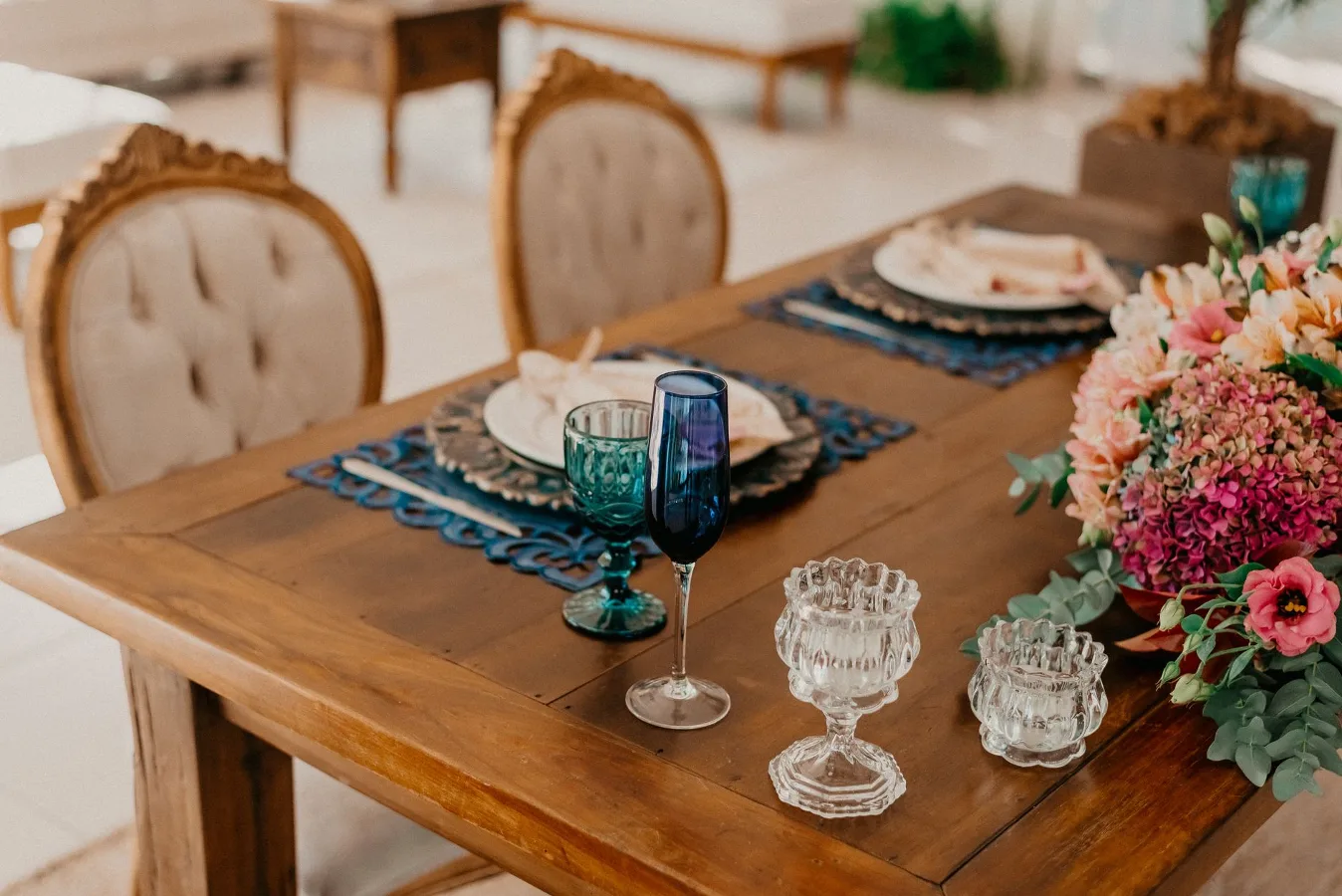
An antique dining table can do more than fill a room. It can give a dining space presence, warmth, and a sense of continuity that newer furniture often lacks. The best table for your home, however, is not simply the oldest or most decorative one. It is the one that fits your room, suits your daily use, and still makes sense as a long-term piece of furniture.
If you are browsing antique dining tables for a home in the United States, the decision usually comes down to a few practical questions: How much wear is acceptable? Is the table sized for your dining area? Does the construction look stable enough for regular use? And if the table has visible history, do you want to preserve that character or restore it more aggressively? choosing the right table size offers more detail on this point.
This guide walks through what matters most, what to look for, and where buyers often get tripped up.
Why an antique dining table matters in a room
An antique dining table changes the tone of a room in a way that mass-market pieces rarely do. The material, patina, joinery, and proportions often feel more substantial, even when the design is visually simple. For many homes, that is the appeal: the table becomes a focal point without needing extra ornament.
That said, an antique table is not automatically the best choice for every household. Older pieces may have uneven finishes, smaller dimensions than modern families expect, or signs of repair. The right choice depends on whether you value character more than perfection, and whether the table will serve everyday meals or mostly formal gatherings.
Step-by-step criteria for choosing one
1. Start with the room, not the table
Before you focus on style, measure the space where the table will live. Dining tables need room for chairs, walk-around clearance, and natural traffic flow. A table that looks beautiful in a shop can feel cramped at home if the room is tight.
Pay attention to doorways, buffets, hutches, rugs, and windows. An antique dining table often has a fixed shape and limited flexibility, so the room should adapt to it, not the other way around.
2. Decide how you will actually use it
Some antique dining tables are ideal for occasional entertaining. Others can handle daily family use if they are stable and maintained properly. Be honest about your routine. If the table will face homework, spills, hot dishes, and frequent cleaning, durability and finish condition matter more than decorative detail.
If the table will be a formal centerpiece used less often, you may be able to accept more delicate surfaces, unusual proportions, or a finish that is best preserved rather than heavily worked.
3. Inspect construction, not just appearance
A table can look charming and still be structurally weak. Look for signs that the base is solid, the top sits level, and the joints feel secure. Older furniture often uses traditional joinery, which can be a strength, but age also brings loosening, shrinkage, and past repairs.
Common points to check include:
- legs that wobble or lean
- gaps at joints
- cracks in the top
- evidence of past patching or filling
- uneven drawer function, if the table has one
- stretchers or support pieces that have shifted
Minor imperfections are normal. Structural instability is a different issue, especially if the table will be used regularly.
4. Look closely at the surface and finish
One of the most overlooked considerations is the finish itself. A surface with honest age can be desirable, but a finish that is heavily damaged, sticky, uneven, or poorly repaired can make everyday use frustrating. You want to understand whether the table has a stable patina, a worn but serviceable finish, or a surface that may need professional attention.
Be careful with the assumption that refinishing is always the answer. A full refinish can remove character, alter value, and sometimes expose repairs that were visually hidden before. In some cases, gentle cleaning and targeted conservation are the better path.
5. Match style to the rest of the home
Antique dining tables are versatile, but they are not universal. A formal pedestal table can feel elegant in a traditional dining room, while a farmhouse-style trestle table may suit a more relaxed setting. The table should coordinate with the architecture and the surrounding furnishings without looking forced. dining tables with glass offers more detail on this point.
Mixing old and new is often the most effective approach. Modern chairs, updated lighting, or a contemporary rug can keep an antique table from feeling overly period-specific. The goal is not to make the room look like a museum.
Examples of common antique dining table styles
You do not need to memorize furniture history to shop intelligently, but it helps to recognize broad style families. Some are more formal; others are more practical. Some favor graceful lines, while others emphasize sturdiness.
- Farmhouse and trestle tables: often favored for their relaxed scale and sturdy base.
- Pedestal tables: useful in smaller dining areas and visually lighter than many leg tables.
- Rectangular side tables: common in formal rooms and more straightforward to place against wall constraints.
- Drop-leaf tables: helpful if flexibility matters, though they may not suit large gatherings.
- Round antique tables: encourage conversation and can work well in compact spaces.
Style alone should not drive the decision. A beautiful shape that does not suit your room or seating plan quickly becomes inconvenient.
One practical question buyers often miss
An antique dining table may have charm, but can it work with modern chairs? This is an easy detail to overlook. Seat height, apron height, leg placement, and table clearance all affect comfort. A table with a low apron may feel elegant, yet it can limit chair options. A table with bulky corner legs can crowd guests at the ends.
If you already own chairs, test the relationship between chair arms, seat height, and the underside of the tabletop. If you are buying both pieces, think about the set as a system rather than separate items.
What condition is acceptable, and what is not
Condition is where a lot of antique buyers make emotional decisions. Some wear is part of the appeal. In fact, a table that looks too perfect may have been over-restored, altered, or stripped of its original finish history. On the other hand, visible age should not mean ignoring damage.
A useful distinction is between character wear and functional problems.
Usually acceptable
- light surface scratching
- patina and color variation
- minor finish wear at edges
- small old repairs that are stable
- slight unevenness consistent with age
More concerning
- persistent wobble
- open cracks that continue to move
- water damage that affects structure
- evidence of major warping
- unfinished or poorly matched repairs
The more you expect to use the table every week, the less forgiving you should be about instability and compromised surfaces.
Maintenance and care considerations
Antique wood furniture usually rewards gentle care. Harsh cleaners, soaking wet cloths, and aggressive polishes can damage a finish that has already aged for decades. Unless a specialist advises otherwise, simple dusting and careful cleaning are usually safer than elaborate upkeep routines. how to care for wood furniture offers more detail on this point.
If the table has a delicate or original finish, you may need to use coasters, placemats, and trivets more consistently than you would with a new dining table. That is not a flaw so much as a trade-off. The more original the surface, the more mindful you need to be.
Humidity and temperature changes also matter. Wood expands and contracts, and older furniture may show movement more readily than new factory-made pieces. Keeping the table in a stable indoor environment helps reduce stress on joints and panels.
Restoration versus preservation
Many people assume an antique dining table should be restored immediately if it shows age. That is not always the best move. Restoration can improve usability, but it can also erase part of the table’s identity. Preservation, by contrast, keeps more of the original surface and history intact.
A practical rule: restore only as much as the table needs to function well in your home. If the piece only needs cleaning, tightening, or minor stabilization, a full cosmetic overhaul may be unnecessary. If the surface is failing or the structure is compromised, more intervention may be justified.
This is one of the clearest decision-making insights in antique furniture buying: value is not only about appearance. It is also about how much originality survives, how much work the table still needs, and whether that work matches your budget and tolerance for upkeep.
Good alternatives if an antique table is not the right fit
Not every buyer needs a true antique. In some homes, a lookalike or related option makes more sense.
- Vintage dining tables: often easier to find in usable condition and still offer character.
- Reclaimed wood dining tables: give texture and age-inspired warmth with fewer preservation concerns.
- New tables with traditional profiles: can fit the room better if you need a specific size or finish.
- Antique-inspired reproductions: useful when you want the aesthetic but prefer lower maintenance.
These alternatives are especially worth considering if you need a larger dining surface, a specific finish, or a table that will handle heavy daily use without special care.
Checklist before you buy
Use a simple checklist before committing to an antique dining table:
- Measure the room and confirm walking clearance.
- Check whether the table fits your current or planned chairs.
- Inspect the base for wobble and joint movement.
- Look for cracks, warping, or unstable repairs.
- Evaluate whether the finish is usable as-is.
- Decide whether you want preservation, light restoration, or a full refinish.
- Think about daily use versus occasional entertaining.
- Confirm that the scale feels balanced in the room.
This simple process prevents the most common mistake: falling for a table’s look before assessing whether it truly works at home.
How to know if the table is the right one
The best antique dining table usually passes three tests. First, it fits the room without crowding movement. Second, it has enough stability and surface integrity for the way you plan to use it. Third, it offers visual character that feels worth preserving, rather than decorative interest that creates maintenance headaches.
If a table meets those needs, age becomes an asset rather than a compromise. You are not just buying furniture; you are choosing a piece that brings history into a practical part of daily life. The most satisfying tables are the ones that can do both.