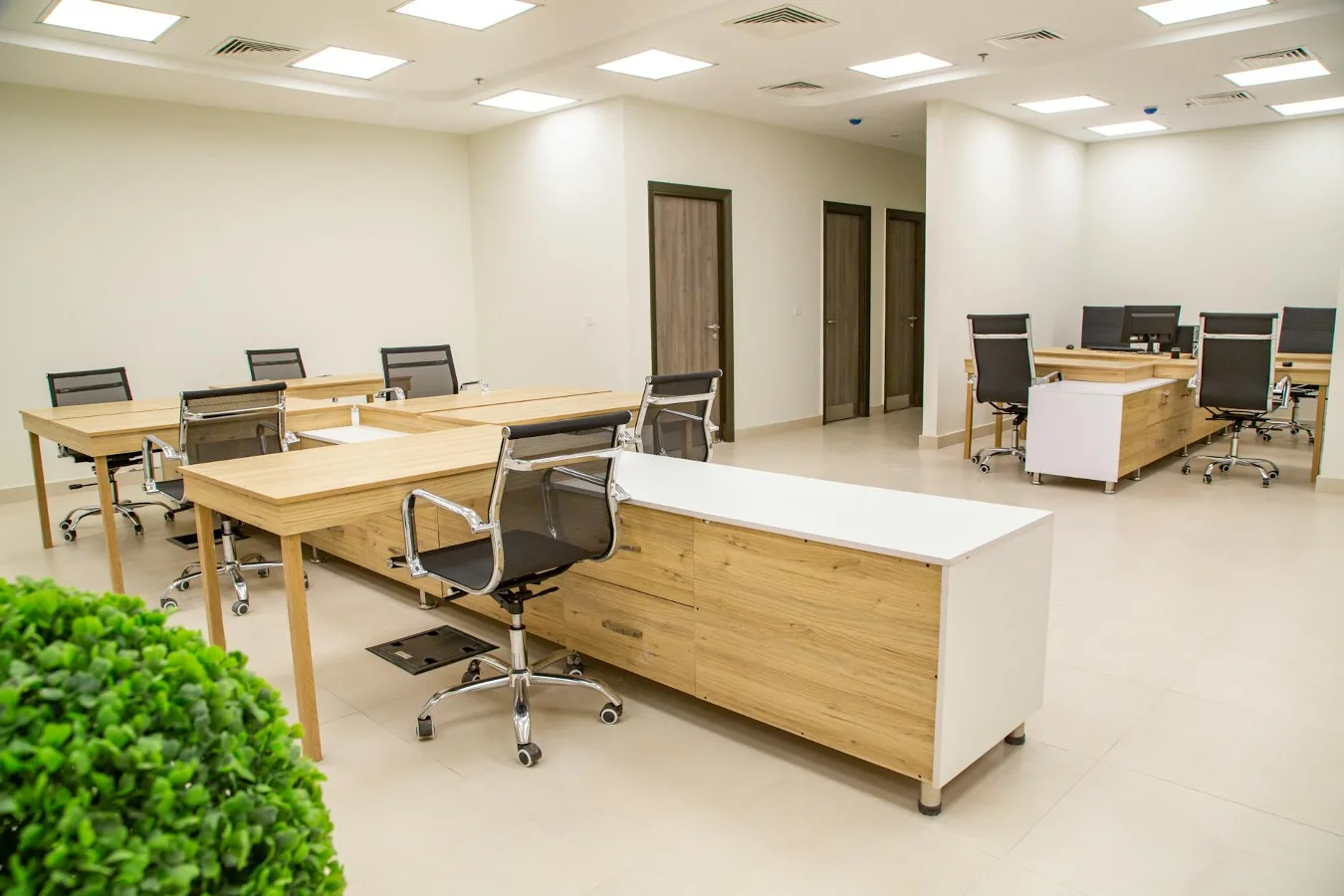
What a custom ergonomic chair is meant to solve
A custom ergonomic chair is designed to reduce the mismatch between a standard office chair and the person using it. That mismatch is the real problem for many people: a seat that is too deep, armrests that sit too high, lumbar support that lands in the wrong place, or a backrest that does not encourage a natural working posture. colamy ergonomic mesh office chair offers more detail on this point. Colamy Ergonomic Chair Buying Guide offers more detail on this point.
For U.S. home offices and workplaces alike, the goal is not a chair that looks technical. It is a chair that helps you sit with less strain for the way you work. That might mean a chair with a wider range of adjustments, a model built for a specific body size, or a made-to-order chair with selected finishes, support features, and accessories.
The best custom ergonomic chair is not always the most expensive or the most adjustable one. It is the chair that matches your body dimensions, your desk height, your task style, and the amount of time you spend seated. If those factors do not line up, even a well-reviewed chair can feel wrong within days.
The key factors that matter most
Fit comes before features
Many shoppers focus on materials or style first, but fit is the foundation. Start with seat height, seat depth, backrest height, and armrest position. If the seat is too deep, shorter users may lose back support and sit forward. If it is too shallow, taller users may feel cramped and unsupported.
A useful custom ergonomic chair should let you place your feet flat, keep your knees in a comfortable position, and allow your lower back to meet the lumbar support without forcing you into one posture. The chair should adapt to you, not ask you to adapt to it.
Lumbar support should be placed, not just present
“Lumbar support” is often treated like a single feature, but placement matters more than the label. Some chairs offer adjustable lumbar depth or height, while others have a fixed curve built into the backrest. Fixed support can work well if it matches your body; otherwise it may press in the wrong spot or disappear where you need it most.
For some users, gentle, adjustable support is better than aggressive contouring. For others, especially people who tend to slouch, a more defined back shape helps maintain a neutral position. The right choice depends on how your torso is shaped, how upright you prefer to sit, and whether you move around frequently during the day.
Seat cushion feel affects long-term comfort
Seat padding is not just about softness. A cushion that feels plush for ten minutes may become unstable over a full workday, while a firmer seat can distribute weight more evenly and hold up better over time. The best custom ergonomic chair should offer a seat that supports without creating pressure points under the thighs or near the sit bones.
Materials matter here. Foam density, seat contour, and fabric or mesh coverings all influence how the chair feels after hours of use. If you work long stretches at a desk, look for support that feels consistent rather than a surface that collapses too quickly.
Armrests should help your shoulders relax
Armrests are often overlooked until they cause problems. Too-high armrests can lift the shoulders, while fixed armrests may interfere with keyboard positioning or slide under a desk poorly. Ideally, armrests should be adjustable enough to support relaxed forearms without forcing your elbows into an awkward angle.
Some users prefer highly adjustable arms; others do better with minimal armrests or removable ones. A custom ergonomic chair should reflect that preference rather than assume one setup works for everyone.
Material choice affects feel, heat, and maintenance
Mesh, fabric, leather, and faux leather each bring trade-offs. Mesh tends to breathe better and can be helpful in warmer rooms, but it may feel firmer or less cushioned. Fabric often feels warmer and softer, with more variety in texture. Leather and leather-like materials can look polished but may require more attention to heat, wear, and upkeep.
There is no universal best material. Think about your room temperature, how long you sit, whether you want a cleaner or softer feel, and how much maintenance you are willing to accept.
How to decide what kind of customization you actually need
Not every shopper needs a fully custom-built chair. In many cases, a highly adjustable ergonomic chair offers enough personalization to solve the comfort issue. The challenge is identifying whether your problem is simple or structural.
If your discomfort changes depending on the task, the desk, or the time of day, adjustability may be enough. If you have a consistent mismatch because of body size, unique proportions, or specific comfort needs, deeper customization may be worth considering.
Choose adjustability when your needs are still flexible
An adjustable office chair is often the most practical middle ground. Look for seat height adjustment, seat depth control, adjustable lumbar support, recline tension, tilt lock, and armrest movement. These features let you fine-tune comfort without committing to a fully made-to-order build.
This route works especially well if more than one person will use the chair, or if you are still learning what settings feel best. It also makes future changes easier if your work setup evolves.
Consider deeper customization when standard sizing keeps failing
If standard chairs routinely feel too large, too small, too rigid, or too shallow, customization may be the better long-term path. This can mean selecting chair size by body dimensions, choosing optional components, or ordering specific support features. In practice, the most valuable customization is often not cosmetic. It is structural: the dimensions and support points that affect how your body sits.
A common misconception is that more customization automatically means better comfort. In reality, too many choices can lead to poor decisions if you do not know which adjustment solves the problem. Start with the seat, back, and arm support before worrying about finishes or visual design.
Real-world trade-offs to keep in mind
More adjustability can mean more complexity
A chair with many controls can be excellent, but only if you use them. Some people buy a feature-rich chair and never adjust it properly, then assume the chair itself is the problem. The learning curve matters. If a chair has multiple levers, sliders, and tension settings, make sure the setup process is clear and manageable.
For some users, a simpler chair with a few well-designed adjustments is easier to live with than a highly technical model that requires constant fine-tuning.
Soft comfort and supportive comfort are not the same
People often equate comfort with softness, but a chair that feels soft at first can create fatigue later if it fails to support your posture. Supportive comfort usually feels more neutral: less dramatic in the moment, more stable over time. That distinction matters if you sit for long stretches, focus deeply, or move between tasks without standing frequently.
A custom ergonomic chair should feel good in short sessions and remain tolerable through longer ones. If it only feels pleasant for the first ten minutes, that is not enough.
Appearance can conflict with functionality
Custom chairs often allow you to choose materials, colors, and finishes, which is useful for home offices and client-facing spaces. Still, it is easy to overprioritize style. A chair that matches your room but does not fit your body will become a bad purchase fast. In a comfort-focused category, design should support use, not replace it.
That said, a chair you like seeing every day is more likely to stay in use. The better balance is to choose a chair that meets the functional basics first, then refine the look within those limits.
Practical solutions for common comfort problems
If your lower back gets tired
Look for adjustable lumbar support, a backrest that encourages slight recline, and a seat that lets you sit far enough back for support without cutting off thigh space. If the chair’s built-in curve is too pronounced, a different back shape may be better than trying to force a fix with accessories.
If your shoulders feel elevated
Armrests are likely part of the issue. Lower them, widen them, or choose a chair with less intrusive arms. Also check desk height. Sometimes the chair is blamed when the workstation is the real source of tension.
If your legs feel compressed
Seat depth and front-edge shape matter. A seat that is too long can press behind the knees, while a hard front edge can create discomfort during long sitting periods. Taller users often need a deeper seat; shorter users may need a shallower one or a seat depth adjustment.
If you shift constantly trying to get comfortable
That usually means the chair is not matching one or more dimensions. Constant shifting can happen with poor lumbar placement, a seat that tilts you forward, armrests that crowd your posture, or a recline setting that resists natural movement. Instead of assuming you need more cushion, look for the underlying mismatch.
How to compare options without getting overwhelmed
If you are shopping for a custom ergonomic chair, narrow the field by asking a few practical questions:
- Does the chair fit my height and build, or only the average user?
- Can the seat depth, armrests, and lumbar support be adjusted independently?
- Will the materials work in my room temperature and maintenance routine?
- Is the chair meant for all-day work, short sessions, or mixed use?
- Will it fit under my desk and work with my current setup?
- Can more than one person use it comfortably if needed?
These questions keep the focus on use, not hype. They also help separate real ergonomic value from a long feature list that may not matter in practice.
Alternatives worth considering
Not every comfort issue requires a fully customized chair. Depending on your situation, one of these alternatives may be a better fit:
- Highly adjustable task chairs for users who want flexibility without a custom order
- Executive ergonomic chairs if you want more padding and a larger profile
- Kneeling chairs or other specialty seating for short, task-specific use
- Sit-stand desk pairing if the real issue is too much sitting, not chair design alone
- Seat cushions and lumbar accessories for minor fit issues on an otherwise acceptable chair
These options can be more cost-effective than custom seating, especially if your discomfort is mild or your workspace is temporary.
Common mistakes buyers make
One frequent mistake is assuming all ergonomic chairs are automatically comfortable. Ergonomics is about fit and support, not a promise of universal comfort. Another mistake is choosing a chair based on appearance, then discovering the dimensions do not suit the user.
People also underestimate how much desk height affects chair comfort. A great chair can feel wrong at the wrong desk. Likewise, some buyers focus on one feature, such as lumbar support, while ignoring seat depth or armrest placement, which may be the real source of strain.
Finally, many shoppers do not consider maintenance. A chair that is difficult to clean, adjust, or keep in good condition may become frustrating long before it wears out.
Who benefits most from a custom ergonomic chair
A custom ergonomic chair is especially useful for people whose comfort problems persist across multiple standard chairs. That includes users with unusual proportions, people who spend long periods at a desk, and anyone building a home office where seating must work for the long haul. ergonomic seating basics offers more detail on this point.
It can also make sense in shared work environments where adjustability needs to cover different body types. For some, the benefit is immediate posture relief. For others, it is the reduction of small daily annoyances that add up over time: pressure, shifting, shoulder tension, and the constant urge to readjust.
At the same time, customization is not the answer to every seating problem. If you rarely sit for long periods, a simpler chair may be enough. If your discomfort comes from workload patterns, screen placement, or poor desk ergonomics, the chair is only one part of the solution.
Making a confident final choice
The best custom ergonomic chair is the one that solves your specific fit problem with the fewest compromises. Start with body dimensions, then work outward to support, materials, maintenance, and room fit. If you can sit naturally without fighting the chair, you are close to the right answer.
For most buyers, the smartest path is to prioritize adjustability first, deep customization second, and aesthetics last. That order helps you avoid a chair that looks premium but never truly works for the way you sit.
If you are comparing options, focus less on the word “ergonomic” and more on the actual mechanics of comfort: support, alignment, adjustability, and daily usability. That is where the real value of a custom chair appears.