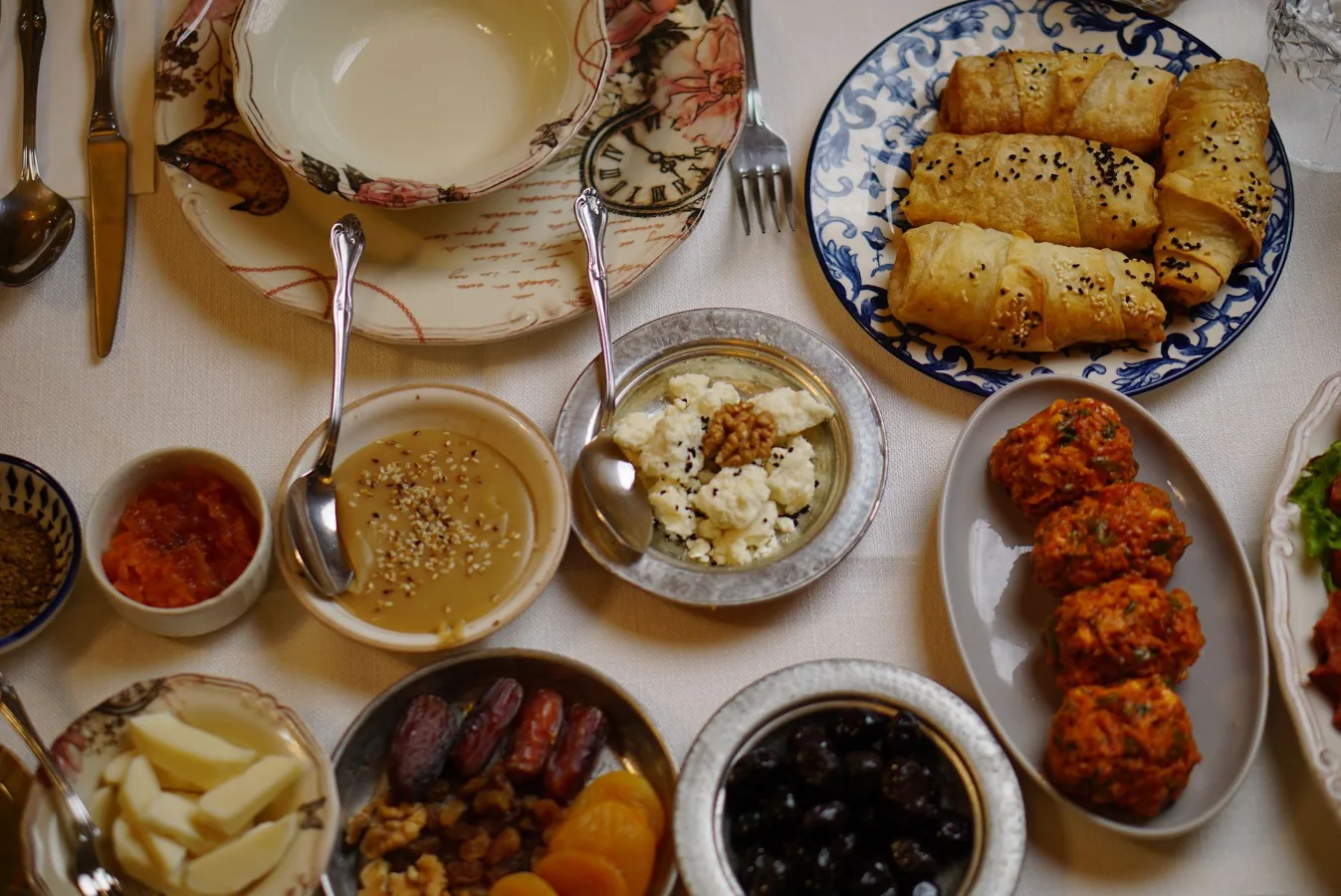
A walnut dining table is a strong choice if you want a dining surface that feels warm, grounded, and visually rich without looking overly formal. Walnut works well in both contemporary and traditional rooms, but the best table is not just about appearance. Size, construction, finish, and the way you plan to use the table will matter just as much. pedestal dining table offers more detail on this point. Oak Dining Table and Design Guide offers more detail on this point.
If you are shopping for a walnut dining table, start with one practical question: how will the table be used day to day? A table for family meals, homework, and occasional entertaining has different priorities than one used mainly for formal dinners. That distinction helps you decide between solid wood and veneer, round and rectangular shapes, and more delicate or more forgiving finishes.
When a walnut dining table makes the most sense
Walnut is often chosen for its color variation and distinctive grain. In a dining room, that usually creates a sense of depth that lighter woods do not always provide. It can soften a space with a lot of hard edges, and it pairs well with a wide range of chair materials, including upholstered, leather, metal, and mixed-material designs.
This type of table tends to make the most sense if you want:
- a natural wood look with more visual character than painted finishes
- a table that feels versatile across different interior styles
- an option that can look elevated without being ornate
- a surface that works in both everyday dining and entertaining spaces
Walnut is especially appealing in homes that already use neutral walls, stone, linen, black metal, brass accents, or textured fabrics. It can also help a dining area feel more defined in an open-plan layout. The color is rich enough to stand out, but not so bold that it overwhelms the room.
Step-by-step criteria for choosing the right one
1. Start with room size and circulation
Before style details, measure the space. A dining table needs more than just a footprint; it also needs comfortable clearance for chairs and movement around the table. If the table is too large, the room can feel cramped no matter how attractive the wood is. If it is too small, the room may feel unfinished and seating will be limited.
Think about how people move through the area, where chairs will be pulled out, and whether the table must share space with a walkway, buffet, or kitchen passage. In smaller rooms, a round or oval walnut dining table may feel easier to live with than a large rectangle. In longer rooms, a rectangular shape often fits more naturally.
2. Choose the right table shape for the way you use it
The shape should support the way the room functions, not just the style you like. A rectangular table is the most familiar choice and usually gives the most efficient seating for longer rooms. A round table can make conversation easier and reduce visual bulk. An oval table offers a softer profile while still stretching seating capacity in a more flexible way.
There is also a practical misconception worth challenging: a larger table is not automatically better for entertaining. If the table is too deep or too long for the room, it can make serving awkward and reduce the comfort of guests. The right shape should balance seating, traffic flow, and how easily people can reach dishes or centerpieces.
3. Decide between solid walnut and walnut veneer
This is one of the most important buying decisions, and it is easy to overlook because both options can look attractive. Solid walnut offers the full depth of the wood material, while walnut veneer uses a thin layer of walnut over a core material such as engineered wood or plywood.
Solid wood is often appealing for its traditional feel and refinishing potential, but it can also be more sensitive to changes in humidity and temperature. Veneer can be a smart choice if you want a more budget-conscious option or a table that may be more dimensionally stable, depending on how it is built. The key is not to assume one is always superior. The better choice depends on construction quality, intended use, and the level of care you are willing to provide.
4. Look closely at the finish
The finish affects both appearance and maintenance. A matte or natural-looking finish tends to show walnut grain in a quieter, more understated way, while a glossier finish reflects more light and can read as more formal. Some finishes may make scratches and fingerprints more noticeable, especially on darker surfaces.
If the table will be used daily by children, for casual meals, or in a busy household, a finish that is easier to wipe down and less fussy to maintain is often the better practical choice. A highly polished surface may look elegant in photos, but it can demand more frequent attention in real use.
5. Match the base to the room and seating plan
The base is more than a design detail. It affects legroom, chair placement, and how the table feels in the room. Trestle bases can offer a strong, architectural look, while pedestal bases may make it easier to fit more chairs around a round or oval table. Four-leg designs are familiar and often flexible, but leg placement can interfere with seating if the proportions are not well considered.
This is a common place where buyers focus too much on tabletop appearance and not enough on function. A visually appealing base can still be inconvenient if it blocks knees, limits chair spacing, or makes it hard to seat guests comfortably.
6. Think about the chairs that will go with it
A walnut dining table is easiest to live with when the chairs are planned alongside it. Chair height, arm style, and visual weight all matter. Low-profile chairs can keep the look light. Upholstered chairs may create a softer, more formal mood. Metal or leather chairs can introduce contrast and help the table feel more contemporary.
If the table has a visually strong grain or a darker tone, pairing it with overly heavy chairs can make the dining room feel dense. On the other hand, pairing it with chairs that are too delicate may look underpowered. The most balanced combinations usually repeat at least one visual cue, such as a black frame, warm neutral upholstery, or rounded edges.
Examples of walnut dining table styles
Modern minimalist
A modern walnut dining table usually has a clean silhouette, slim edges, and little ornamentation. This style works well in apartments, open-plan living areas, and homes that already lean toward minimal furniture. The appeal is restraint: the wood itself provides the visual interest.
Mid-century inspired
Mid-century styles often feature tapered legs, simple geometry, and a warm, approachable profile. They are a strong fit for buyers who want walnut furniture with recognizable character without moving into a rustic or traditional look.
Farmhouse or casual rustic
Walnut can be used in farmhouse-inspired spaces, though the result usually feels more refined than reclaimed or distressed woods. A thicker top or a more substantial base can give the table presence, but the overall design should still feel balanced rather than heavy.
Round or oval for smaller dining areas
In smaller rooms, round and oval walnut dining tables can reduce visual clutter and create a softer flow. They also help conversations feel more inclusive because people can see each other easily. The trade-off is that they usually provide less edge seating than a rectangular table of similar size.
What to check before you buy
- Dimensions: make sure the table fits the room with enough clearance for chairs and movement.
- Construction: review whether it is solid walnut, walnut veneer, or a mixed construction.
- Finish type: consider how much maintenance the surface will require.
- Edge profile: rounded edges can feel softer and more family-friendly, while sharper lines look more formal.
- Base design: confirm that the base will not interfere with legroom or seating.
- Style compatibility: check how the table works with flooring, lighting, and nearby furniture.
- Daily use: think about spills, cleaning habits, and whether the table will see heavy everyday use.
Common mistakes to avoid
One mistake is buying based on finish samples alone. Walnut can look different in a showroom, in daylight, and under warm indoor lighting. The tone may also shift depending on adjacent flooring and wall colors, so it helps to think about the room as a whole rather than the table in isolation.
Another common mistake is choosing a table that is visually beautiful but difficult to maintain for your lifestyle. If you prefer low-effort cleaning, a highly delicate finish or an overly dramatic form may become frustrating over time. Likewise, a table that looks substantial in a large showroom may feel too imposing once placed in a smaller home.
Buyers also sometimes overlook how the table will age alongside other furniture. A walnut dining table can anchor a room well, but it should still relate comfortably to cabinets, sideboards, shelving, and flooring. If everything in the room is dark and heavy, the result can feel closed in. If everything is pale and airy, the walnut may become the only strong visual element, which can work well if that contrast is intentional.
How walnut compares with other common dining table looks
Compared with oak, walnut is usually read as richer and deeper in tone. Compared with ash or maple, it often feels more dramatic and refined. Compared with painted tables, it usually offers more natural variation and long-term visual depth.
That said, walnut is not automatically the right answer for every home. If you want a lighter, brighter dining room, a pale wood may be easier to live with. If you need a highly casual, weathered look, a rustic finish may better suit the room. A walnut dining table works best when you want warmth and sophistication without making the table the loudest object in the room.
Care and maintenance considerations
Walnut furniture generally benefits from steady, uncomplicated care. Use the cleaning guidance that comes with the table, because finishes can differ. In practical terms, the table should be protected from unnecessary moisture, excessive heat, and abrasive cleaning habits. Coasters, placemats, and trivets can help preserve the surface in everyday use. finishes for everyday furniture use offers more detail on this point.
If you choose solid walnut, you may also want to think about how the material responds over time in your climate. Homes with significant seasonal changes can put stress on wood furniture, so a stable indoor environment helps. Veneered tables may reduce some movement-related concerns, but they still deserve careful use.
A useful mindset is to treat the table as both a design piece and a working surface. The more often it will be used for family meals, homework, games, and remote work, the more important durability and easy maintenance become.
Who a walnut dining table is best for
A walnut dining table is a strong fit for shoppers who want a table with presence but not excess decoration. It suits people who value natural materials, warm tones, and furniture that can move between casual and more polished settings. It also works well for buyers who want a long-term dining anchor and are willing to choose carefully on construction and finish instead of chasing the most dramatic style.
It may be less ideal if you want the lowest-maintenance possible surface, prefer very light and airy interiors, or need a table that can tolerate rough treatment without much care. In those cases, another wood tone or material may be a better practical match.
Quick checklist before purchasing
- Measure the room and confirm clearance on all sides.
- Decide whether you need round, oval, or rectangular seating flow.
- Choose solid walnut or veneer based on use, care, and budget priorities.
- Check the finish for fingerprint visibility and maintenance needs.
- Make sure the base supports comfortable legroom.
- Coordinate the table with your dining chairs and nearby storage.
- Consider how the table will look under your home’s lighting.
- Think about whether the table needs to serve everyday family use, entertaining, or both.
FAQ
Is a walnut dining table good for everyday use?
Yes, provided the construction and finish suit the way you live. For daily use, focus on durability, ease of cleaning, and a base design that does not get in the way of seating.
Is solid walnut better than walnut veneer?
Not always. Solid walnut can offer a traditional feel and refinishing potential, while veneer can be a practical choice if it is well made and better aligned with your budget or stability needs.
What chairs go best with a walnut dining table?
There is no single best match. Upholstered chairs soften the look, leather adds contrast, and metal frames can make the table feel more modern. The best choice depends on the overall room style and the table’s shape.
Does walnut work in small dining rooms?
Yes, especially in smaller round, oval, or slimmer rectangular designs. The darker tone can still work well if the rest of the room has enough light and visual breathing room.
How do I keep a walnut table looking good over time?
Use the care directions provided for the specific finish, avoid harsh cleaners, and protect the surface from heat and moisture. Regular, gentle maintenance is usually more effective than occasional aggressive cleaning.