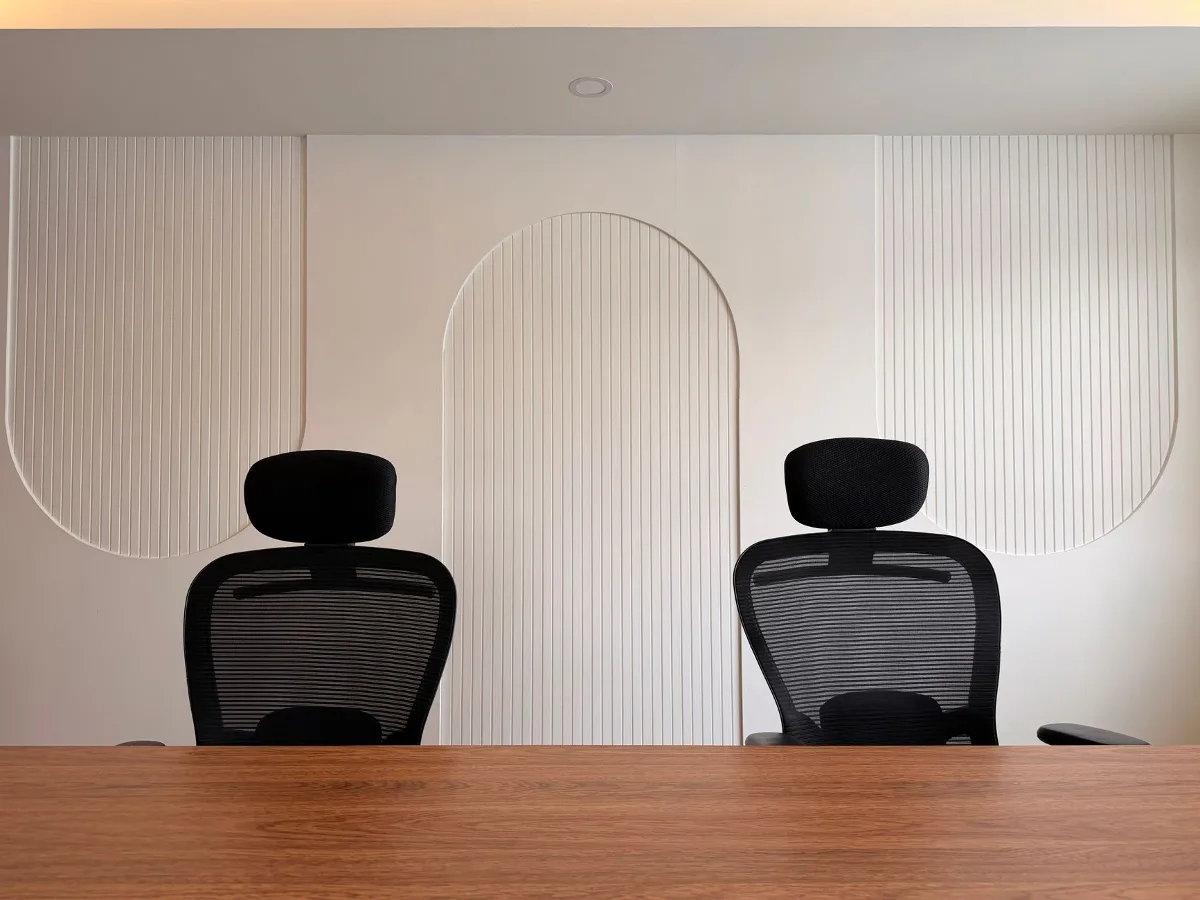
Dining chair ergonomics matters any time a chair is used for more than a quick meal. A well-designed dining chair helps you sit upright without strain, keeps your feet grounded, and makes it easier to stay comfortable through dinner, conversation, homework, or work-from-home tasks at the table. comfortable dining chair options offers more detail on this point. ergonomic musician chair offers more detail on this point.
The short answer: the most ergonomic dining chair is the one that fits both your body and your table. Seat height, seat depth, back support, and seat shape do more for comfort than style alone. A chair can look elegant and still feel awkward if it forces your knees up, leaves your lower back unsupported, or makes you perch at the edge of the seat. dining room chair back support offers more detail on this point.
When dining chair ergonomics matters most
Not every dining setup needs the same level of support. Ergonomics becomes more important if your dining table doubles as a desk, your meals tend to run long, or someone in the household has back, hip, or knee sensitivity. It also matters more in open-plan homes where dining chairs are used throughout the day rather than only at formal meals.
For a rarely used guest dining room, aesthetics may carry more weight. For a family kitchen table, comfort and fit usually matter more because the chairs are in constant use. That difference is easy to overlook. A chair that seems fine for ten minutes can become frustrating during a long conversation or a weekend board game.
The core fit factors that shape comfort
Good dining chair ergonomics is less about one feature and more about how several features work together.
Seat height
Seat height should let you sit with your feet flat on the floor and your thighs supported without pressure at the back of the knees. If the chair is too tall, your feet may dangle or you may feel pushed forward. If it is too low, you may sink too deeply relative to the table and feel cramped.
The chair should also work with your table height. A comfortable dining setup usually leaves enough space between the seat and the underside of the table for your legs to move freely. If the match is off, even a well-padded chair can feel wrong.
Seat depth
Seat depth affects how the chair supports your thighs and lower back at the same time. A seat that is too deep can press into the back of the knees or force shorter users to sit forward without back support. A seat that is too shallow may feel unstable and unsupportive.
For many people, the right seat depth allows the backrest to contact the lower back while leaving a small gap behind the knees. That balance is what keeps a dining chair comfortable beyond a quick sit-down.
Backrest shape and angle
Dining chairs are usually more upright than lounge chairs, and that is intentional. A dining chair should encourage a relaxed but alert posture rather than a reclined one. The backrest should support the lower to mid-back without forcing the body into a rigid position.
A slightly contoured back can feel more supportive than a flat board, but the best design depends on the person and the time spent seated. For very short meals, a simple upright back may be enough. For longer sitting, a shaped backrest often feels better.
Seat surface and edge design
The seat surface influences how pressure is distributed across the hips and thighs. A hard wooden seat may suit some users and look appropriate in certain interiors, but it can feel less forgiving over time. Upholstery can improve comfort, though cushioning that is too soft may reduce support and make it harder to sit upright.
Seat edge design matters too. A front edge that is sharply squared off can press into the thighs. A gently rounded front edge is often more comfortable, especially for longer meals.
How to judge a dining chair before buying
If you are comparing chairs for comfort, focus on fit first and finish second. Styling matters, but it should not disguise poor proportions.
Use the table-chair relationship as your starting point
Many comfort problems begin with poor coordination between the table and the chair. Before choosing a style, think about how the chair will sit under your existing table and how much clearance your legs need. A beautiful chair that looks proportioned in a showroom may feel cramped in your actual room.
If you already own the table, measure carefully and check how much space remains between the seat and the tabletop. If you are buying both, consider them as a pair rather than separate purchases.
Think about the main users
The ideal chair for one person may not work well for everyone at the table. Taller users may want more seat depth and a higher back. Shorter users often need a lower seat or a shallower seat pan so they can sit back comfortably. Someone with mobility concerns may prefer armrests or a more stable chair frame, while a child-focused household may need easy-clean surfaces and a shape that supports smaller bodies.
This is where a common misconception appears: a chair is not ergonomic just because it feels soft. True comfort comes from support, fit, and posture, not padding alone.
Check how the chair supports movement
Dining seating should allow small posture changes. People naturally shift during a meal, lean forward while cutting food, and relax during conversation. A chair that locks the body into one position can feel tiring, even if it seems supportive at first.
Look for a stable frame, enough width to sit naturally, and a seat shape that does not force pressure into one point. Subtle movement is part of comfort.
Examples of ergonomic dining chair styles
Different dining chair styles solve comfort in different ways. None is universally best, but some are easier to live with in certain settings.
Upholstered dining chairs
Upholstered chairs often feel softer and more forgiving, especially for longer meals. They can be a good choice if you value comfort and the chair will get frequent use. The trade-off is maintenance: fabric may stain more easily, and some cushions compress over time.
These chairs work well in formal dining rooms and family spaces where comfort matters more than wipe-clean simplicity.
Wood dining chairs
Wood chairs can be supportive and visually light, and they often fit a range of interiors. They may feel firmer than upholstered options, which some people prefer for upright posture. The downside is that hard seats can become uncomfortable during long use unless the shape is thoughtfully designed or a cushion is added.
For people who like a clean, simple look and use the dining area for shorter meals, wood chairs can be practical.
Dining chairs with armrests
Armrests can improve comfort and make a chair feel more substantial, but they also affect clearance and how easily the chair slides under the table. In tighter spaces, armchairs can be inconvenient. In a room with enough space, they may offer a more relaxed sitting experience.
They are often useful for older adults or anyone who appreciates extra support while sitting down or standing up.
Curved or contoured chairs
Some chairs use subtle shaping in the seat or back to improve support without adding bulk. These designs can feel more refined than visibly cushioned chairs while still addressing pressure points. They are worth considering if you want the room to feel uncluttered but still comfortable.
Trade-offs worth weighing
Dining chair ergonomics is always a balancing act. More comfort can mean more visual weight, more maintenance, or less flexibility around the table.
- Softness vs. support: Deep cushioning may feel inviting, but too much softness can reduce posture support.
- Style vs. fit: A sculptural chair can look impressive while offering less practical comfort than a simpler design.
- Easy cleaning vs. tactile comfort: Wipe-clean surfaces are practical, but they may not feel as inviting for long seating periods.
- Compact size vs. lounging comfort: Slim chairs save space, though they may sacrifice back and seat support.
- Armrests vs. flexibility: Arms add comfort, but they can make seating arrangements harder in small dining rooms.
These trade-offs are normal. The right answer depends on whether the chair will be used mainly for quick meals, daily family use, or longer sitting sessions.
Common mistakes people make when choosing dining chairs
One of the biggest mistakes is choosing chairs by appearance alone. Another is ignoring how the chair works with the table and the room layout. A chair can be comfortable in isolation and still fail in context.
Other frequent mistakes include:
- buying chairs that are too tall or too low for the table
- choosing a seat that is too deep for shorter users
- assuming thick cushioning automatically means better ergonomics
- overlooking how easy it is to get in and out of the chair
- forgetting about maintenance, especially for fabric or light-colored upholstery
- picking a wide chair that reduces elbow room around the table
One practical nuance is that comfort can change once several chairs are placed together. A chair that feels roomy alone may feel cramped when set side by side. That is especially relevant for smaller dining rooms and apartment layouts.
A simple checklist for better dining chair ergonomics
Use this checklist to narrow down options before you buy.
- Does the seat height allow feet to rest naturally on the floor?
- Does the chair work with the height of your table?
- Can the user sit back fully without pressure behind the knees?
- Does the backrest support the lower back in a comfortable way?
- Is the seat comfortable for the expected length of use?
- Can the chair slide under the table without awkward clearance issues?
- Is the material appropriate for your cleaning and maintenance needs?
- Will the chair fit the room without crowding movement around the table?
- Does the shape suit the people who will use it most often?
If a chair fails on several of these points, it is usually better to keep looking. Ergonomic comfort rarely comes from one standout feature.
Practical alternatives if a chair is close but not quite right
Sometimes the best option is not a different chair, but a better setup. Seat cushions can improve firmness or slightly adjust comfort, though they do not fix poor height or depth. A back cushion can add support if the chair back is too flat. In some cases, choosing a different table height or a different chair style is the more effective solution.
Bench seating is another alternative in some dining spaces, especially when flexibility matters. It can save room, but it usually offers less individual support than a well-fitted chair. Stools can also work in casual settings, though they are typically less supportive for long meals.
What to remember before you choose
Dining chair ergonomics is about fit, posture, and real-life use. The best chair is not simply the softest or the most expensive. It is the chair that supports the body in a natural position, suits the table, and works for the people who will use it every day.
If you want the most reliable path, start with seat height and depth, then look at back support, seat shape, and maintenance. Style can refine the choice, but comfort should lead it.