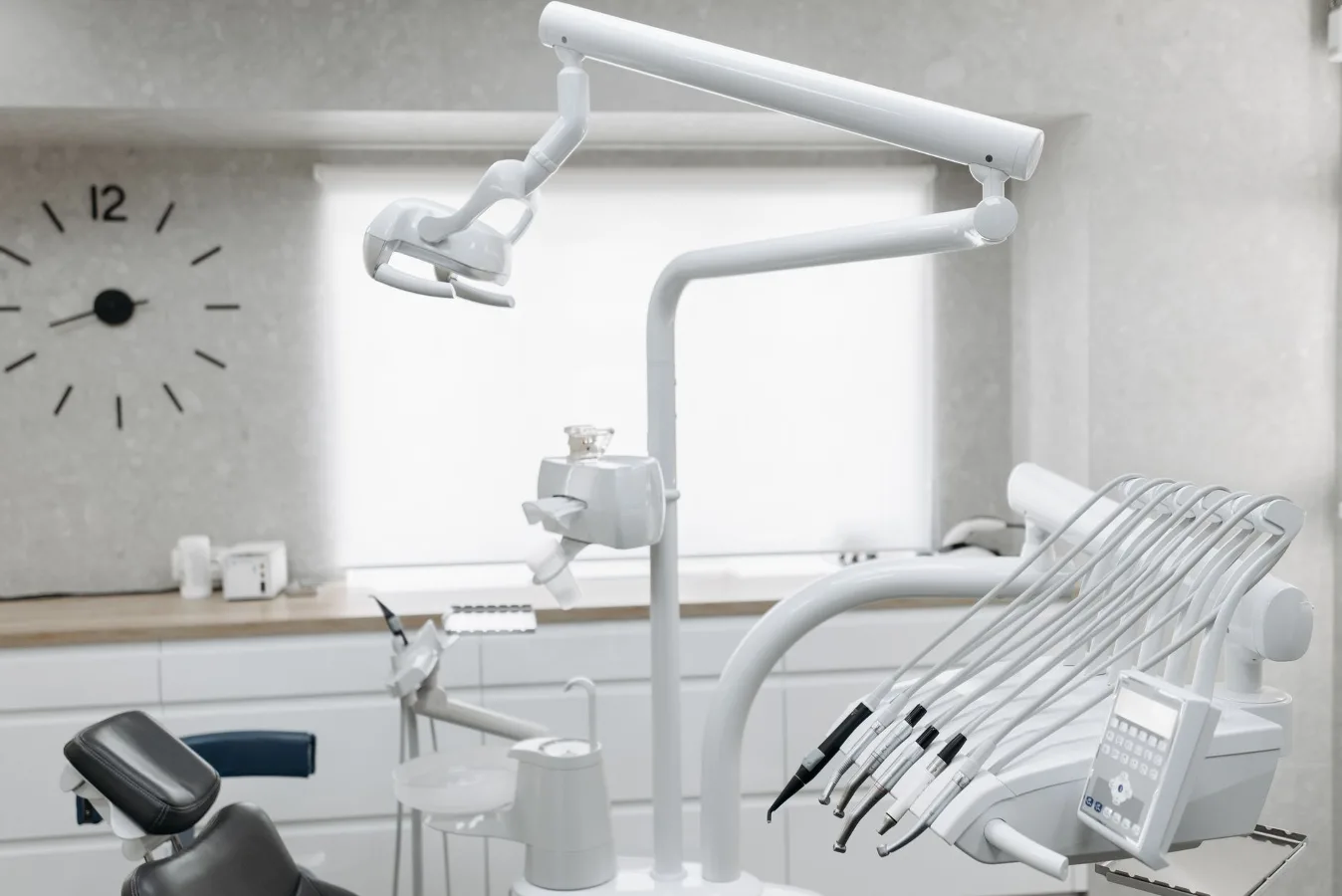
Why an ergonomic dental chair matters
An ergonomic dental chair is designed to support two things at once: the patient’s comfort and the clinician’s working position. That dual purpose is what separates it from a chair that simply reclines. In a dental operatory, small design choices can affect neck strain, shoulder reach, patient access, and how smoothly the room functions during routine procedures. dental office comfort essentials offers more detail on this point.
For buyers, the real question is not just whether the chair looks comfortable. It is whether it supports the way the practice actually works. A chair that feels soft but limits access, or one that is easy to clean but awkward to adjust, can create problems every day. That is why ergonomic value should be judged as a balance of comfort, positioning, durability, and workflow.
If you are comparing options for a new operatory or replacing older equipment, the best ergonomic dental chair is usually the one that helps the team work in a neutral posture while keeping patients steady, supported, and easy to position.
What to look for first
The most important ergonomic features are the ones that affect positioning and access. A comfortable surface matters, but it should not come at the expense of adjustability or operator reach. For most buyers, the core evaluation points are the following.
Patient positioning and stability
A good dental chair should move smoothly into common treatment positions and hold them without fuss. Patients should feel supported whether they are seated upright, partially reclined, or fully positioned for treatment. Head support is especially important because it affects both comfort and access. A headrest that adjusts easily and stays in place can make a noticeable difference during longer appointments.
Stability is just as important as softness. If a chair shifts, dips unevenly, or feels inconsistent when adjusted, that can make patients uneasy and complicate the clinician’s setup.
Access for the dental team
Ergonomics is not only about the patient. The chair should allow the dentist and assistant to work without excessive leaning, twisting, or reaching. Armrest placement, backrest shape, base design, and how far the chair can lower all affect access around the head and oral cavity. In a tight room, a chair that looks compact on paper may still create awkward working angles if the base blocks leg space or instrument positioning.
A common misconception is that a more padded chair is automatically more ergonomic. In practice, a bulky chair can reduce access and force awkward posture, which works against the entire point of ergonomic design.
Adjustability that is simple enough to use daily
The best adjustments are the ones staff will actually use. If the controls feel complicated, too stiff, or poorly placed, the chair may stay in one compromise position all day. That can reduce comfort and make the workflow less efficient. Look for easy, intuitive movement between positions and controls that fit the pace of a busy treatment room.
Comfort features that are worth paying attention to
Not every comfort feature has the same value. Some details help patients feel more relaxed without getting in the way of treatment, while others may be more decorative than useful. A thoughtful buyer should focus on the features that support longer visits, different body types, and simpler room turnover.
Cushioning and upholstery
Cushioning affects comfort, but the right level depends on how the chair is used. Very soft padding may feel pleasant at first, yet it can create a less stable feel for some patients. Firmer support can sometimes work better in a clinical setting because it helps the body stay positioned consistently.
Upholstery should also be easy to maintain. In a dental environment, surfaces need to stand up to frequent cleaning and routine wear. Materials that are easy to wipe down and resist visible aging are practical advantages, especially in high-use practices.
Headrest design
A well-designed headrest is one of the most practical ergonomic features in a dental chair. It should support a range of patient heights and allow the clinician to position the head without strain. A poorly placed or hard-to-adjust headrest can make a simple procedure more difficult than it needs to be. ergohuman leather-gen2 ergonomic chair with headrest offers more detail on this point.
For practices serving a broad mix of patients, versatility matters. Children, taller adults, older patients, and people with limited mobility do not all sit the same way, so the chair should accommodate those differences without requiring improvised workarounds.
Armrests and transfer support
Armrests can improve patient confidence and help with sitting down or standing up, but they should not block access when the treatment begins. Some chairs use movable armrests or designs that make lateral transfer easier. That can be especially helpful for patients who need extra support or prefer a more stable entry and exit.
This is an overlooked detail in many buying decisions. A chair may seem comfortable in a showroom, but if the armrest layout slows patient transfer or limits clinical access, it can become a daily annoyance.
Practical factors that shape real-world use
Once the comfort basics are covered, the next step is to think about how the chair will perform inside the actual operatory. This is where many buyers uncover trade-offs that are easy to miss during a quick review.
Room size and placement
Ergonomic chairs do not exist in isolation. They need enough surrounding space for the dentist, assistant, delivery systems, lighting, and cabinetry. A chair that is comfortable but too large for the room can make movement awkward and reduce access. If the treatment room is compact, pay close attention to the footprint, base shape, and how the chair positions when fully reclined.
Some chairs are designed to save space or improve side access, which can be useful in smaller operatories. The trade-off is that a space-saving design may have fewer comfort extras or less generous padding. The best choice depends on whether the priority is maneuverability, patient luxury, or a balanced middle ground.
Workflow and chair movement
A chair should help the team move through an appointment efficiently. Smooth transitions between entry, treatment, and exit positions reduce interruptions and make the room easier to manage. If a chair takes too long to adjust or requires frequent manual correction, that can slow the pace of the day.
Workflow also includes visibility and reach. A chair that positions the patient well for the clinician may reduce the need for awkward posture. That benefit is easy to overlook because it does not show up as a visible feature, but it matters every time the chair is used.
Cleaning and maintenance
Maintenance is part of comfort because a chair that is difficult to clean quickly becomes less practical. Smooth upholstery, accessible seams, and surfaces that do not trap debris are all worth considering. Practices that prioritize efficiency often do better with materials and finishes that support easy daily cleaning without special handling.
It is also worth thinking about long-term wear. A chair that looks refined at installation may age poorly if the material shows cracking, staining, or seam stress early. Durability is not just an equipment issue; it affects how the chair feels to patients and how well the practice presents itself over time.
How to compare ergonomic dental chair options
When you are comparing models, avoid judging them by one feature alone. The best decision usually comes from weighing several factors together and identifying which trade-offs are acceptable for your practice.
| Factor | Why it matters | What to watch for |
|---|---|---|
| Adjustability | Affects positioning for different procedures and patient sizes | Controls that are hard to reach or too complicated |
| Patient support | Improves comfort during longer visits | Padding that is too soft or unstable |
| Operator access | Helps maintain better posture and reach | Armrests or bases that block movement |
| Room fit | Determines whether the chair works in the available space | A bulky footprint in a compact operatory |
| Maintenance | Affects long-term practicality and cleanliness | Materials that are difficult to wipe down or prone to visible wear |
This kind of comparison is more useful than asking which chair is “best” in the abstract. A chair can be excellent for one practice and frustrating for another depending on room size, patient mix, and treatment style.
Common mistakes buyers make
One of the biggest mistakes is focusing too heavily on appearance. A chair can look premium and still be awkward in daily use. Another common error is assuming more padding equals more comfort. Comfort in a clinical chair is about support, posture, and positioning, not just softness.
Buyers also sometimes overlook the needs of the dental team. If the chair is chosen mainly around patient preference without considering access and posture, the result can be a more tiring workday for staff. Over time, that can matter more than a small difference in upholstery feel. what to look for in chair upholstery offers more detail on this point.
Another practical mistake is ignoring how the chair will fit the rest of the room. A good ergonomic chair should work with the delivery system, lighting, cabinetry, and pathways in the operatory. If those pieces fight each other, the room becomes less efficient no matter how comfortable the chair seems on its own.
When a different style may be the better choice
An ergonomic dental chair is a strong fit for many practices, but it is not automatically the right answer in every setting. Some clinics may prioritize a different balance of features.
If your main challenge is space, a more compact operatory chair may be more useful than a heavily cushioned model. If infection control and routine cleaning are top priorities, simple upholstery and fewer decorative details may be preferable. If you treat patients who need extra mobility support, transfer-friendly design and armrest layout may matter more than luxury padding.
For some buyers, the best alternative is not a different chair category but a different configuration. The right headrest, upholstery, base style, or positioning system can sometimes solve the comfort problem without requiring a completely different model.
Decision guidance for commercial buyers
For a practice owner, office manager, or equipment planner, the smartest approach is to match the chair to the work the room actually performs. Start with the procedures you do most often, the patients you see most often, and the amount of space available. Then weigh ergonomic value across three levels: patient comfort, clinician posture, and operational practicality.
If you need a simple way to narrow the options, ask these questions:
- Does the chair support neutral posture for the dentist and assistant?
- Can the patient be positioned easily for common procedures?
- Will the chair fit the room without restricting movement?
- Is the upholstery and surface design practical for frequent cleaning?
- Will the controls and adjustments be easy to use throughout the day?
- Does the chair help with transfer, access, and everyday workflow?
If the answer is yes to most of those questions, the chair is probably a stronger candidate than one that only looks comfortable. The goal is not to buy the most elaborate model. It is to choose a chair that supports consistent, low-friction use for both patients and staff.
That is the real value of an ergonomic dental chair: not a single feature, but a better working environment. In a busy practice, that usually matters more than a long list of extras.