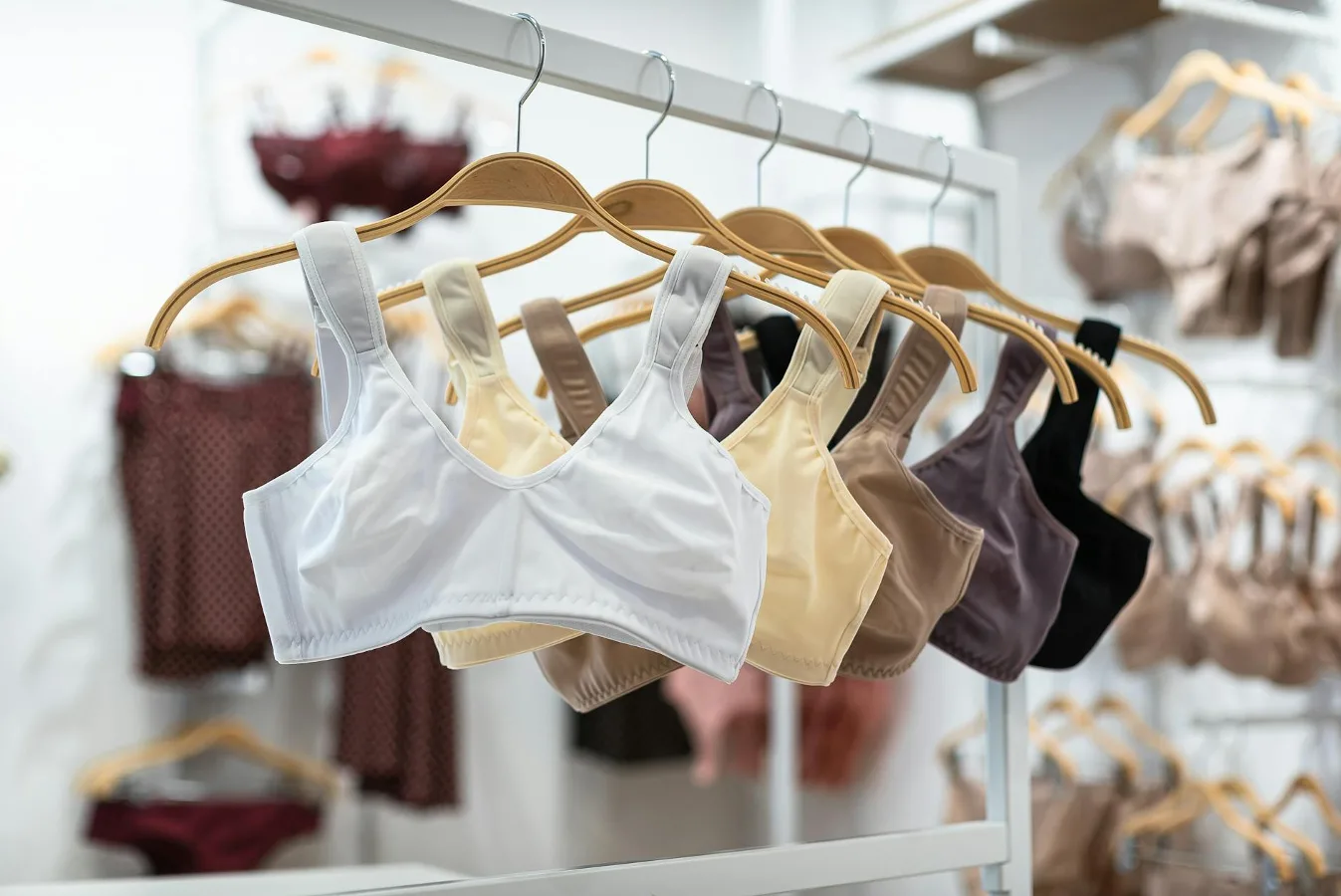
If you are researching Dreamy Sleep bra firm support product info and reviews, the key question is simple: does it offer enough support to feel secure without becoming uncomfortable for sleep or extended lounging? A firm-support sleep bra usually aims to bridge that gap. It should feel steadier than a soft bralette, but still gentler than a structured everyday bra. Comfort guide offers more detail on this point. Swisse Ultiboost Magnesium + Sleep Review Guide offers more detail on this point.
That balance matters because sleep bras are not judged the same way as daytime bras. For this type of product, the most relevant factors are support level, comfort, fabric feel, strap stability, band pressure, coverage, and ease of wear. Reviews can help, but only if you read them through the lens of your own needs. A bra praised for “firm support” may feel perfect for someone who wants light shaping and containment, while another shopper may find the same fit too snug for sleeping.
What “firm support” usually means in a sleep bra
In sleepwear, “firm support” does not usually mean rigid structure or heavy-duty shaping. More often, it refers to a bra that holds the bust in place more securely than a soft lounge bralette. That can come from a firmer underband, a more stable knit, wider straps, double-layer fabric, or a higher-coverage design.
The practical goal is comfort with less shifting. For some people, that means less movement during the night or a more supported feeling when wearing the bra around the house. For others, the same construction may feel restrictive if they prefer almost no pressure at all.
That is the first useful review filter: support is not automatically better. The right amount depends on how you plan to use the bra.
- For sleeping: prioritize gentle stability and minimal pressure.
- For lounging: choose a style that feels secure over several hours.
- For larger busts: look closely at underband and strap structure.
- For sensitive skin: focus on seams, tags, and fabric softness.
How to read product info without getting misled
Product descriptions often use words like “supportive,” “firm,” “cloud-soft,” or “all-day comfort,” but those terms are not standardized. A useful review process looks past the wording and checks the construction details that usually determine real comfort.
1. Band structure
The band is often the foundation of support. A wider, more stable band can help the bra stay in place, but if it is too tight, it may dig in or make sleeping harder. If the product info mentions a wide underband or reinforced band, that can signal more support, but it also raises the importance of fit. underband fit and support basics offers more detail on this point.
2. Strap design
Wide straps often distribute pressure better than thin straps. Adjustable straps can improve fit, but they do not always feel as smooth for sleep if hardware sits against the skin. Fixed straps may feel simpler and more comfortable for overnight wear, provided the fit is right.
3. Cup coverage and shape
Higher coverage can create a more secure feeling and reduce spillage, while lower coverage may feel lighter but less contained. For support-focused sleep bras, coverage is often more useful than decorative styling.
4. Fabric and recovery
Look for materials that feel soft but also return to shape after wear. A fabric that stretches too easily may feel comfortable at first, then lose support over time. If a listing mentions stretch, recovery, compression, or double layering, those details are worth paying attention to.
5. Closures versus pull-on construction
Some people prefer pull-on bras for sleep because they avoid hooks and hardware. Others need a closure for fit flexibility. There is no universal winner. The right choice depends on whether you value ease of dressing or a more customizable fit.
Where Dreamy Sleep bra reviews matter most
Reviews are most helpful when they describe the same things you care about. A five-star rating alone does not tell you much. Instead, look for comments about the details that affect comfort in real life.
- Fit consistency: Does it run snug, true to size, or loose?
- Band pressure: Does the band stay comfortable after several hours?
- Strap behavior: Do straps slip, dig, or stay put?
- Fabric feel: Is it soft, smooth, breathable, or prone to irritation?
- Support experience: Does it feel secure for the intended bust size?
- Sleep comfort: Can it be worn overnight without constant adjustment?
One overlooked detail in reviews is what the reviewer was using it for. A bra can be rated highly by someone who wanted a light lounge layer and rated poorly by someone expecting a true compression-style support bra. Those are different products in practice, even if the listing language sounds similar.
How to decide if firm support is actually what you need
Not everyone shopping for a sleep bra needs firm support. In some cases, a softer design will be more useful and more comfortable. The best choice depends on your body, your routine, and what problem you are trying to solve.
Firm support makes more sense if you want:
- more containment than a basic bralette
- less movement while sleeping or lounging
- a more stable feel for a fuller bust
- light shaping without a wired bra
- something that can double as a comfort bra during the day
A softer style may be better if you want:
- minimal pressure during sleep
- very easy pull-on comfort
- less band restriction
- a barely-there feel for sensitive skin
- the loosest possible fit for relaxed wear
A common misconception is that more support always equals better sleep comfort. That is not true. The best sleep bra is the one that supports enough without creating a pressure point, a hot spot, or a band you notice all night.
Practical checks before you buy
If you are comparing Dreamy Sleep bra firm support product info and reviews, use a simple checklist before making a decision. These are the details that tend to separate a comfortable purchase from a frustrating one.
- Check the sizing guidance carefully. If the product is sized by band and cup, use that. If it is sized S to XL, read the measurements closely and pay attention to reviewer feedback about fit.
- Look at the support architecture. A bra can say “firm support” without being structured in the ways that actually provide it. Look for features such as a wide band, double-layer construction, or broader straps.
- Consider the sleep use case. If you plan to sleep in it, softness and reduced hardware matter more than a polished shape.
- Check for irritation risks. Seams, labels, stitching, and closures can matter a lot for overnight wear.
- Read reviews for your body type and use case. Feedback from people with similar sizing needs is far more useful than generic praise.
Examples of how shoppers usually choose
Different shoppers need different definitions of comfort. These examples show how the same product category can serve different priorities.
If you want light shaping at night
Choose a firm-support sleep bra with a smooth fabric, moderate compression, and minimal hardware. The goal is enough hold to feel neat and secure without the feel of a traditional bra.
If you want support for a fuller bust
Focus on wider straps, a stable band, and enough coverage to reduce shifting. In this case, “firm support” is less about shaping and more about keeping the bra from feeling flimsy.
If you are sensitive to tightness
A firm-support style may still work, but only if the construction is supportive through design rather than pure compression. If reviews repeatedly mention a tight band, consider sizing carefully or looking for a softer alternative.
If you want a lounge bra that doubles for errands
You may prefer a firmer style with a cleaner silhouette and more reliable hold. This can be more versatile than a very soft sleep-only bra, though it may feel less relaxed for bed.
Common trade-offs to expect
With comfort bras, trade-offs are normal. A bra designed for more support usually gives up some softness or flexibility. A bra designed for maximum ease may not provide much containment.
The most common trade-offs are straightforward:
- More support can mean more pressure.
- More coverage can mean more warmth.
- More structure can mean less sleep-like softness.
- More stretch can mean less long-term stability.
- More hardware can mean more fit flexibility, but also more irritation risk.
That is why the best reviews are specific. They tell you what kind of trade-off the wearer accepted and whether it matched their needs.
Limitations to keep in mind
Even a well-made sleep bra will not feel identical on every body. Support levels vary because bust shape, band size, torso length, and personal pressure tolerance all affect fit. A style praised for “firm support” may feel supportive on one wearer and restrictive on another.
Another limitation is that comfort language can be vague. Words like “soft,” “supportive,” and “breathable” are useful, but they do not replace practical details. If a listing does not explain the construction clearly, reviews become even more important.
Finally, there is the reality of wear over time. A bra that feels great on day one may relax after repeated washing and wear. If long-term stability matters to you, look for comments that mention how the bra holds up after several uses, while remembering that any user report is still subjective.
Checklist for evaluating Dreamy Sleep bra firm support
Use this quick checklist while comparing product pages and reviews:
- Does the bra sound supportive enough for your intended use?
- Does the band seem stable without sounding overly tight?
- Are the straps wide enough to avoid digging?
- Is the fabric described as soft but resilient?
- Does the design avoid irritating hardware for sleep?
- Are review comments consistent about sizing?
- Does the support level match your bust size and comfort preferences?
- Would a softer bralette or a more structured lounge bra be a better fit?
If several of those answers are unclear, that is usually a sign to slow down and compare alternatives rather than choosing based on the product name alone.
Better alternatives if firm support is not the right fit
Sometimes the best outcome is choosing a different style entirely. If you want comfort first, a softer bralette may be enough. If you need more containment, a supportive lounge bra or a wireless full-coverage bra may serve you better. For some shoppers, a front-close comfort bra is easier to manage than a pull-on sleep style. For others, a seamless wireless bra offers a smoother feel under clothing while still being gentle enough for relaxed wear.
That is the practical value of comparing categories instead of relying on one phrase like “firm support.” It helps you choose a bra that matches your actual routine, not just the headline description.
If you are narrowing down Dreamy Sleep bra firm support product info and reviews, focus on the details that shape everyday comfort: band pressure, strap stability, fabric feel, coverage, and the kind of support you genuinely need. A good sleep bra should feel dependable, not distracting. The best choice is usually the one that balances gentle hold with enough softness that you forget you are wearing it.