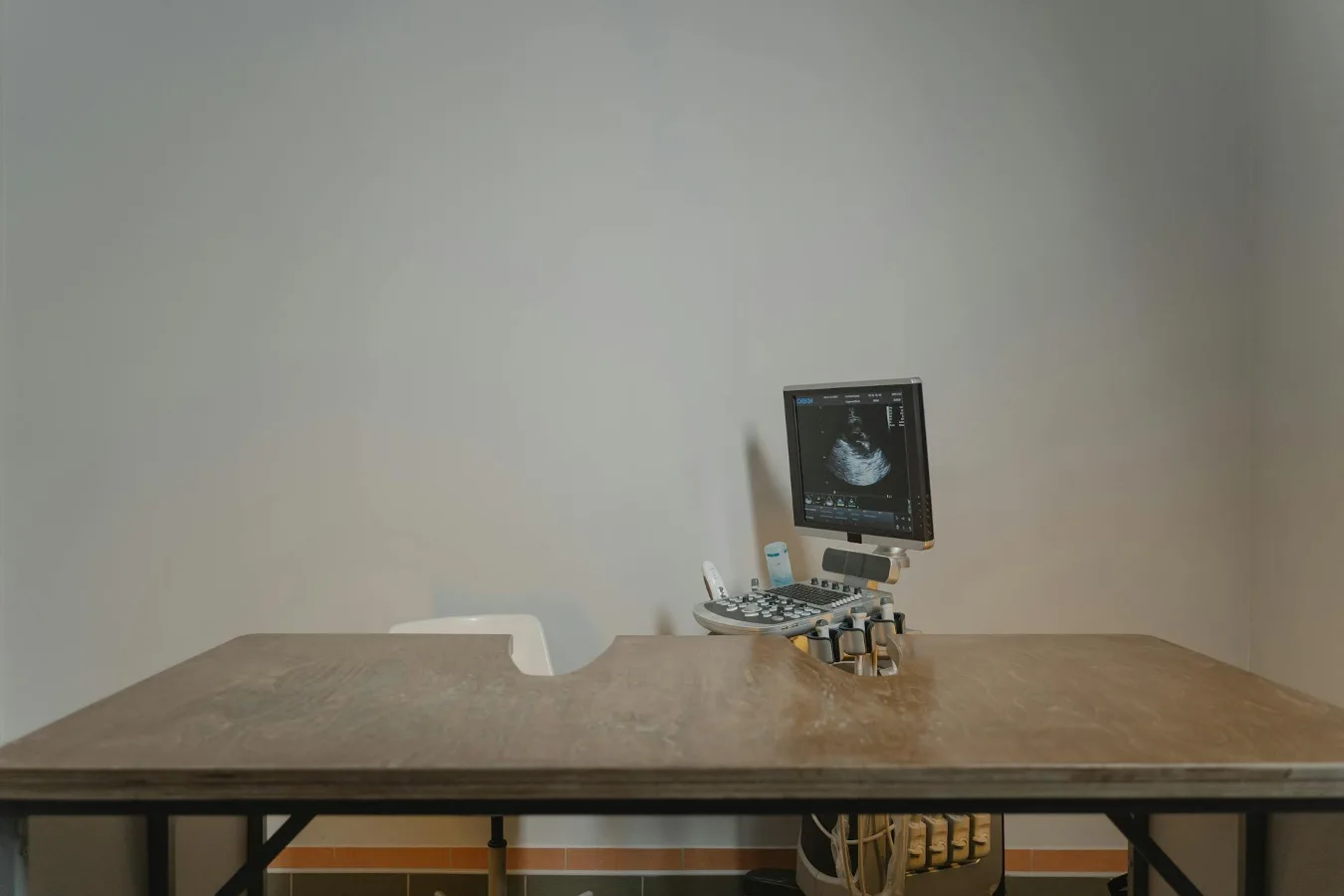
An ergonomic ultrasound chair is designed to make imaging appointments easier for both the patient and the clinician. In practical terms, that usually means a chair that supports stable positioning, allows adequate access for the ultrasound probe, and is comfortable enough for a patient to remain still without unnecessary strain. ergonomic drafting chair tips offers more detail on this point. ergonomic sonography chair offers more detail on this point.
If you are evaluating one for a clinic, outpatient office, or specialty room, the right chair is not just about padding. It is about adjustability, access, hygiene, durability, and workflow. A chair that looks comfortable but limits probe placement or slows room turnover can create more problems than it solves.
Who an ergonomic ultrasound chair is for
The best chair choice depends on the kind of imaging you perform and the patients you serve. A chair that works well in a vascular lab may not be the best fit for OB/GYN, cardiology, pain management, or general diagnostic use.
These chairs are most useful when the exam requires a seated or semi-seated position, or when patient mobility makes a standard table less practical. They can also help in compact rooms where standing access around a full exam table is limited. For patients who have difficulty lying flat, sitting comfortably and securely can improve cooperation and reduce repositioning during the exam.
Common use cases
- Ultrasound exams that require repeated access to the upper body, neck, extremities, or seated positioning
- Facilities that need flexible seating for patients with mobility limitations
- Rooms where staff need clear access to the patient from multiple sides
- Clinics trying to improve comfort without sacrificing hygiene or workflow
The real benefit: comfort that supports the exam
Comfort matters because discomfort affects stillness, and stillness affects imaging quality. A patient who is sliding, leaning, or tensing shoulders may be harder to position accurately. Ergonomic design helps reduce those small adjustments that interrupt the scan.
That does not mean the softest chair is automatically the best. Ultrasound work often requires a balance between cushioning and stability. Too much softness can make posture less predictable, while too little support can lead to fatigue or pressure points. The goal is a chair that feels accommodating but still holds the body in a dependable position.
Another overlooked benefit is workflow consistency. When the chair height, back support, and arm placement are predictable, staff spend less time improvising setup for each patient. That can matter in busy rooms where turnover and room readiness are recurring concerns.
Trade-offs worth thinking through
Many buyers focus on comfort first, then discover that access and cleaning are harder than expected. The chair should help the exam, not get in the way of it. That is the main trade-off in this category: the more support and enclosure a chair offers, the more carefully you need to check how it affects operator access.
For example, generous side bolsters or wide arm supports may improve patient comfort, but they can interfere with probe movement or limit how close the clinician can get to the site being scanned. Likewise, a chair with heavy upholstery seams may look polished, but seams can complicate cleaning and maintenance in active clinical spaces.
There is also a space trade-off. More adjustable chairs often take up more floor area, need a broader turning radius, or require more attention to patient transfer. In a tight room, a simpler chair may be more practical than a feature-rich model that crowds essential equipment.
Material and specification factors that matter most
For this kind of equipment, material choices are not cosmetic. They affect durability, cleaning routines, comfort, and long-term value. The best setup usually depends on how often the chair is used and how demanding the environment is.
Upholstery and cleanability
Medical seating should be easy to wipe down and suited to routine disinfection. Smooth, nonporous surfaces are generally easier to maintain than textured or heavily stitched materials. Seams, piping, and deep creases can trap debris and make cleaning slower.
If your facility sees a high patient volume, this becomes a major decision factor. A chair that is comfortable but fussy to clean can create bottlenecks between appointments. For some settings, the priority is not just appearance but how quickly the surface can be reset between patients. how to set up a comfortable exam room offers more detail on this point.
Frame stability and base design
A stable frame helps patients feel secure, especially during transfers or position changes. This is especially relevant for older adults, patients with balance concerns, or anyone who needs to shift posture during the exam. The base should support the expected use without wobble or excessive movement.
Locking features, glides, or mobility options may be useful depending on the room layout. The right choice depends on whether the chair needs to stay fixed in place or be moved occasionally for cleaning and room reconfiguration.
Adjustability
Adjustability is one of the most important ergonomic features, but it should be judged in context. Height adjustment can improve access and patient transfers. Recline or tilt can help align the body for certain exams. Arm support may reduce strain and improve stability.
Still, more adjustment is not always better if the controls are awkward or slow to use. In a clinical setting, a chair should be intuitive enough that staff can make routine changes without slowing patient flow. Complex mechanisms can add maintenance needs and training requirements.
Support surfaces
Support should match the patient population and the type of exam. Some patients benefit from firmer support that helps them remain upright and centered. Others need more cushioning to reduce discomfort during longer appointments. Consider pressure distribution, back support, and the way the seat encourages posture over time.
A common misconception is that ergonomic seating always means highly contoured seating. In medical use, contouring can help, but it can also make repositioning harder. Neutral, adaptable support is often more useful than deeply sculpted shapes.
What to ask before buying
Before selecting an ergonomic ultrasound chair, narrow the decision around the actual room and patient workflow. A chair that works well on paper may not fit the way your team conducts exams.
- How will the patient enter and exit the chair? Transfers should be simple and safe, especially if mobility is limited.
- Does the chair allow clear probe access? The operator needs enough room to work without constant repositioning.
- How easy is it to clean? Look closely at upholstery, seams, arm attachments, and hard-to-reach edges.
- Will it fit the room? Consider floor space, equipment clearance, and movement around the chair.
- Does it suit multiple body types? A chair should be broadly usable without forcing uncomfortable adjustments.
- How much maintenance does it require? Mechanical complexity can affect downtime and service needs.
These questions are more useful than chasing a long list of features. The best chair is the one that supports your most common exam scenarios without creating new friction.
Common mistakes buyers make
One frequent mistake is choosing a chair based on patient comfort alone. Comfort matters, but ultrasound chairs live in a working environment where access and cleanability are equally important. Another mistake is overlooking the transfer process. If patients have to twist, step awkwardly, or brace themselves too much, the chair becomes harder to use safely.
People also underestimate how often small design details matter. Armrests that cannot get out of the way, upholstery that is hard to disinfect, or a backrest that blocks the imaging angle can all become daily frustrations. These are the details that separate a decent chair from one that genuinely supports clinical work.
A final mistake is failing to think about room mix. A chair chosen for one exam type may not suit the rest of the space. If the room is used for several kinds of imaging or procedures, flexibility should weigh heavily in the decision.
Alternatives if a dedicated ultrasound chair is not the best fit
Not every room needs a dedicated ultrasound chair. In some clinics, a well-chosen adjustable exam chair, procedure chair, or supportive medical recliner may be more practical. The best alternative depends on how often seated scans are performed and how much versatility the room needs.
A standard exam chair may work if you need a compact, easy-to-clean solution for occasional seated imaging. A more specialized recliner may be better if patient comfort and posture changes are frequent. In high-volume environments, modular seating can sometimes provide more flexibility than a single-purpose chair.
The key is to match the furniture to the workflow rather than forcing the workflow around the furniture. That is especially important in smaller practices where one room may need to handle several patient types throughout the day.
How to decide on the right model for your space
Once you understand the trade-offs, the decision becomes more manageable. Start with the exam type, then consider patient mobility, room size, cleaning routines, and how often staff need to reposition the chair.
If you serve a broad patient mix, prioritize a balance of stability, easy cleaning, and simple adjustments. If your exams depend heavily on a specific posture, focus more on positioning and operator access. If the room is tight, space efficiency may matter more than extra features.
It can help to think in this order:
- First: confirm the chair fits the exam workflow
- Second: check transfer safety and patient comfort
- Third: review cleaning and maintenance needs
- Fourth: evaluate durability and long-term use
- Fifth: consider whether the chair can handle future room changes
Practical next steps before purchase
Before you buy, map the chair to your actual room conditions. Measure the available space, note where the ultrasound machine sits, and identify the directions from which staff need access. That simple layout check can prevent expensive mismatches.
Then compare the chair against the needs of your patient population. If you regularly serve patients with mobility challenges, stable transfers and arm support may matter more than extra reclining range. If quick turnover is central to the room, ease of cleaning and straightforward adjustment should take priority.
Finally, review maintenance expectations with the same seriousness you would give comfort. In clinical environments, a chair that is easy to use but difficult to maintain may create hidden costs over time. The most useful ergonomic ultrasound chair is the one that supports patients, staff, and workflow at the same time.