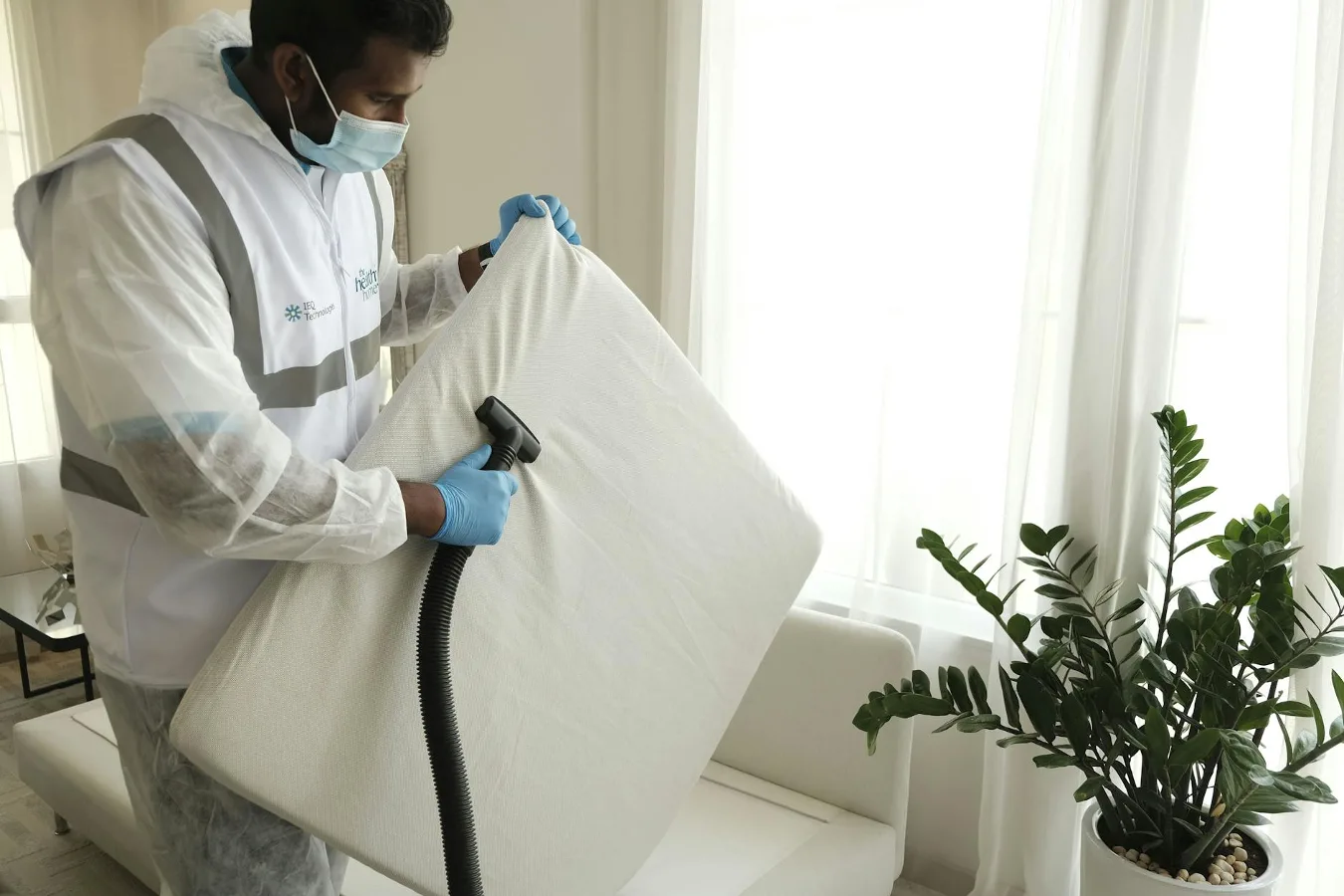
A mattress cleaning service is worth considering when a bed has visible stains, lingering odors, signs of dust buildup, or simply needs a more thorough refresh than home cleaning can comfortably provide. The right service can help clean the surface, address odor and soil trapped in the top layers, and make a mattress feel better suited for everyday sleep. choosing the right mattress care service offers more detail on this point.
The challenge is that mattress cleaning is not one-size-fits-all. The best method depends on the mattress construction, the type of stain, how much moisture the bed can tolerate, and how soon it needs to be used again. For many households, the smartest choice is not the most aggressive cleaning method, but the one that matches the mattress and the problem. king size metal bed frame offers more detail on this point.
Why mattress cleaning becomes necessary
Mattresses collect more than people expect. Over time, they can hold onto body oils, sweat, dust, skin cells, pet dander, food residue, and accidental spills. Even with regular sheet washing and vacuuming, the sleeping surface can slowly develop odors or discoloration that are difficult to manage with basic spot cleaning.
A mattress cleaning service is especially useful after:
- food or drink spills
- pet accidents
- sweat or odor buildup
- general yellowing or surface soil
- moving into a new home and wanting a reset
- trying to improve the feel of an older mattress
One common misconception is that a mattress only needs cleaning when a stain is visible. In practice, many beds need attention before they look dirty. Odor, allergens, and accumulated grime often become noticeable before a mattress appears stained.
What a mattress cleaning service usually addresses
Most mattress cleaning services focus on the outer layers of the mattress, where the majority of buildup occurs. Depending on the provider and the mattress material, the work may include vacuuming, stain treatment, deodorizing, sanitizing, or low-moisture extraction.
That said, there are limits. A cleaning service can improve the appearance and freshness of a mattress, but it cannot always reverse permanent staining, deep-set odors, or structural wear. Sagging, broken support, and body impressions are not cleaning problems; they are mattress condition issues.
Common cleaning goals
- lifting surface dirt and dust
- reducing odors from sweat, pets, or spills
- improving the look of light staining
- supporting a more hygienic sleep surface
- refreshing a mattress before guests arrive or after a move
Key factors that affect results
Choosing a mattress cleaning service is less about finding the flashiest offer and more about matching the method to the mattress. The following factors have the greatest influence on whether the cleaning will be worthwhile.
Mattress material
Different mattress types respond differently to moisture and cleaning agents. Memory foam, latex, innerspring, hybrid, and pillow-top constructions each have their own quirks. A low-moisture approach may be more appropriate for foam mattresses, while some durable constructions can tolerate more involved surface cleaning. The wrong method can leave excess moisture, distort materials, or prolong drying. Spring Air Mattress Buying Guide offers more detail on this point.
Type of stain or odor
Fresh spills and light soil are usually easier to manage than old, set-in stains. Pet accidents, urine odors, and organic spills can be more difficult because they may penetrate beyond the outer fabric. A service can often improve these issues, but expectations should remain realistic if the stain has been in place for a long time.
Drying time
Drying time is a practical issue that is often overlooked until the mattress is out of use. If a service uses too much moisture, the bed may take longer to dry and can be inconvenient to sleep on the same day. For households with only one bed, that may matter more than whether the service offers the most intensive treatment.
Access and room layout
Bedroom setup affects what can be done on site. Tight spaces, heavy bed frames, built-in storage, and limited ventilation can make cleaning slower or less effective. A good service should account for the room itself, not just the mattress surface.
Household needs
Families with allergies, pet owners, and renters often have different priorities. Someone dealing with odor may care more about deodorizing than cosmetic stain removal. Someone with sensitivities may prefer low-residue products and minimal scent. The right service should align with the household’s priorities, not just the most generic cleaning package.
Which cleaning methods make sense
Mattress cleaning services commonly use one or a combination of the methods below. The method matters because it affects moisture level, drying time, and how much of the stain or odor can realistically be addressed.
| Method | Best for | Trade-offs |
|---|---|---|
| Vacuuming and surface cleaning | Dust, loose debris, general refresh | Limited effect on odors and deep stains |
| Spot treatment | Fresh spills and isolated marks | May not help with older, broader discoloration |
| Low-moisture extraction | Moderate soil with faster drying | May not fully remove stubborn staining |
| Steam or hot-water based cleaning | Some sanitation and deeper soil removal | More moisture, longer drying, not ideal for every mattress |
| Deodorizing treatment | Odor reduction from general use or spills | Does not fix permanent damage or all odor sources |
The better approach is usually the least aggressive method that still addresses the problem. That balance matters because mattresses are not rugs or upholstery; they are layered sleep systems that can be damaged by over-wetting.
When professional cleaning is a better choice than DIY
Basic at-home care is useful for maintenance, but there are times when a professional mattress cleaning service makes more sense. DIY methods are often enough for minor surface issues, while professional help becomes more practical when the problem is larger, older, or more sensitive.
Professional service is usually the stronger option when:
- the stain is old or widespread
- the mattress smells stale despite airing out
- there has been a pet accident or bodily fluid spill
- the mattress is too large or heavy to handle easily
- the material requires a cautious approach
- you want faster, more even results than spot treatment can provide
DIY cleaning can still be appropriate for tiny spills if handled immediately and carefully. The risk is that home remedies can push moisture deeper into the mattress or leave behind residue that attracts more soil later. That is one reason a professional mattress cleaning service can sometimes be more economical in the long run, even if it costs more upfront.
How to judge a cleaning service before booking
Commercial intent often comes down to trust. If you are comparing mattress cleaning providers, focus on the questions that reveal how they work and whether their process fits your bed.
Ask about the cleaning process
A reputable provider should be able to explain what method they use, how they handle moisture, and what kinds of stains they can and cannot address. A clear explanation matters more than broad promises.
Ask what mattress types they handle
Not every service is equally suited to every mattress construction. If you have memory foam, latex, a pillow-top, or a specialty hybrid, make sure the provider knows how that material should be treated.
Ask about drying expectations
Drying time affects convenience and comfort. A service should give a realistic range and explain what to expect if the room has limited airflow or if the mattress has deeper moisture retention.
Ask what is included
Some services focus on stain treatment and deodorizing, while others include sanitizing steps or protective recommendations. The important part is understanding what is and is not part of the service so the results match the expectation.
Ask about limitations
A good provider will be upfront about what cleaning can accomplish. If a company claims it can erase every stain or fully restore an aged mattress, that is worth treating cautiously. Honest limitations are usually a sign of professionalism.
Practical ways to get better results
There are a few simple steps that improve the odds of a better cleaning outcome, whether you are booking a service for the first time or trying to maintain a mattress after it has been cleaned.
- remove sheets, protectors, and bedding before the appointment
- vacuum around the bed and clear access to the mattress
- point out stains, odor sources, and any areas of concern
- allow room for airflow so the mattress can dry efficiently
- wait until the mattress is fully dry before remaking the bed
One overlooked consideration is airflow. Even a good cleaning can feel disappointing if the room is closed off and the mattress cannot dry properly. Proper ventilation often makes the difference between a fresh result and a lingering damp feel.
Limitations to keep in mind
A mattress cleaning service can improve cleanliness, odor, and appearance, but it is not a replacement for a mattress that is structurally worn out. If a bed has deep sagging, visible deterioration, or no longer supports sleep comfortably, cleaning may only buy time. It can refresh the surface, not rebuild the mattress.
There is also a difference between cleaning and protection. Once a mattress has been cleaned, it still needs a sensible care routine: a quality mattress protector, regular sheet washing, and periodic vacuuming can help extend the results. Without that follow-up, stains and odors tend to return more quickly.
Alternatives worth considering
Not every mattress issue calls for a full service visit. Depending on the situation, a different approach may be more practical.
- Spot treatment at home: useful for fresh, localized spills
- Mattress topper replacement: helpful if the top layer holds odor or looks worn
- Mattress protector upgrade: prevents future spills and simplifies maintenance
- Professional upholstery cleaning: may help if the concern includes the bed frame or upholstered headboard
- Mattress replacement: the better choice if wear, odor, or age have gone too far
The most practical decision is often to separate cosmetic issues from structural ones. If the mattress is fundamentally comfortable but dirty, a service can make sense. If the mattress is uncomfortable, cleaning is unlikely to solve the real problem.
How to choose the right option for your bedroom
The best mattress cleaning service is the one that fits your mattress, your timeline, and the problem you are trying to solve. If you need a quick refresh for general upkeep, a lighter treatment may be enough. If you are dealing with pet accidents, strong odors, or an older stain, a more specialized provider may be worth the extra attention.
A simple decision rule helps: choose the gentlest method that still addresses the issue, and be wary of any service that promises more than cleaning can realistically do. That approach protects the mattress, reduces disappointment, and keeps the focus on the real goal: a cleaner, fresher sleep surface that supports better rest.