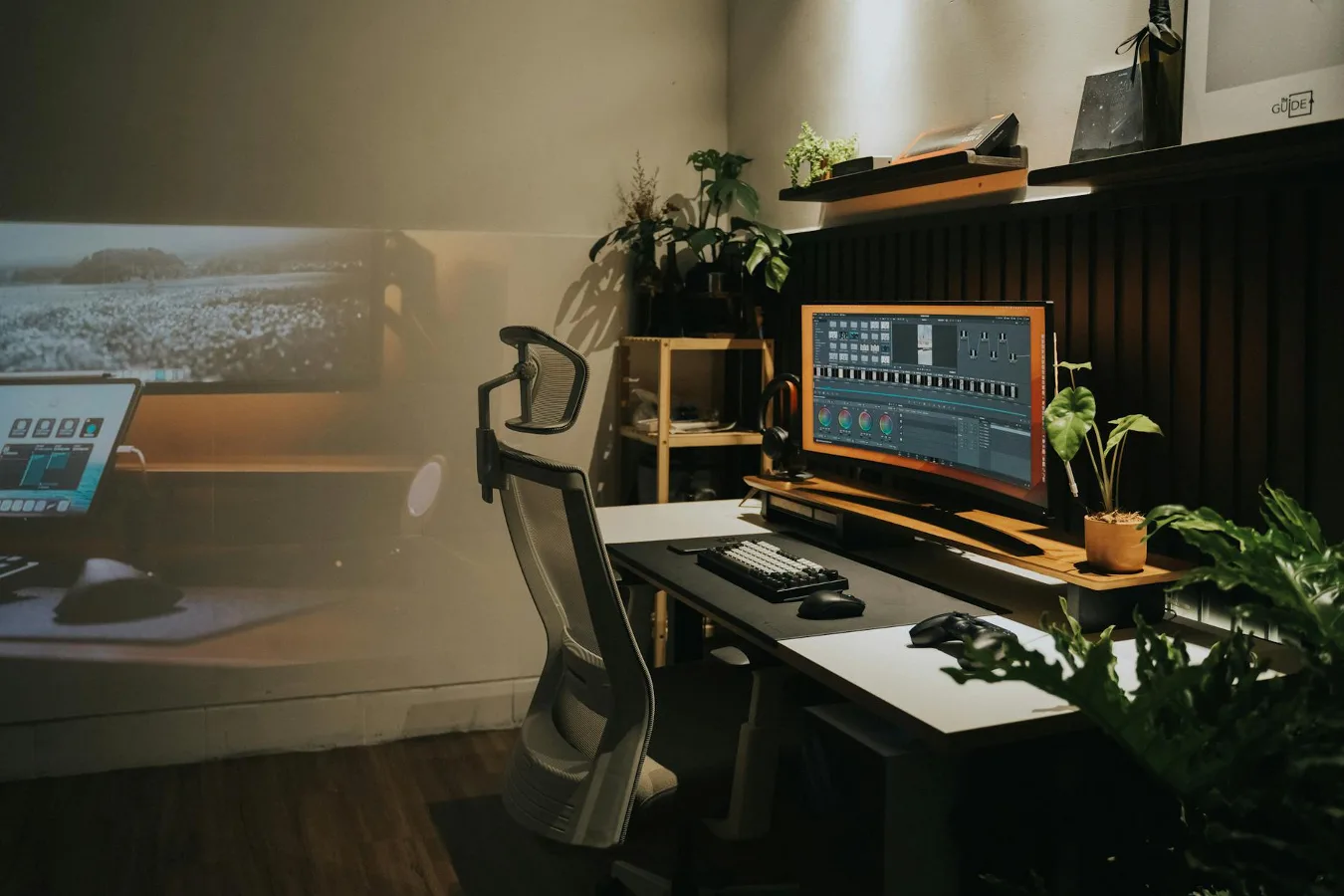
The Hbada E3 Air ergonomic office chair is the kind of chair many people look at when they want a more supportive desk setup without moving into fully premium office furniture. If you are trying to decide whether it fits your workspace, the real question is not simply whether it is “ergonomic,” but whether its adjustment range, seat feel, and back support match how you actually sit during the day. ergonomic chair buying checklist offers more detail on this point. Hbada E3 Pro Ergonomic Office Chair Guide offers more detail on this point.
This guide focuses on the practical side of that decision: who an office chair like this tends to suit, which comfort details matter most, and what trade-offs are worth thinking about before you buy.
What people usually want from the Hbada E3 Air
Searches for the Hbada E3 Air ergonomic office chair usually come from a fairly specific need: a chair that feels more breathable and supportive than a basic task chair, but still works in a home office or shared workspace. For most buyers, comfort depends on a few core questions:
- Does the chair support the lower back in a way that feels natural?
- Can it be adjusted enough to suit your height and desk setup?
- Will the seat feel comfortable during long work sessions?
- Is the mesh-style construction a benefit or a drawback for your body and climate?
That last point is often overlooked. A chair can look ergonomic on paper and still feel wrong if the seat shape, back contour, or armrest positions do not match your body. Fit matters as much as feature count.
The comfort factors that matter most
Back support is only useful if it lines up properly
With any ergonomic chair, lumbar support is one of the main reasons people upgrade. The important nuance is that support should meet your lower back where you actually need it. If it sits too high or too low, it may feel intrusive rather than helpful.
When evaluating the Hbada E3 Air, think less about the word “lumbar” and more about whether the backrest shape encourages an upright sitting position without forcing you forward. Good support should reduce slouching, but it should not make it hard to shift positions.
Seat feel can change the whole experience
Some people focus almost entirely on the backrest and ignore the seat. That is a mistake. Seat comfort affects pressure on the thighs, how easily you can stay seated, and whether you feel restless after a few hours. The right seat should feel supportive without creating hot spots at the edges.
If you have used office chairs that felt too firm, too shallow, or too narrow, pay close attention to seat shape and depth before deciding on this model. A chair can have a good-looking design and still be a poor fit if the seat does not suit your frame.
Breathability is useful, but not universal
Mesh-backed ergonomic chairs are popular for a reason: they can feel cooler than padded alternatives, especially in warm rooms or for people who sit for long stretches. That said, mesh is not automatically more comfortable for everyone. Some users prefer the softer feel of foam and upholstery, particularly if they want a chair that feels cushioned rather than structured.
If you tend to run warm while working, the airier feel of the Hbada E3 Air may be a meaningful advantage. If you prefer a more cushioned sitting surface, you may want to compare it with upholstered ergonomic chairs before making a final call.
Armrests affect shoulder and wrist comfort more than many buyers expect
Armrests are often treated as a minor detail, but they can have a big impact on desk comfort. If they are too high, they can lift your shoulders. If they are too low, they may do little to reduce upper-body strain. The best armrests support relaxed shoulders while still letting you get close enough to the desk to type comfortably.
This is one of the most common mistakes shoppers make: choosing a chair based on back support alone and realizing later that the armrest position does not work with their desk height.
Who is most likely to benefit from this type of chair
The Hbada E3 Air ergonomic office chair is most worth considering if you want a chair for:
- remote work or hybrid work setups
- computer use that lasts several hours a day
- a home office where breathability matters
- a cleaner, more modern-looking workspace
- general desk work rather than high-intensity gaming or full-time executive seating
It may also make sense if you are moving up from a basic desk chair and want more structured support without overcomplicating the purchase. For many people, the sweet spot is a chair that reduces discomfort and supports better posture habits, not one that promises perfect ergonomics in every position.
Where buyers should be careful
Ergonomic does not mean universally comfortable
A common misconception is that an ergonomic office chair will automatically feel good for everyone. In reality, ergonomics is about fit and adjustability. A chair may be well designed and still fail to suit your body proportions, desk height, or sitting habits.
Before buying, compare the chair’s adjustment range with your setup. If you sit with a laptop on a low desk, or if your workspace has limited clearance, even a good chair may feel awkward if it cannot be positioned correctly.
Mesh chairs can feel supportive, but not plush
Some shoppers expect an ergonomic mesh chair to feel soft in the way a cushioned seat does. That is usually the wrong expectation. Mesh often prioritizes support, airflow, and structure over sink-in softness. If you want a chair that feels like a padded lounge seat, this style may not be the best match.
That is not a weakness if you understand the trade-off. For many desk users, a chair that stays cooler and encourages a more stable sitting posture is more useful than one that feels softer at first touch.
Long-term comfort depends on your habits too
No chair can fully compensate for a poor desk setup, monitor height, or long static sitting. If your screen sits too low, your shoulders may still round forward. If your feet do not rest comfortably on the floor, lower-body strain can build even in a decent chair.
That is why chair choice should be part of a broader comfort setup, not a standalone fix.
How to decide if the Hbada E3 Air is a good fit
A practical way to judge any chair like this is to work through a simple checklist:
- Start with your body size and proportions. If you are tall, shorter, broad-shouldered, or have specific lower-back needs, make sure the chair’s dimensions and adjustment options seem plausible for you.
- Match the chair to your work pattern. If you sit for long writing or coding sessions, support and breathability may matter more than casual appearance.
- Check your desk height. A great chair can still feel wrong if the armrests or seat height do not work with your desk.
- Think about your climate and room temperature. Mesh construction makes more sense in warm rooms or during long workdays that generate heat.
- Decide what you value more: softness or structure. This single preference often determines whether a mesh ergonomic chair feels right or disappointing.
If most of your answers point toward support, airflow, and adjustability, the Hbada E3 Air is in the right category for your needs. If you want a deeply padded feel or a more lounge-like sitting experience, you may be better served by another style of chair.
Practical alternatives to consider
The best alternative depends on what you are trying to fix.
- Padded ergonomic office chair: Better if you prefer a softer seat or want a warmer, more cushioned feel.
- Task chair with simpler adjustments: Works for lighter use or smaller spaces, but may offer less support for long sessions.
- Executive-style chair: Can feel more substantial and padded, though sometimes at the expense of breathability.
- Kneeling or active seating options: Useful for short periods or posture variation, but not usually the best all-day solution.
The right alternative is not necessarily the one with the most features. It is the one that solves your actual comfort problem with the fewest compromises.
Common mistakes when shopping for an ergonomic chair
- Buying based on appearance alone. A clean design does not guarantee comfort.
- Ignoring desk and monitor setup. Chair fit and workspace fit go together.
- Assuming all mesh chairs feel the same. Mesh tension, seat shape, and frame design can differ a lot.
- Overlooking armrest height and positioning. This affects typing posture and shoulder relaxation.
- Expecting one chair to solve every pain point. Discomfort often comes from the whole setup, not just the chair.
Who should look more closely at other options
You may want to keep comparing if any of these describe you:
- you strongly prefer plush padding over structured support
- you need a chair for very long uninterrupted sessions and want to compare several high-support models
- you have a narrow workspace and need exact measurements before buying
- you sit in multiple positions and want a chair with a more relaxed recline feel
- you are sensitive to seat firmness and do not enjoy mesh seating
That does not mean the Hbada E3 Air is a poor choice. It simply means comfort is personal, and the best chair for one user may be the wrong one for another.
Frequently asked questions
Is the Hbada E3 Air good for working from home?
It can be a strong option for home office use if you want an ergonomic, breathable chair with a more structured feel. The key is whether its adjustments and seat shape fit your desk and body size.
Is a mesh office chair more comfortable than a padded one?
Not always. Mesh often feels cooler and more supportive, while padded chairs usually feel softer. The better choice depends on whether you prefer airflow and structure or cushioning and softness.
What should I check before buying an ergonomic office chair?
Focus on seat depth, back support, armrest adjustability, desk height compatibility, and whether the chair matches how long you sit each day.
Can one chair fix poor posture?
No. A chair can support better sitting habits, but monitor height, desk setup, breaks, and movement matter too.
Who is this chair style best for?
It is usually best for people who spend meaningful time at a desk and want a breathable chair with more support than a basic task chair.
Final take
The Hbada E3 Air ergonomic office chair is worth considering if you want a comfort-focused desk chair that leans toward support, breathability, and everyday usability. Its value depends less on the name and more on whether its seating feel, adjustment range, and armrest setup suit your body and work habits.
If you are comparing office chairs for a home workspace, treat this model as part of a larger comfort decision. The best choice is the one that works with your desk, your posture habits, and the way you actually spend your workday. best office chair features for long hours offers more detail on this point.